China's Largest Mini Excavator Manufacturer: What Global Buyers Should Check
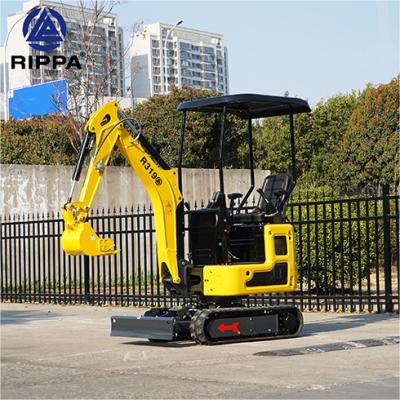
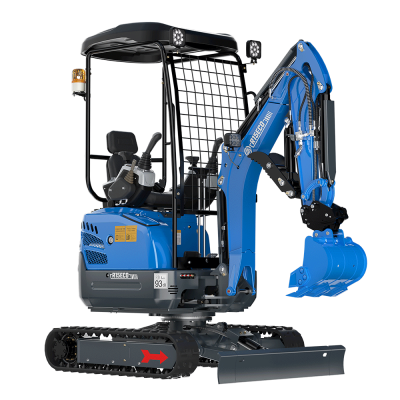
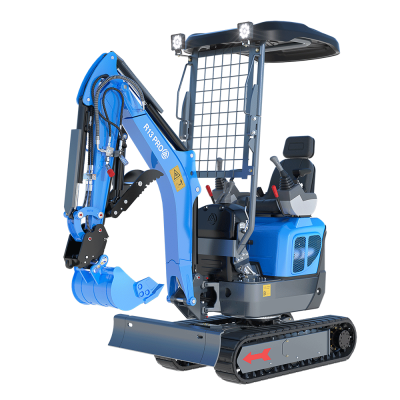
Finding a large mini excavator manufacturer in China can be a useful starting point for equipment importers, dealers, and distributors. However, company size alone does not determine whether a supplier is the right fit for a particular market.
Buyers should assess manufacturing capacity, quality-control systems, export experience, product suitability, and long-term support before choosing a factory.
What Does a Large Mini Excavator Manufacturer Offer?
A manufacturer with established production operations may be better positioned to coordinate repeat orders, maintain organized production processes, and serve customers across different markets. These capabilities must still be verified for each individual supplier.
Manufacturing Capacity
Ask how production is organized and how the factory schedules orders. If your business depends on regular replenishment, discuss expected lead times, seasonal demand, and how production delays are communicated.
Quality Management
Request details about incoming-material inspections, assembly checks, final testing, and shipment inspections. Relevant certifications and test reports should be verified for their validity and scope.
Product Range
A broader product range may help distributors serve different customer groups. However, buyers should confirm which machines are manufactured directly and which products, if any, are sourced from other suppliers.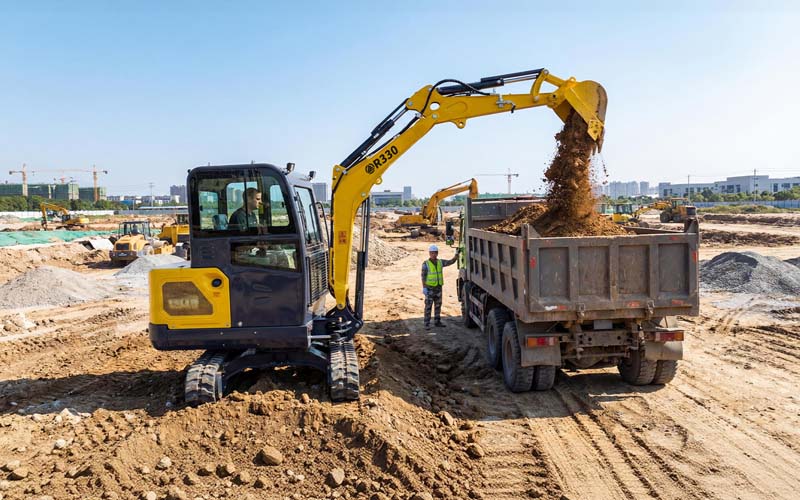
How to Evaluate Claims About China's Largest Manufacturer
The phrase “China's largest manufacturer” is a comparative claim, not simply a description of company size. To evaluate it, buyers should ask what measurement supports the statement.
Possible measures include annual production volume, factory area, revenue, installed production capacity, or market share. Each measure can produce a different ranking.
Look for independent industry research, verifiable company disclosures, and clearly defined comparison periods. Do not assume that a large facility, a substantial workforce, or a broad product catalogue independently proves national leadership.
For businesses using this phrase in marketing, the supporting evidence should match the exact claim and remain current.
What Global Distributors Need From a Factory
International distributors need more than manufacturing capacity. They also need practical export arrangements and a supplier that understands overseas customer requirements.
Evaluate the following areas:
Export documentation: Confirm which documents the factory can provide for your destination.
Parts availability: Discuss ordering procedures, delivery options, and parts identification.
Technical communication: Establish how product questions and service requests are handled.
Order planning: Confirm production schedules and communication procedures for delays.
Dealer cooperation: Clarify territory policies, brand representation, and marketing responsibilities.
The importance of each factor will vary by market and business model.
Is a Large Factory Always the Best Choice?
Not necessarily. A large manufacturer may offer broad production capabilities, but a smaller specialist supplier may better match a buyer's order size or product requirements.
The best choice depends on the distributor's target market, expected volume, required configuration, service expectations, and available budget.
A structured comparison of several qualified manufacturers is more useful than selecting a supplier based only on a superlative in its advertising.
Conclusion
Global buyers should look beyond the label of China's largest mini excavator manufacturer and examine the evidence behind a company's production capacity, quality systems, and export capabilities.
A supplier that matches your market requirements, communicates clearly, and supports repeat orders can provide a stronger foundation for long-term distribution than a company selected solely for its size.