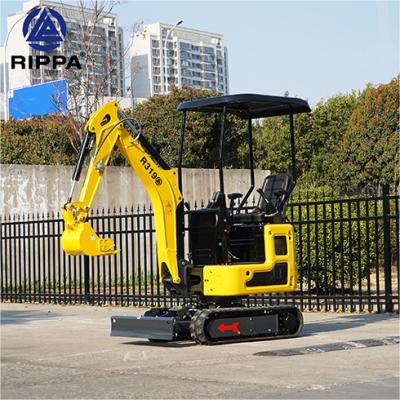
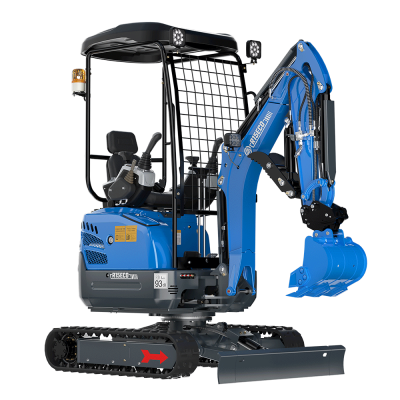
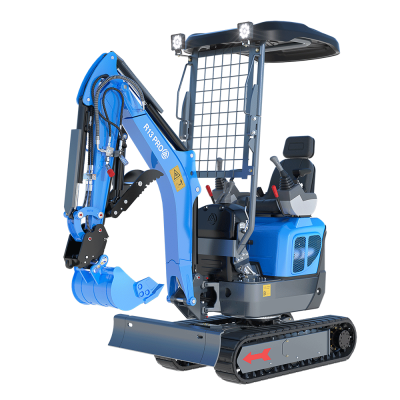
Chinese Mini Excavator Manufacturers: How to Evaluate Factory Capabilities
When sourcing from Chinese mini excavator manufacturers, importers and dealers should look beyond factory photographs and advertised production capacity. A reliable sourcing decision depends on verifiable manufacturing information, consistent product quality, clear commercial terms, and the ability to support customers after delivery.
Evaluating these areas before ordering helps buyers distinguish between suppliers that meet their requirements and those that require further verification.
Confirm Who Actually Manufactures the Equipment
Start by checking the company's role in the supply chain.
Ask whether the supplier manufactures the machines itself, contracts production to another factory, or sources equipment from third parties. None of these arrangements should be assessed by name alone; the important point is whether the supplier's role is transparent and appropriate for your purchasing needs.
Request company registration details, factory information, product documentation, and a clear explanation of who is responsible for production and quality.
Review the Production Process
Factory capability is not measured by building size alone.
Ask how incoming components are checked, how assembly is managed, and what inspections take place before shipment. If possible, arrange a factory visit or live video tour that shows relevant production and inspection areas.
Buyers should also confirm whether the supplier can reproduce the agreed configuration across repeat orders. This is particularly important for dealers selling machines under a consistent product range.
Examine Quality Control and Documentation
Before placing an order, establish how the supplier documents product configuration and inspection results.
Request the applicable technical documents, identification information, inspection records, and certificates relevant to the exact machine and destination market.
Verify certificates with the issuing organization when necessary. Do not assume that a certificate covering one product or factory automatically applies to every model or configuration.
A written quality agreement should define the inspection process, acceptance criteria, and how discrepancies will be handled.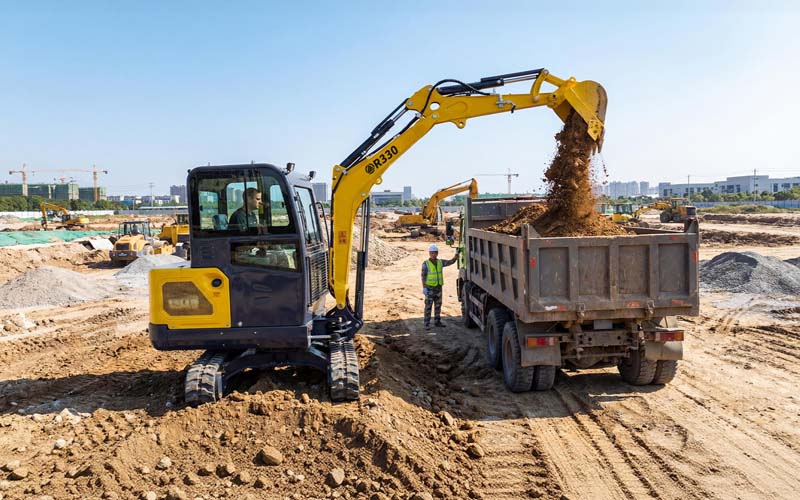
Assess Export Experience
International equipment supply involves coordination among the manufacturer, logistics providers, customs brokers, and the buyer.
Ask about previous export experience in your target market and confirm who prepares the required shipping and product documents. Requirements vary by destination, so buyers should independently verify local import and compliance rules.
A supplier should be able to explain the proposed shipping arrangement and the responsibilities assigned to each party.
Evaluate Parts and Technical Support
A manufacturer relationship should continue beyond the initial shipment.
Ask how replacement parts are identified, whether technical documentation is available, and how service questions are escalated. For dealers and distributors, a defined communication process can make it easier to respond to customers.
Also clarify warranty coverage, exclusions, claim procedures, and the respective responsibilities of the manufacturer and dealer before signing a contract.
Compare Manufacturers Using a Standard Checklist
Use the same criteria for every shortlisted factory:
Verified company identity and manufacturing role.
Transparent production and inspection procedures.
Consistent product documentation.
Relevant export and compliance experience.
Clear quotation and payment terms.
Practical parts and technical support.
Realistic production and shipping schedules.
Willingness to document agreements in writing.
This approach makes manufacturer comparisons more meaningful than relying on promotional claims alone.
RIPPA Group as a Manufacturer Contact
RIPPA Group is based in Jining, Shandong Province, China. International buyers can contact the company to learn about its mini excavator range and discuss manufacturing-related sourcing, export requirements, and potential dealer cooperation.
Buyers should provide their intended applications, target market, expected order quantity, and required documentation so that the discussion can focus on relevant products and purchasing conditions.
Conclusion
Evaluating Chinese mini excavator manufacturers requires evidence of production capability, quality control, documentation, export experience, and after-sales support.
A transparent supplier relationship, backed by written specifications and inspection requirements, helps importers and dealers make more informed purchasing decisions.
Contact RIPPA Group to discuss your mini excavator sourcing and manufacturing requirements.