How to Become a Mini Excavator Dealer and Build a Local Equipment Business
How to Become a Mini Excavator Dealer
Starting a mini excavator dealership can be an opportunity for equipment companies that already serve contractors, farmers, landscapers, rental businesses, or construction customers.
The first step is finding a manufacturer or mini excavator supplier that can support the business beyond the first order.
A dealer needs more than machines. It needs a supply relationship that can support inventory planning, product promotion, customer inquiries, shipping, and future orders.
Step 1: Understand Your Local Market
Before becoming an excavator dealer, study the demand in your target territory.
Potential customers may include:
General contractors
Landscaping companies
Agricultural businesses
Utility contractors
Rental companies
Property development companies
Small construction companies
Understanding these customer groups helps determine which types of mini excavators should become part of your product offering.
Step 2: Find a Reliable Excavator Manufacturer
The supplier is one of the most important decisions for a new dealer.
Searches such as mini excavator dealer, excavator supplier, and mini excavator manufacturer can produce many results, but not every company offers the same level of B2B support.
When evaluating a manufacturer, look at:
Manufacturing capability
Product categories
Export experience
Dealer cooperation
Order communication
Logistics support
Parts and service support
Ability to handle repeat orders
A supplier should be able to explain how it works with international dealers.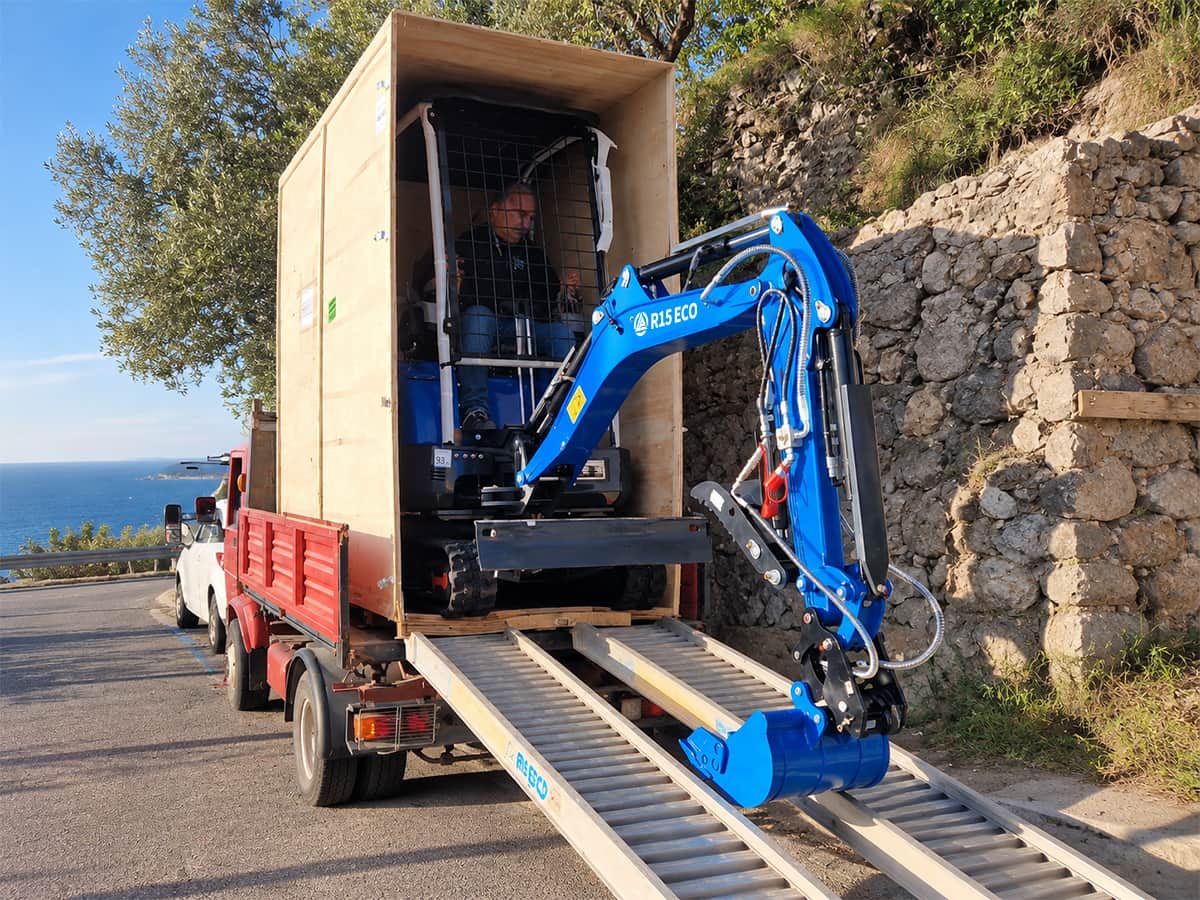
Step 3: Develop a Product Strategy
A dealer does not necessarily need to stock every available machine.
Instead, it can develop a focused product range based on local customer demand.
For example, a dealer serving landscaping contractors may emphasize compact equipment suitable for property and site work. A dealer serving construction companies may require a broader range.
The product strategy should follow the market rather than simply copying another dealer's inventory.
Step 4: Build a Local Sales Channel
After selecting a supplier, the dealer needs to make its equipment visible to local customers.
Common channels include:
Dealer websites
Google Search
Social media
Construction industry networks
Equipment exhibitions
Local contractor relationships
Equipment rental partnerships
The goal is to make it easy for customers searching for mini excavators for sale to discover the local dealer.
Step 5: Build a Long-Term Supplier Relationship
Successful dealership cooperation is not based only on the first shipment.
As the dealer develops its market, it may need additional inventory, different products, parts, marketing materials, and ongoing communication with the manufacturer.
A manufacturer that understands dealer development can become a long-term supply partner.
Why Work With a Factory-Direct Supplier?
For dealers, factory-direct sourcing can provide a direct connection with the manufacturer.
Instead of relying entirely on marketplace listings or multiple distribution layers, the dealer can communicate with the production source and discuss its market requirements.
This can be especially useful for businesses planning regular wholesale purchases.
Start Your Mini Excavator Dealership
Becoming a mini excavator dealer requires more than finding a machine for sale. The dealer needs to understand its market, select the right products, establish a reliable supply chain, and develop local customers.
For businesses looking for an excavator manufacturer, factory-direct supplier, or long-term dealership partner, RIPPA provides construction equipment for international markets and supports B2B cooperation.
Contact RIPPA to discuss mini excavator wholesale supply and dealer opportunities for your market.