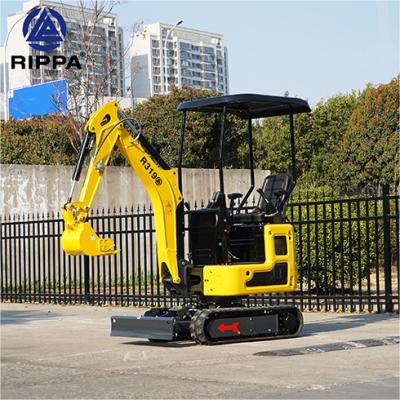
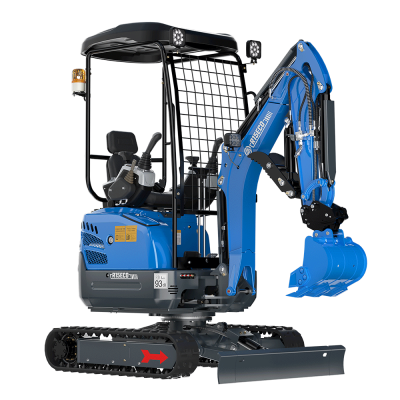
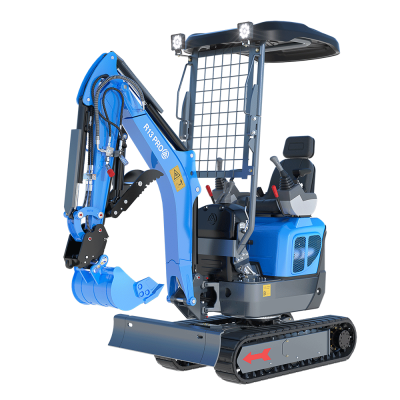
What Mini Excavator Distributors Need from a Manufacturing Partner
What Should Mini Excavator Distributors Expect from a Manufacturing Partner?
Mini excavator distributors need a manufacturing partner that can support their product strategy, provide consistent product information, maintain clear commercial terms, and coordinate orders and after-sales resources. For regional distributors and equipment resellers, the relationship affects more than the purchase price: it can influence inventory planning, customer communication, product availability, and the ability to grow into new markets.
Before signing a distribution agreement, businesses should evaluate whether the manufacturer can support their target market and whether both parties have a clear understanding of sales responsibilities, territory arrangements, product documentation, and customer support.
1. Product Range That Fits the Distributor's Market
A distributor needs a product range that reflects the requirements of its customers rather than a catalog that is simply large.
Start by identifying the industries and applications you plan to serve. Construction contractors, landscaping businesses, agricultural operators, and local equipment dealers may have different requirements for machine configurations and compatible attachments.
Discuss the following with the manufacturer:
Available mini excavator configurations.
Current specifications and product documentation.
Compatible attachments and accessories.
Differences between product options.
Availability of relevant product information and images.
Plans for product updates or changes, where applicable.
Request confirmation of the exact configuration for every quotation. This helps distributors create accurate product listings and prevents sales teams from relying on outdated or inconsistent information.
A focused product range can make it easier to train sales staff, organize inventory, and identify which products generate the strongest customer demand.
2. Establish Clear Distribution and Commercial Terms
Distribution partnerships should begin with a written understanding of the commercial relationship.
Discuss whether the arrangement is open distribution, a non-exclusive dealership, or a defined territorial agreement. Do not assume that access to a manufacturer's products automatically provides exclusive sales rights.
Where applicable, clarify the geographic scope, sales channels, performance expectations, contract period, and conditions for renewal or termination. Ask how the manufacturer handles inquiries from customers within the distributor's territory and whether any lead-sharing procedures are available.
Commercial terms should also cover pricing, order quantities, payment schedules, quotation validity, and procedures for changing or cancelling orders.
If the agreement includes territory protection or exclusivity, ensure the exact conditions are written into the contract. Both parties should understand how the arrangement operates before investing heavily in inventory or local marketing.
3. Evaluate Pricing and Margin Planning
A distributor must understand how equipment purchasing costs translate into a sustainable sales model.
Request itemized pricing for the relevant configurations and quantities. Clarify whether the quotation includes attachments, accessories, packaging, or other items. Confirm any minimum order requirements and the conditions under which volume pricing may apply.
Next, calculate the estimated landed cost, including relevant freight, import expenses, inland transportation, storage, and preparation costs. Then compare that figure with realistic market pricing and the expenses of operating your distribution business.
Your margin planning should account for marketing, sales staff, facilities, customer support, and the capital tied up in inventory. A supplier's quoted discount does not automatically translate into higher profit if the product is difficult to sell or the total cost is underestimated.
Avoid relying on a single advertised retail price. Research comparable products, customer demand, and local competitive conditions before setting a sales strategy.
4. Confirm Order Planning and Supply Communication
Distributors need timely, accurate information to coordinate inventory and customer commitments.
Ask the manufacturer how orders are confirmed, how production or fulfillment milestones are communicated, and how changes to a confirmed order are handled. Clarify how the supplier communicates schedule changes and what happens if a product configuration becomes unavailable.
For recurring purchases, consider establishing a forecast that distinguishes firm orders from estimated future demand. A forecast can support planning discussions, but the parties should clarify whether it creates any purchasing obligation.
Maintain written records of approved configurations, quotations, order confirmations, and shipment details. This is particularly useful when the distributor purchases several models or works with multiple sales locations.
Do not promise customers a specific delivery date until the supplier has confirmed the relevant schedule and responsibilities.
5. Request Product Documentation and Sales Resources
Distributors often need to publish product information across websites, catalogs, sales proposals, and advertising campaigns. Inaccurate specifications or outdated images can create customer confusion and additional work for sales teams.
Ask the manufacturer what materials it can provide, such as:
Current product catalogs and specifications.
Product images and approved marketing assets.
Operator manuals and maintenance information.
Parts lists and component identification resources.
Applicable compliance documentation.
Product update notices.
Confirm whether you have permission to use the supplied images and materials in your marketing. Agree on how updates will be communicated so that product pages and sales documents remain accurate.
A consistent documentation process also helps new sales staff learn the product range more efficiently.
6. Agree on Parts Support and Technical Escalation
Distributors need a clear way to help customers obtain parts information and technical assistance after a sale.
Before entering a partnership, ask how parts are identified, how orders are submitted, and which team handles technical questions. Determine whether parts information is available for the specific configurations you plan to sell.
If the manufacturer offers regional parts arrangements, verify the actual coverage and the components available through that channel. Confirm ordering procedures and any applicable terms rather than assuming that all components are stocked locally.
Define an escalation process for issues that cannot be resolved by the distributor's own staff. It should identify the appropriate contact, required documentation, and method for communicating the status of an open request.
These arrangements help both businesses set realistic expectations for customers.
7. Build a Joint B2B Marketing Plan
A distributor and manufacturer can align their marketing activities without assuming that every sales task will be handled by the other party.
The distributor may focus on local customer relationships, product demonstrations where available, regional search visibility, and industry-specific outreach. The manufacturer may provide product information, approved images, or broader brand materials, depending on the partnership agreement.
Before launching campaigns, agree on target industries, product priorities, geographic coverage, lead-handling procedures, and the information that can be used in promotional claims.
Track inquiries, qualified opportunities, quotations, orders, and customer feedback. Share relevant performance information where appropriate so both parties can identify product demand and improve sales planning.
Any co-marketing funding or promotional support should be documented with clear eligibility and reimbursement conditions.
8. Review the Partnership Before Expanding
A successful first order is useful, but it does not automatically prove that the relationship will support long-term distribution.
Before increasing order volume, review:
Product quality and consistency.
Accuracy of quotations and documentation.
Order communication and fulfillment.
Actual sales performance by configuration.
Parts and technical-support experience.
Customer feedback and unresolved issues.
Commercial terms and working-capital requirements.
Use these findings to identify improvements before expanding inventory or entering additional territories.
A distributor should also have a clear process for raising concerns with the manufacturer and agreeing on corrective actions. Regular business reviews can help keep expectations aligned as the partnership develops.
Frequently Asked Questions
What should a mini excavator distributor look for in a manufacturer?
Distributors should assess product suitability, pricing, order communication, product documentation, parts support, and the manufacturer's ability to work within the proposed commercial arrangement.
Do distributors need an exclusive territory agreement?
Not always. Some distributors operate without exclusivity, while others negotiate territory protection. Any exclusivity or territory conditions should be documented clearly in the agreement.
How can manufacturers support mini excavator distributors?
Depending on the agreement, manufacturers may provide product documentation, wholesale quotations, order coordination, approved marketing assets, parts information, and technical support channels.
What should a distributor review before increasing order volume?
Review actual customer demand, product performance, inventory turnover, landed costs, order reliability, support arrangements, and the distributor's available working capital.
Conclusion
A productive mini excavator distribution partnership depends on aligned commercial terms, a suitable product range, reliable order communication, and clearly defined support responsibilities.
Before entering a long-term agreement, document the territory and sales arrangements, confirm the product information available, and establish processes for orders, parts, and customer issues. Regular reviews can help both the manufacturer and distributor identify opportunities for sustainable growth.