What is the maintenance of a wheel loader?
The Critical Importance of Regular Wheel Loader Maintenance
The most effective way to ensure the wheel loader you are selling, or intend to keep operational, performs at its best is through a consistent and thorough maintenance regimen. Regular equipment maintenance directly reduces costly downtime and maximizes operational efficiency by preventing minor issues from escalating into major failures. For a specific model, always refer to the manufacturer's provided manual or guidelines, as they contain precise intervals, fluid specifications, and procedures tailored to that machine's engineering. Beyond daily productivity, a disciplined maintenance schedule empowers equipment owners to make informed decisions, ensuring the machine is ready to handle peak demand during busy seasons without unexpected breakdowns.
Furthermore, the investment in maintenance pays significant dividends in asset value retention. A well-maintained wheel loader is substantially easier to resell, commanding a higher price and attracting more serious buyers in the secondary market. It signals to potential purchasers that the machine has been cared for, implying greater reliability and lower future repair costs. Neglecting maintenance, on the other hand, leads to accelerated wear, poor performance, and a rapid depreciation of the machine's value, making it a less attractive proposition when it's time to upgrade or sell.
Key Seasonal Maintenance Tasks for Peak Performance
Adopting a proactive approach is key to keeping your wheel loader ready for the challenges of any season. Follow these methods to prepare your machine like a professional.
Maintaining a strong electrical system begins with the battery. Whether the machine is in active use or stored, the battery requires attention. Check that all battery connections are clean, tight, and free of debris; cable terminals should be free of corrosion. A battery can drain due to corroded terminals or parasitic draws, making periodic checks essential. In colder climates, ensure the battery maintains an adequate charge level, as a discharged battery is susceptible to freezing, which can cause physical damage to the battery case and potentially lead to failure when you need the machine most.
Tires are the critical interface between the machine and the ground. Checking tire pressure, tread depth, and overall condition before and after operation is vital for operator safety, machine stability, and fuel efficiency. Consult the manufacturer's recommended pressure, often found on the tire sidewall, and adjust accordingly. Remember that tire types and optimal pressure ranges can vary between different loader models and applications. Ensuring all operators are trained to conduct these basic checks helps protect this significant investment, as the quality and condition of the tires are non-negotiable for safe and productive operation.
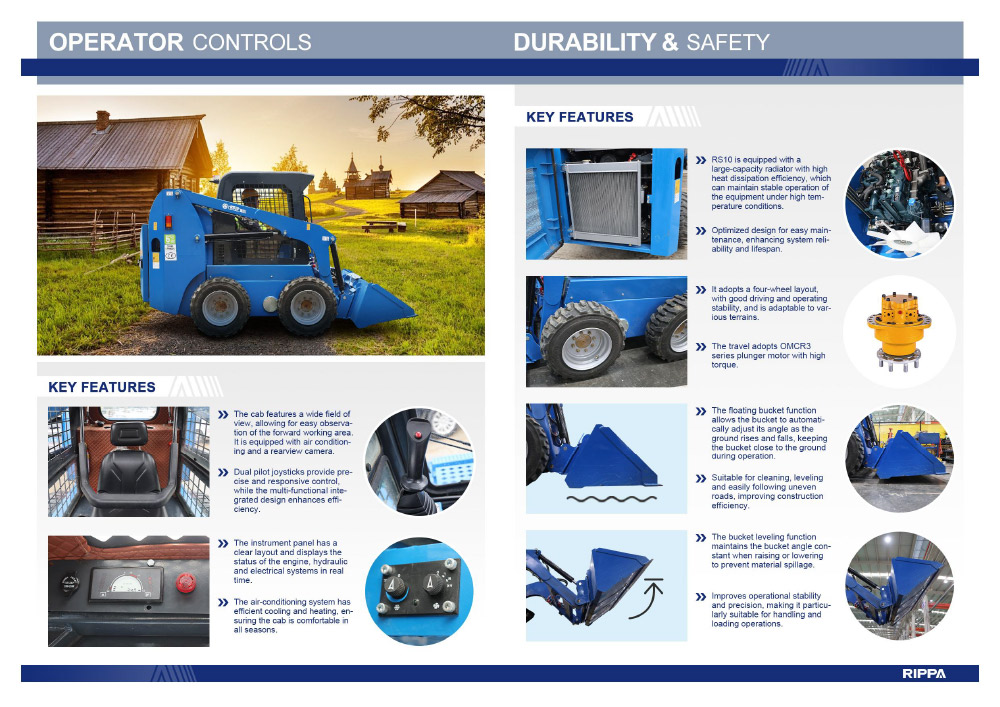
As seasons change, so should your maintenance focus, particularly on the cooling system. The condition of a wheel loader's cooling system is a direct reflection of its engine health. Overlooking it can lead to overheating and catastrophic engine failure. Use an air compressor to gently remove dust, debris, and chaff from the radiator and oil cooler fins. Periodically, the system should be flushed and refilled with new coolant according to the manufacturer's specifications to maintain its boiling and freezing protection capabilities. Consulting an expert to establish a cleaning frequency based on your operating environment ensures you stay on the right track.
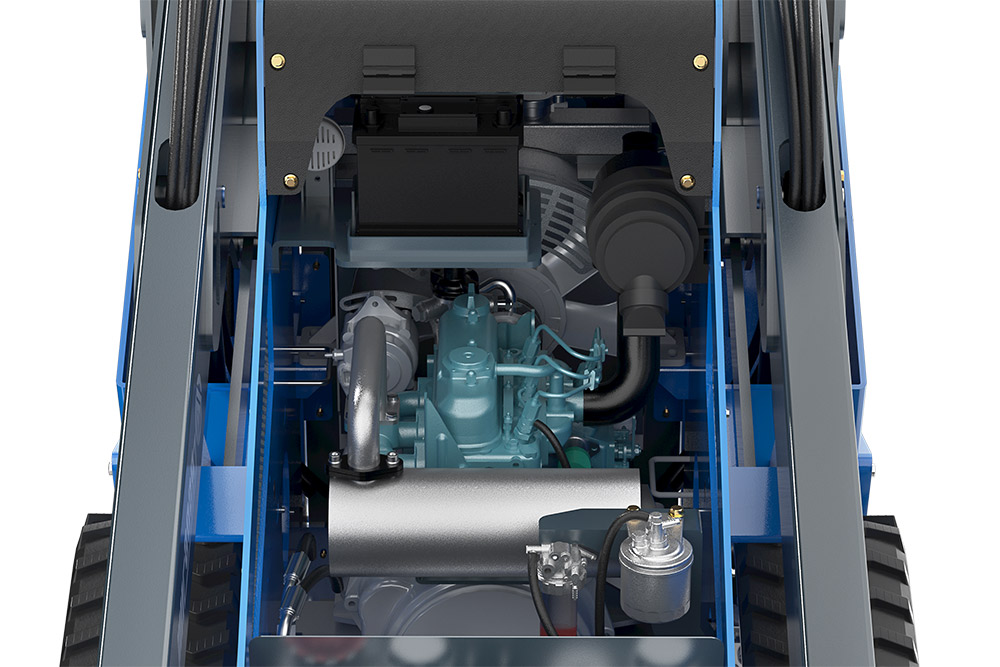
Fluid Management, Filters, and Attachment Care
Understanding and servicing a wheel loader's core systems is fundamental. This encompasses regular checks of all fluid levels—engine oil, hydraulic fluid, coolant, and axle oils—as well as monitoring hydraulic system pressure and lubricating all designated pivot points. Simultaneously, you must replace the machine's filters on schedule to protect its internal components from contamination. This includes engine air filters, fuel filters, oil filters, and hydraulic filters. A clogged filter restricts flow, reduces efficiency, and can cause significant damage, negatively impacting both performance and resale value.
The machine's cab and operator environment are also part of its upkeep. Why would someone purchase a poorly maintained wheel loader with worn seats, faulty seatbelts, and disorganized controls? A clean, functional cab not only provides a better operator experience, boosting productivity, but also significantly enhances the machine's appeal in the used market. It demonstrates overall care and attention to detail.
Attachments are force multipliers for a wheel loader. Bucket teeth, cutting edges, and other wear parts are not standalone items; their purpose is to enhance the base machine's functionality. Equipping a loader with the right attachments allows it to perform multiple tasks, from digging and grading to lifting and loading. This versatility increases job site efficiency and represents a cost-effective solution for buyers with limited space for multiple dedicated machines. Worn attachments should be repaired or replaced, as they reduce digging efficiency and increase strain on the loader's hydraulic system. Ensuring your attachments are in top condition prepares your machine for peak performance.