Chinese Mini Excavator Brands: How to Compare Manufacturers
Choosing among Chinese mini excavator brands requires more than comparing logos, advertised prices, or individual product listings. Equipment buyers should evaluate manufacturing capability, product suitability, quality-control procedures, export experience, and long-term supplier support.
For importers and dealers, the right manufacturer is one that can meet current purchasing needs while supporting future orders and customer service requirements.
What Differentiates Chinese Mini Excavator Brands?
Product Range and Application
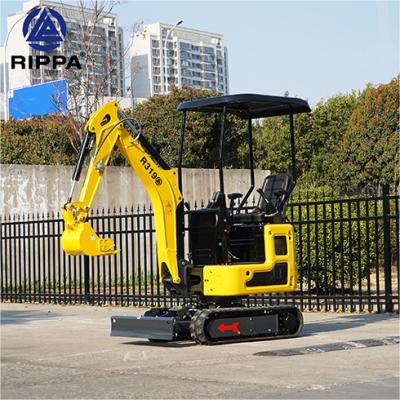
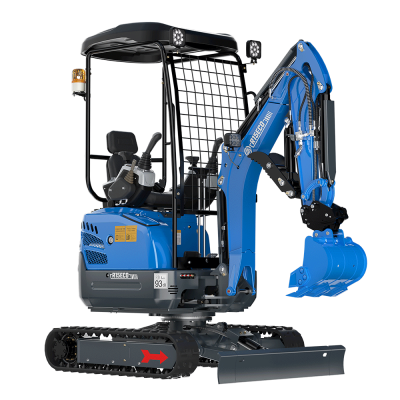
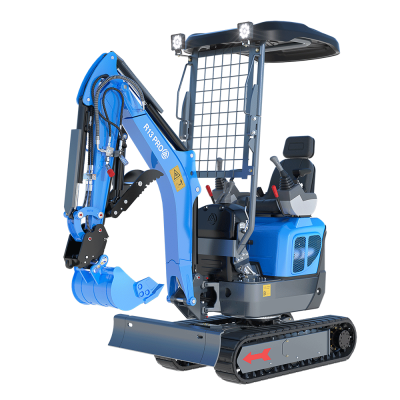
Manufacturers may focus on different customer groups, including homeowners, landscaping contractors, construction businesses, agricultural operators, or equipment distributors.
Review the available product range and determine whether it matches your target market. Consider the applications customers commonly perform, the available attachments, and the documentation provided for each model.
Manufacturing Capability
A brand's website does not necessarily establish whether it manufactures its own equipment. Ask about the factory, production process, quality inspections, and how the company manages component sourcing.
For substantial orders, buyers may request a factory introduction, production evidence, or a remote inspection before placing an order.
Export and Dealer Experience
International purchasing involves documentation, packaging, logistics, and communication across time zones. Manufacturers with established export processes may be better prepared to handle these requirements.
Dealers should also ask about repeat orders, spare-parts ordering, product training, and marketing resources.
How to Compare Brands Fairly
Use the same evaluation criteria for every shortlisted manufacturer. Compare equivalent machine configurations, quotation terms, delivery conditions, and after-sales commitments.
A useful supplier scorecard can include:
Manufacturing and quality-control evidence.
Product range and application suitability.
Clarity of product and compliance documentation.
Quotation transparency and order requirements.
Spare-parts availability and technical support.
Export experience and communication quality.
Dealer cooperation and repeat-order arrangements.
Avoid making a decision based on a single specification or the lowest advertised price.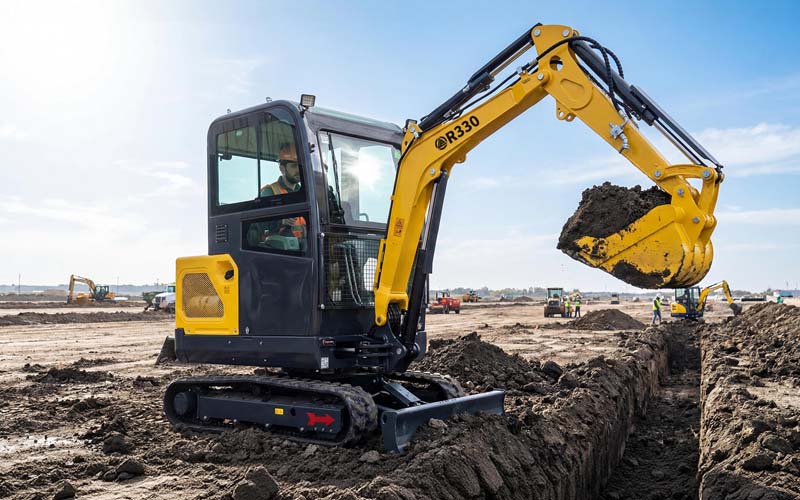
Questions to Ask Before Selecting a Brand
Ask who manufactures the machine, what inspections take place before shipment, what documents accompany the order, and how warranty claims are handled.
For dealer programs, clarify territory arrangements, minimum order requirements if any, pricing policies, lead management, and available promotional support.
Written answers make supplier comparisons more consistent and help reduce misunderstandings after an order is placed.
Why Long-Term Support Matters
A supplier relationship does not end when a machine arrives. Buyers may need replacement components, maintenance guidance, additional machines, or help addressing customer concerns.
Dealers should therefore evaluate the manufacturer's service process alongside its products. Clear communication and dependable parts arrangements can support customer retention and repeat business.
Frequently Asked Questions
Which Chinese mini excavator brand is best?
There is no single best choice for every buyer. The right option depends on the application, budget, local requirements, supplier capabilities, and support expectations.
How can I verify a manufacturer?
Request company information, factory evidence, product documentation, and references where available. Confirm important commercial and compliance details independently.
Should dealers compare several manufacturers?
Yes. Comparing multiple suppliers using the same checklist can reveal differences in pricing terms, product availability, documentation, and support.
Choose a Manufacturer for Long-Term Growth
For professional buyers, manufacturer selection should be treated as a commercial decision rather than a simple product comparison. Evaluate the equipment, verify the supplier, and confirm the terms that will govern future orders before establishing a purchasing relationship.