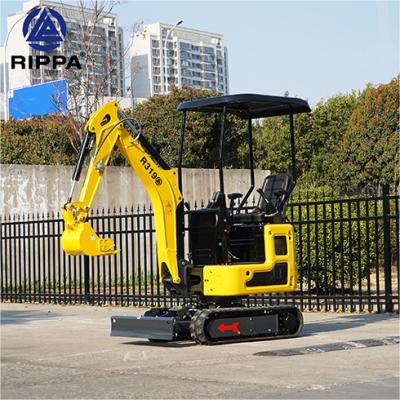
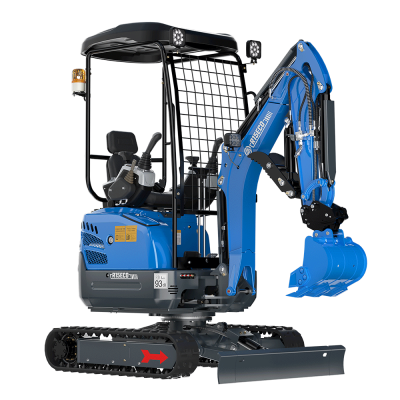
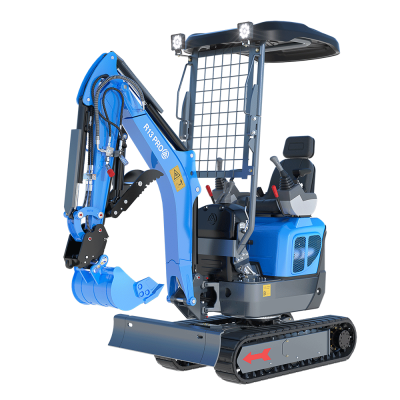
Chinese Mini Excavator Manufacturer: 8 Things Importers Should Check Before Buying
China is an important sourcing market for construction equipment, including compact and mini excavators. For overseas importers, distributors, and equipment dealers, working with a Chinese mini excavator manufacturer can provide an opportunity to develop a product range and build a long-term supply relationship.
However, finding a factory online is only the first step.
Importers need to verify the supplier's business background, understand its manufacturing capabilities, review product documentation, and confirm how international orders are handled.
A competitive quotation alone is not enough to establish whether a supplier is suitable for long-term cooperation.
Here are eight things to check before choosing a Chinese mini excavator manufacturer.
1. Verify the Company's Business Background
Start by identifying the company behind the product listing.
Check its official website, registered business information, contact details, company address, and product categories.
You should understand whether the business is:
An equipment manufacturer.
A trading company.
An export agent.
A regional distributor.
A business combining manufacturing and distribution activities.
These distinctions matter because they influence product sourcing, communication, order management, and technical responsibilities.
Ask the supplier to explain its role in the manufacturing and export process.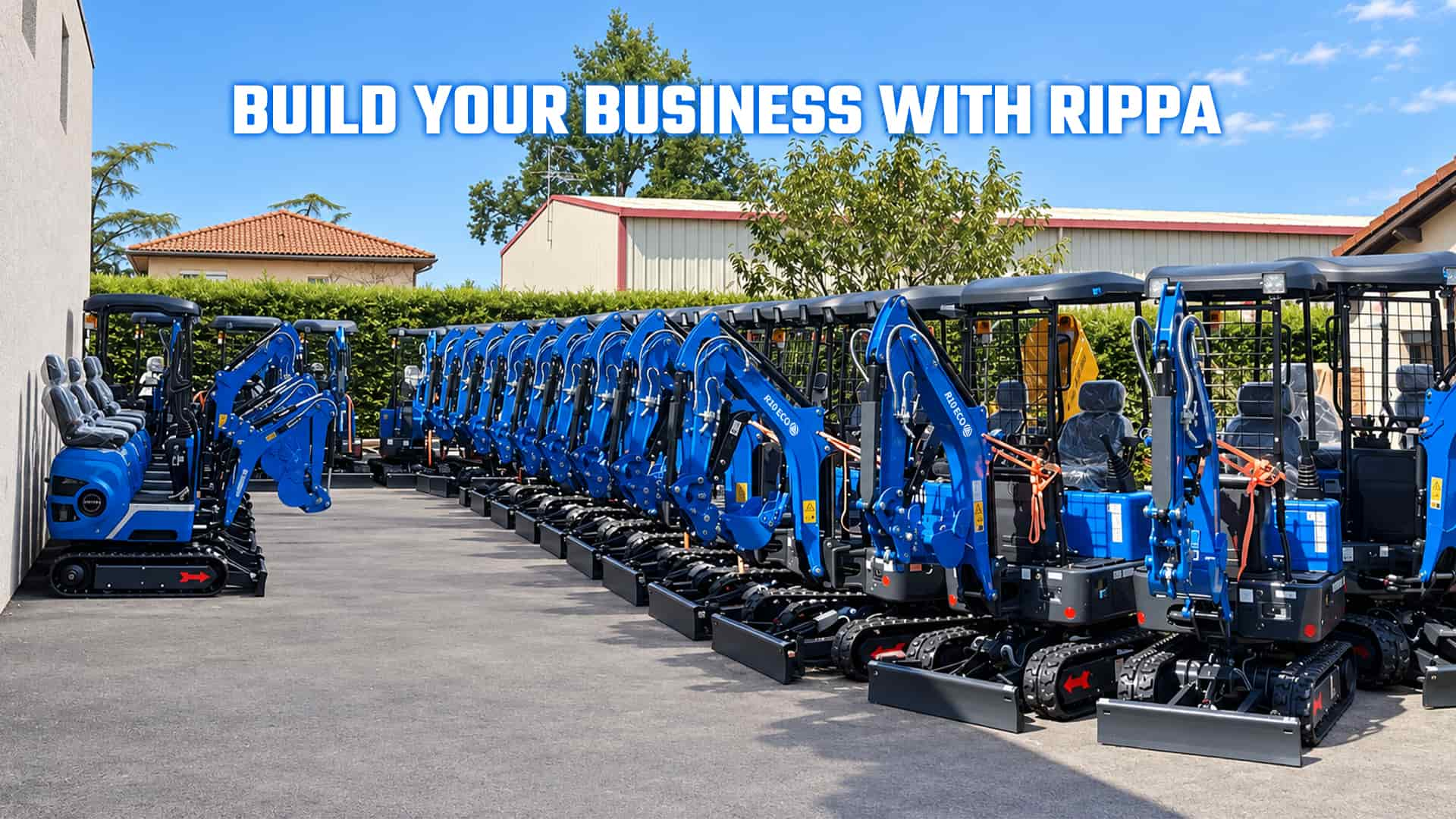
2. Evaluate Manufacturing Capabilities
A supplier's manufacturing capability should be evaluated through verifiable information rather than general marketing statements.
Importers can ask about:
Manufacturing facilities.
Production processes.
Quality inspection procedures.
Product assembly arrangements.
Factory inspection opportunities.
Production planning and order management.
Where possible, request current factory photographs, videos, or an online factory meeting.
If you are planning a larger order, discuss whether a factory visit or third-party inspection can be arranged.
The purpose is to understand how the supplier manages production and whether its operations are appropriate for your purchasing requirements.
3. Compare the Mini Excavator Product Range
A manufacturer with a suitable product range may be able to support different customer groups.
When evaluating mini excavator models, compare their intended applications and official configurations.
Important information includes:
Model identification.
Operating weight.
Digging capabilities.
Machine dimensions.
Engine configuration.
Available attachments.
Operating and maintenance documentation.
Do not compare machines using model names or promotional photographs alone.
Request official product information for each model and confirm that the quotation refers to the exact configuration being discussed.
4. Review Product Quality and Inspection Procedures
Quality assurance should be part of the supplier evaluation process.
Ask how the manufacturer checks incoming components, assembly processes, machine functions, and finished equipment.
For international orders, buyers may also want to discuss pre-shipment inspection arrangements.
Before confirming an order, establish:
What inspection process is followed?
Can inspection records be provided?
Is third-party inspection permitted?
How are product issues recorded?
What happens if delivered equipment does not match the confirmed order?
Clear inspection arrangements help reduce misunderstandings between manufacturers and importers.
5. Check Documentation for Your Destination Market
Import requirements differ between countries and product categories.
Before placing an order, identify which documents are required for importing and selling the equipment in your market.
Depending on the destination and applicable regulations, buyers may need to review:
Commercial invoices.
Packing lists.
Bills of lading or other transport documents.
Product specifications.
Operating manuals.
Applicable conformity or compliance documents.
Customs classification and import information.
Do not assume that a certificate or document used in one market automatically satisfies the requirements of another.
Importers should confirm local requirements with the relevant authorities or qualified customs and compliance professionals.
6. Understand Parts and Technical Support
A long-term equipment supplier should have a clear process for product-related questions.
Before purchasing, ask how the manufacturer handles:
Spare parts identification.
Parts quotations and ordering.
Maintenance documentation.
Technical inquiries.
Product issue reporting.
Warranty terms applicable to the order.
For overseas distributors, communication between the manufacturer and the local business is particularly important.
Make sure the responsibilities of the manufacturer, distributor, and local service provider are clearly defined.
7. Compare Export Experience and Shipping Arrangements
International equipment purchasing involves more than production and payment.
Importers should understand how the supplier handles export documentation, packaging, loading, freight coordination, and communication during shipment.
Ask the manufacturer:
Which export documents can be provided?
What packaging options are available?
How is loading arranged?
Which shipping terms are offered?
Who coordinates freight and insurance?
Which party handles customs clearance and destination delivery?
For quotations, confirm the exact Incoterms and named place or port.
This helps prevent unexpected costs and unclear responsibilities after an order is placed.
8. Evaluate Long-Term Cooperation Potential
For equipment dealers and importers, the supplier relationship should support more than a single transaction.
Consider whether the manufacturer can provide the product information, communication, and purchasing processes your business needs.
A potential long-term partner should be able to discuss:
Product range development.
Expected order quantities.
Market requirements.
Product documentation.
Parts purchasing procedures.
Marketing materials.
Order planning and communication.
Before discussing exclusivity or territory protection, make sure the commercial terms, responsibilities, and conditions are clearly documented.
Manufacturer vs. Trading Company: What Is the Difference?
Both manufacturers and trading companies may participate in international equipment sourcing, but their roles can differ.
| Evaluation point | Manufacturer | Trading company |
|---|---|---|
| Product sourcing | Produces or manages manufacturing | Sources from manufacturers |
| Product information | Can provide factory-related information | Depends on its supplier network |
| Configuration discussion | May communicate directly about production options | Coordinates with the manufacturer |
| Order process | Direct factory order arrangements | Trading company order arrangements |
| Technical communication | Confirm the factory's support process | Confirm how technical questions are passed on |
The most suitable supplier depends on the buyer's requirements, order size, product needs, and preferred purchasing process.
Questions to Ask a Chinese Mini Excavator Manufacturer
Before requesting a final quotation, prepare these questions:
Are you the manufacturer or a trading company?
Which mini excavator models are available?
Can you provide official specifications and product documentation?
What configurations and attachments can be discussed?
How are finished machines inspected?
Which export documents can you provide?
How are spare parts identified and ordered?
What technical communication arrangements are available?
What are your order and payment terms?
Can we discuss long-term distributor cooperation?
These questions help make supplier comparisons more structured.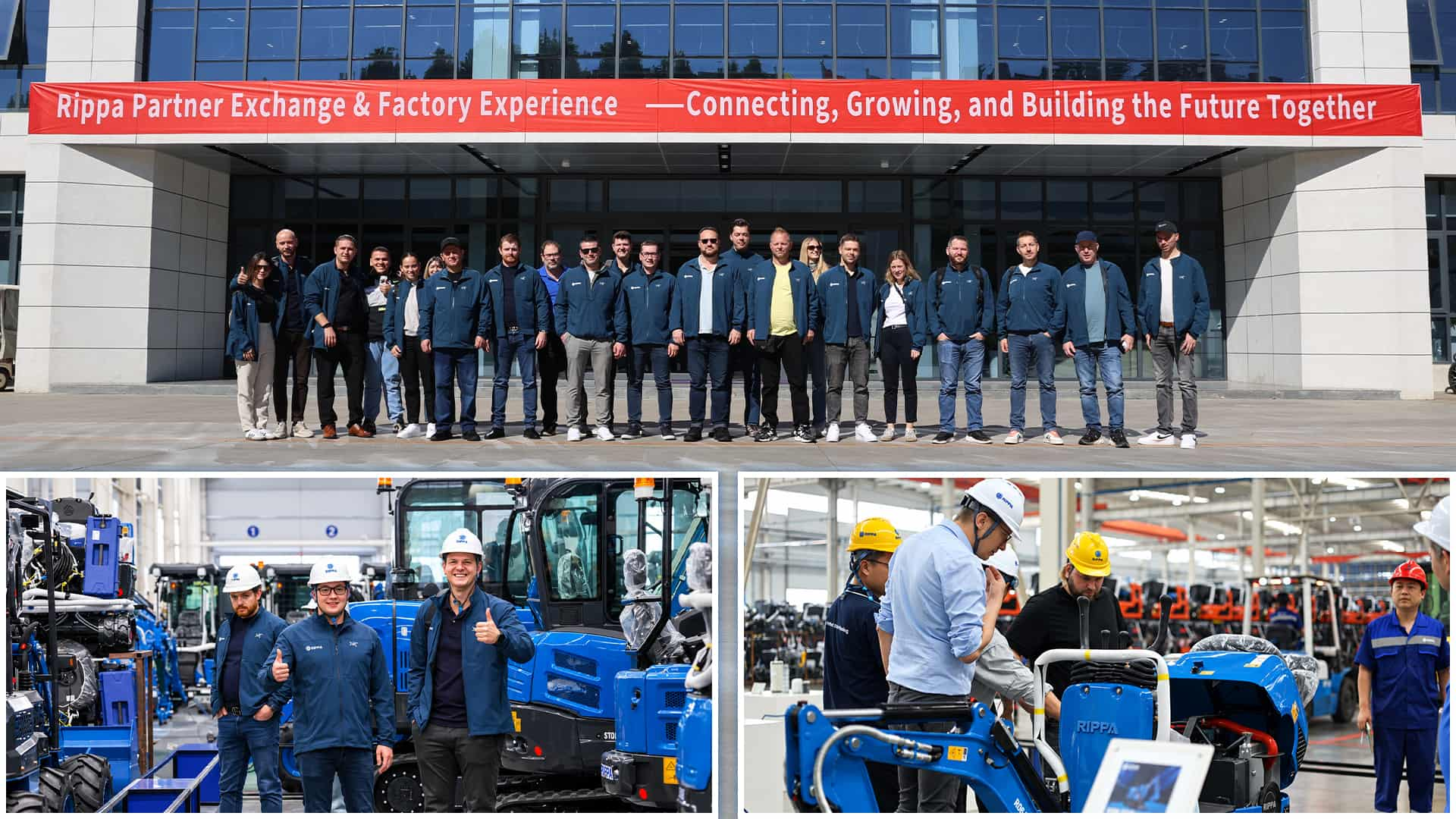
Frequently Asked Questions
How do I find a reliable Chinese mini excavator manufacturer?
Check the company's business background, manufacturing information, product documentation, inspection procedures, export experience, and technical communication process. Verify important claims before placing an order.
Is it better to buy directly from a Chinese excavator factory?
Direct factory sourcing may suit importers and distributors who want to discuss products and orders with a manufacturer. The best option depends on purchasing requirements and the supplier's actual capabilities.
What documents should I request from a Chinese mini excavator manufacturer?
Request product specifications, operating and maintenance information, commercial documents, and applicable compliance documents for your destination market.
Can overseas equipment dealers work directly with Chinese manufacturers?
Yes. Dealers can contact manufacturers to discuss product sourcing, order requirements, market development, and potential distributor cooperation.
Contact RIPPA for Manufacturer and Distributor Inquiries
RIPPA Group is a Chinese construction equipment manufacturer based in Jining, Shandong, serving international equipment buyers and business partners.
If you are sourcing mini excavators for import, wholesale purchasing, or distributor cooperation, contact RIPPA with your target market, product interests, and expected purchasing requirements.
The team can discuss relevant equipment options and the information needed for a potential business relationship.