The Complete Guide to Choosing a RIPPA Mini Excavator for Your Business
Across construction, agriculture, landscaping, and infrastructure projects, compact equipment is replacing larger machines in many applications.
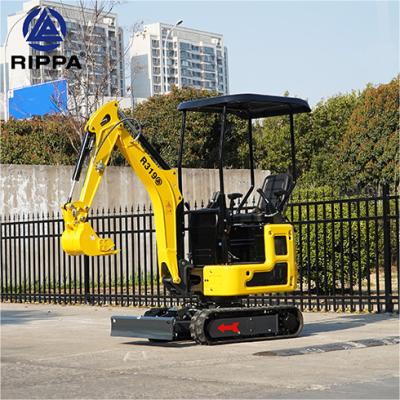
A RIPPA mini excavator offers several advantages:
Compact size for confined workspaces
Excellent digging performance
Easy transportation between jobsites
Lower operating costs
Reduced ground disturbance
Simple daily maintenance
Wide attachment compatibility
These benefits make RIPPA excavators a practical investment for businesses seeking versatile equipment that can adapt to changing project requirements.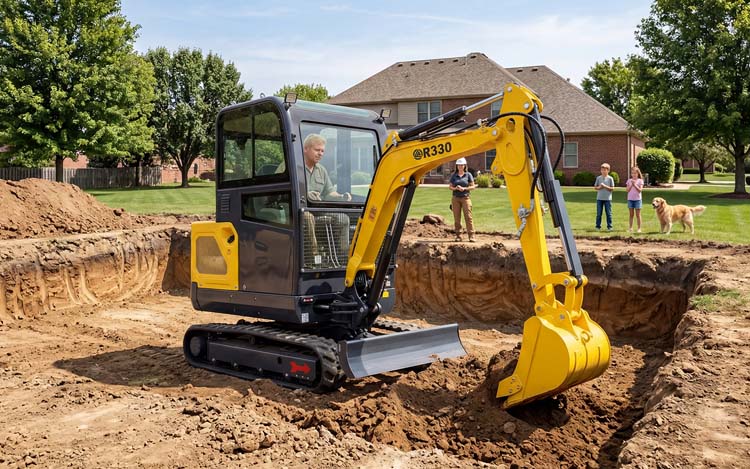
Applications of a RIPPA Excavator
One of the greatest strengths of a mini excavator RIPPA is its ability to perform multiple tasks using different attachments.
Construction
Contractors use compact excavators for:
Foundation excavation
Utility trenching
Drainage systems
Site grading
Demolition preparation
Landscaping
Landscaping companies rely on RIPPA mini excavators for:
Garden construction
Tree planting
Pond excavation
Retaining wall preparation
Irrigation installation
Agriculture
Farm operators commonly use compact excavators to:
Clean drainage ditches
Install fencing
Remove tree stumps
Prepare farmland
Maintain irrigation systems
Municipal Maintenance
Local governments use compact excavators for underground utility work, road maintenance, park improvements, and public landscaping.
Features That Make RIPPA Excavators Stand Out
Modern RIPPA excavators are designed with productivity and operator convenience in mind.
Compact Design
The compact footprint allows operators to access areas that larger equipment cannot reach.
Efficient Hydraulic Performance
Responsive hydraulic systems provide smooth operation and consistent attachment performance.
Operator Comfort
Ergonomic controls and a thoughtfully designed workspace help reduce fatigue during long workdays.
Multiple Attachment Options
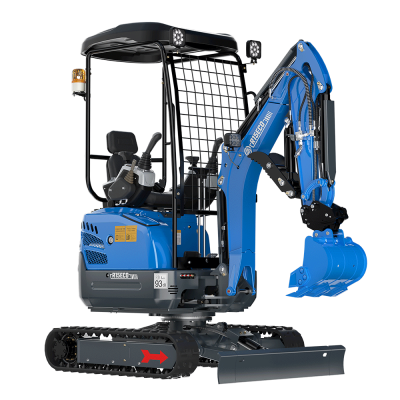
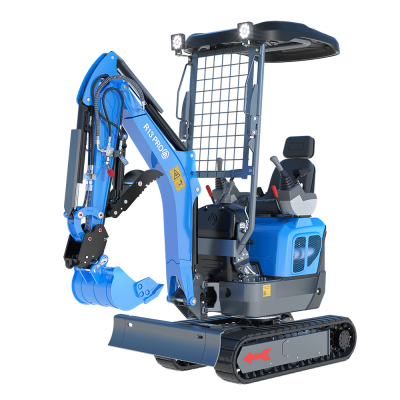
A RIPPA mini excavator can often be equipped with:
Standard buckets
Trenching buckets
Hydraulic breakers
Augers
Grapples
Rippers
Compaction equipment
This versatility allows one machine to complete many different types of work.
Why Genuine RIPPA Mini Excavator Parts Matter
Routine maintenance is essential for keeping equipment operating efficiently.
Using genuine RIPPA mini excavator parts helps ensure:
Reliable Machine Performance
Original parts are manufactured to match machine specifications for dependable operation.
Longer Equipment Life
Quality replacement parts reduce unnecessary wear on major components such as hydraulic pumps, cylinders, and travel systems.
Lower Maintenance Costs
Preventive maintenance often costs significantly less than repairing major mechanical failures.
Reduced Downtime
Properly fitted replacement parts help keep machines operating with minimal interruptions.
Frequently Replaced RIPPA Mini Excavator Parts
Every excavator contains components that naturally wear during operation.
Common replacement items include:
Hydraulic Filters
Protect hydraulic systems from contamination.
Engine Filters
Maintain clean airflow and fuel delivery for consistent engine performance.
Bucket Teeth
Restore digging efficiency while minimizing wear on the bucket.
Hydraulic Hoses
Regular inspection helps prevent pressure loss and fluid leaks.
Rubber Tracks
Properly maintained tracks improve traction, stability, and travel performance.
Pins, Bushings, and Seals
Replacing these wear components helps maintain smooth and accurate machine movement.
Preventive Maintenance Best Practices
A simple maintenance routine greatly improves equipment reliability.
Daily inspections should include:
Hydraulic oil
Engine oil
Coolant
Fuel level
Hydraulic hoses
Rubber tracks
Bucket linkage
Attachment connections
Safety devices
Cleaning the machine after work also makes it easier to identify leaks, cracks, or damaged components.
RIPPA Mini Skid Steer and Mini Excavator: A Powerful Combination
Many contractors increase productivity by operating both a RIPPA mini skid steer and a RIPPA mini excavator.
RIPPA Mini Excavator
Ideal for:
Digging
Trenching
Demolition
Foundation work
Utility installation
RIPPA Mini Skid Steer
Perfect for:
Material loading
Transporting materials
Site cleanup
Pallet handling
Landscaping support
Together, these compact machines reduce manual labor while improving efficiency across multiple phases of a project.
Factors to Consider Before Purchasing
Selecting the right RIPPA excavator requires evaluating more than just machine size.
Jobsite Conditions
Consider available working space, terrain, and transportation requirements.
Future Equipment Needs
Choose a machine that supports the attachments required for both current and future projects.
Maintenance Requirements
Reliable access to RIPPA mini excavator parts helps minimize downtime throughout the machine's operating life.
Operating Costs
Evaluate fuel efficiency, maintenance schedules, transportation convenience, and overall ownership costs.
Tips for Extending the Life of Your RIPPA Excavator
Professional operators follow several best practices to maximize equipment lifespan.
Inspect Before Every Shift
Small issues are easier and less expensive to correct before they become major failures.
Replace Wear Components Promptly
Ignoring worn bucket teeth, tracks, or hydraulic hoses can lead to more extensive repairs.
Operate Smoothly
Avoid sudden impacts and unnecessary overloading to reduce stress on hydraulic systems.
Keep the Machine Clean
Regular cleaning helps prevent corrosion while making maintenance inspections more effective.
Follow Scheduled Maintenance
Consistent servicing improves machine reliability and protects long-term performance.
Why Businesses Around the World Choose RIPPA
Professionals choose RIPPA excavators because they offer an excellent balance of durability, efficiency, and versatility.
Key advantages include:
Compact and easy to transport
Efficient hydraulic performance
Wide range of compatible attachments
Convenient routine maintenance
Genuine replacement parts availability
Suitable for construction, agriculture, landscaping, municipal work, and equipment rental
Excellent solution for dealers expanding their compact equipment portfolio
Whether you're managing a single machine or a growing fleet, RIPPA mini excavators provide dependable performance across a variety of applications.
Conclusion
A RIPPA mini excavator is a smart investment for businesses seeking compact, versatile, and efficient construction equipment. From residential construction and landscaping to agriculture and municipal maintenance, these machines deliver the performance required for today's demanding jobsites.
By using genuine RIPPA mini excavator parts, following a preventive maintenance schedule, and pairing your excavator with a RIPPA mini skid steer for material handling, you can reduce downtime, extend equipment life, and maximize return on investment.
Whether you're purchasing your first mini excavator RIPPA or expanding an existing fleet, choosing reliable equipment and maintaining it properly will help your business remain productive for years to come.
FAQ
Why choose a RIPPA mini excavator?
A RIPPA mini excavator offers compact dimensions, efficient hydraulic performance, versatile attachment compatibility, and reliable operation for a wide variety of construction and landscaping applications.
Which RIPPA mini excavator parts require the most frequent replacement?
Common wear parts include hydraulic filters, engine filters, bucket teeth, rubber tracks, hydraulic hoses, seals, pins, and bushings.
How can I reduce maintenance costs?
Perform daily inspections, replace worn parts promptly, keep the machine clean, and follow the recommended preventive maintenance schedule.
Can RIPPA excavators support multiple attachments?
Yes. Many RIPPA excavators are compatible with buckets, augers, hydraulic breakers, grapples, rippers, and other attachments that increase machine versatility.
Is a RIPPA mini skid steer a good addition to my fleet?
Absolutely. A RIPPA mini skid steer complements a RIPPA mini excavator by handling material transport, loading, site cleanup, and other tasks that improve overall jobsite efficiency.