Excavator Cost by Size: Mini, Mid-Size & Large Excavators Compared
When purchasing construction equipment, one of the most common questions buyers ask is how much does an excavator cost. While brand, engine, and attachments all influence the final investment, machine size remains the single biggest factor affecting price.
Choosing an excavator that is too small may reduce productivity, while selecting a machine that is too large can increase fuel consumption, transportation costs, and operating expenses. Understanding the differences between mini, mid-size, and large excavators allows contractors, dealers, and fleet managers to invest more wisely.
In this guide, we'll compare excavator costs by size, explain the strengths of each category, and help you determine which machine offers the best value for your projects.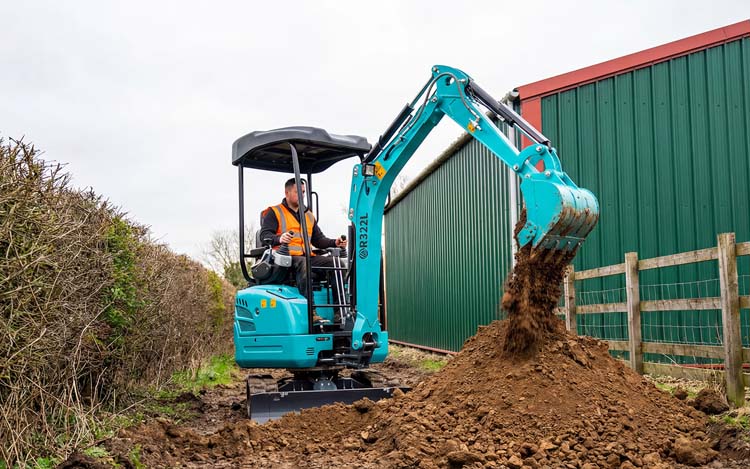
Why Excavator Size Matters
Excavators are designed for different workloads. Larger machines generally deliver more digging power and lifting capacity, but they also require greater investment and operating costs.
Before purchasing an excavator, consider:
Project type
Jobsite space
Soil conditions
Daily operating hours
Transportation requirements
Attachment compatibility
Future business growth
Selecting the right size improves productivity while controlling long-term ownership costs.
Mini Excavators (Compact Excavators)
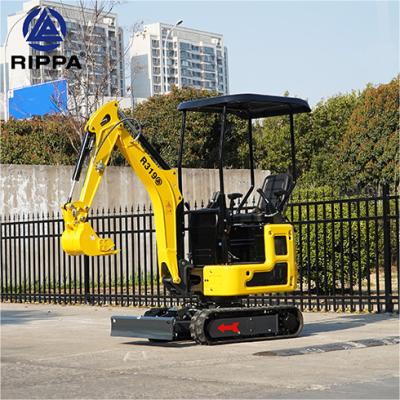
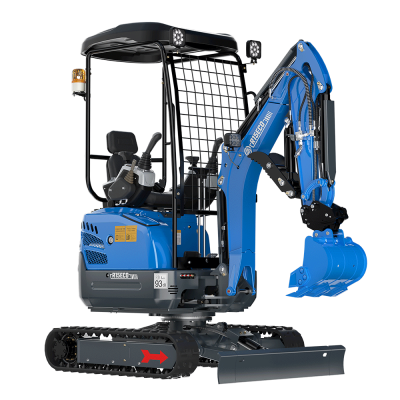
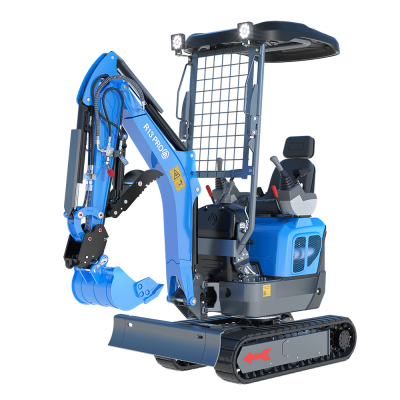
Mini excavators are the fastest-growing category in today's construction equipment market. Their compact footprint and versatility make them suitable for a wide variety of industries.
Typical Applications
Mini excavators are commonly used for:
Residential construction
Landscaping
Agriculture
Irrigation systems
Utility trenching
Fence installation
Property maintenance
Indoor demolition
Municipal repair work
Because they can access narrow workspaces, mini excavators often replace manual labor on smaller projects.
Advantages of Mini Excavators
Compared with larger machines, mini excavators offer:
Easy transportation between jobsites
Lower fuel consumption
Reduced maintenance costs
Minimal ground disturbance
Excellent maneuverability
Lower operator training requirements
These benefits make compact excavators especially attractive for small contractors and rental businesses.
Who Should Buy One?
Mini excavators are ideal for:
Landscaping companies
Farmers
Home builders
Utility contractors
Equipment rental businesses
Municipal maintenance departments
If your work regularly involves confined spaces, a compact excavator may provide the best return on investment.
Mid-Size Excavators
Mid-size excavators provide an excellent balance between power and flexibility.
These machines are widely used in commercial construction because they can handle heavier workloads while remaining relatively easy to transport.
Common Applications
Mid-size excavators are suitable for:
Commercial construction
Road maintenance
Foundation excavation
Drainage systems
Pipeline installation
Site preparation
Material handling
Their versatility makes them one of the most popular choices for contractors managing multiple project types.
Advantages
Compared with mini excavators, mid-size machines provide:
Greater digging depth
Increased lifting capacity
Larger bucket options
Stronger hydraulic performance
Higher productivity
Many contractors consider this category the most versatile option for everyday construction work.
Large Excavators
Large crawler excavators are built for demanding earthmoving operations.
Although they require a higher initial investment, they deliver exceptional productivity on large-scale projects.
Typical Applications
Large excavators are commonly used in:
Highway construction
Mining operations
Quarry work
Dam construction
Industrial development
Large infrastructure projects
Heavy demolition
Their powerful hydraulic systems allow operators to move significant amounts of material efficiently.
Benefits
Large excavators offer:
Maximum digging force
High lifting capacity
Large bucket volume
Continuous heavy-duty operation
Excellent stability
Compatibility with specialized attachments
For high-volume earthmoving, larger equipment often lowers the cost per cubic meter of material moved.
Comparing Excavator Costs by Size
Although exact pricing varies by manufacturer and configuration, ownership costs generally increase as machine size grows.
| Machine Size | Best For | Investment Level | Operating Cost |
|---|---|---|---|
| Mini Excavator | Landscaping, farms, residential work | Lower | Low |
| Mid-Size Excavator | Commercial construction | Moderate | Medium |
| Large Excavator | Mining, infrastructure | Higher | Higher |
Rather than choosing the largest machine available, buyers should select equipment that matches their daily workload.
Factors That Influence Excavator Cost
Machine size is only one part of the equation.
Other important pricing factors include:
Engine Technology
Modern engines improve fuel efficiency while meeting environmental regulations.
Hydraulic Performance
Advanced hydraulic systems increase digging efficiency, lifting performance, and attachment versatility.
Attachments
Popular attachments include:
Hydraulic breakers
Augers
Grapples
Rippers
Compaction wheels
Tilt buckets
Quick couplers
Adding multiple attachments increases machine versatility and overall value.
Cab Configuration
Modern operator stations may include:
Air conditioning
Suspension seating
Touchscreen displays
Rear-view cameras
Ergonomic controls
Improved comfort often leads to higher productivity over long working hours.
Looking Beyond the Purchase Price
When evaluating how much an excavator costs, it's important to consider total ownership expenses.
These may include:
Transportation
Fuel
Routine maintenance
Hydraulic oil and filters
Wear parts
Insurance
Operator training
Downtime during repairs
Machines with higher reliability often reduce lifetime operating costs even if their initial purchase price is higher.
Choosing the Right Excavator for Your Business
Ask yourself the following questions before purchasing:
What type of projects do you complete most often?
Daily work should determine machine size—not occasional jobs.
Will you use multiple attachments?
Ensure the excavator supports the hydraulic flow required for future attachments.
How important is transportation?
Compact machines are easier and less expensive to transport between jobsites.
Do you expect your business to grow?
Many contractors invest in equipment that supports future expansion rather than only current needs.
Why Contractors Worldwide Choose RIPPA Excavators
RIPPA manufactures a complete range of excavators designed to meet the needs of contractors, dealers, rental companies, and construction professionals around the world.
The RIPPA excavator lineup includes compact, mid-size, and larger models suitable for diverse applications, from residential landscaping to commercial infrastructure projects.
Key advantages include:
Wide range of machine sizes
Efficient hydraulic systems
Comfortable operator environments
Attachment compatibility
Factory-direct supply
International certifications
Global dealer support
Reliable spare parts availability
Whether you're purchasing your first compact excavator or expanding a professional construction fleet, RIPPA provides equipment designed for productivity, durability, and long-term value.
Tips for Maximizing Your Investment
To achieve the best return on your equipment investment:
Match the excavator size to your primary workload.
Compare productivity instead of purchase price alone.
Choose a manufacturer with dependable technical support.
Consider fuel efficiency and maintenance requirements.
Evaluate attachment compatibility for future flexibility.
Plan for transportation and storage before purchasing.
Invest in operator training to improve machine performance and safety.
A carefully selected excavator can improve efficiency, reduce operating costs, and support business growth for years to come.
Conclusion
Understanding excavator cost by size helps buyers make smarter equipment decisions. Mini excavators excel in confined spaces and light-duty work, mid-size machines provide outstanding versatility for commercial projects, and large excavators deliver unmatched productivity for heavy construction and mining.
Instead of focusing solely on the initial purchase price, evaluate total ownership costs, expected workload, and long-term business goals. Choosing the right excavator size ensures better efficiency, higher productivity, and a stronger return on investment.
Whether you're a contractor, dealer, or fleet manager, selecting equipment from a trusted manufacturer like RIPPA can help your business succeed in an increasingly competitive construction industry.
Frequently Asked Questions
Which excavator size is best for residential construction?
Mini excavators are generally the preferred choice because they are compact, easy to transport, and can operate efficiently in confined spaces.
Do larger excavators always cost more to own?
Yes. In addition to a higher purchase price, larger excavators typically have greater fuel consumption, transportation costs, and maintenance requirements.
Can one excavator handle multiple types of work?
Yes. With compatible attachments, excavators can perform digging, trenching, grading, demolition, material handling, drilling, and many other tasks.
How do I choose the right excavator size?
Consider your project type, available workspace, lifting requirements, transportation needs, and future business growth. Choosing a machine that matches your primary workload usually delivers the best long-term value.