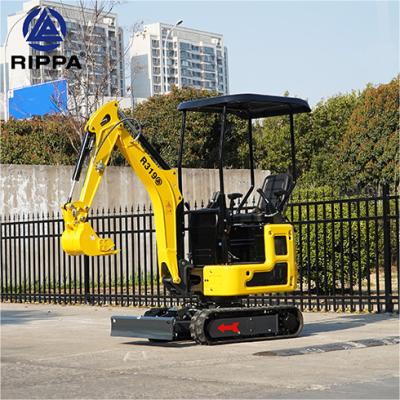
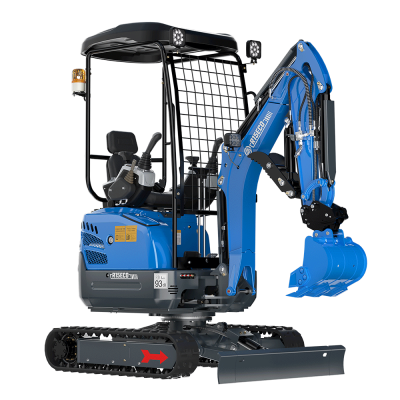
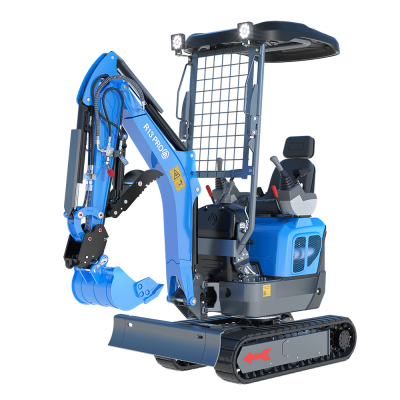
How to Choose a Chinese Mini Excavator Manufacturer for Your Dealership
Choosing a Chinese mini excavator manufacturer is a supply-chain decision, not simply a product search. A strong manufacturing partner should help dealers maintain consistent product quality, select suitable regional configurations, control spare-parts availability, and respond when customers require technical support.
These checks can help importers distinguish a short-term equipment vendor from a manufacturer capable of supporting long-term dealership growth.
Match the Manufacturer to Your Business Model
First define how the machines will be sold. Equipment dealers may need product training, marketing materials, territory planning, and a broad attachment selection. Wholesalers often focus on container utilization and repeatable configurations, while rental companies prioritize service access, fleet standardization, and fast turnaround.
Share the destination country, target industries, expected annual volume, local service capability, and customer price range before requesting a quotation. This helps the manufacturer recommend suitable Chinese mini excavators without relying on unsupported assumptions about the market.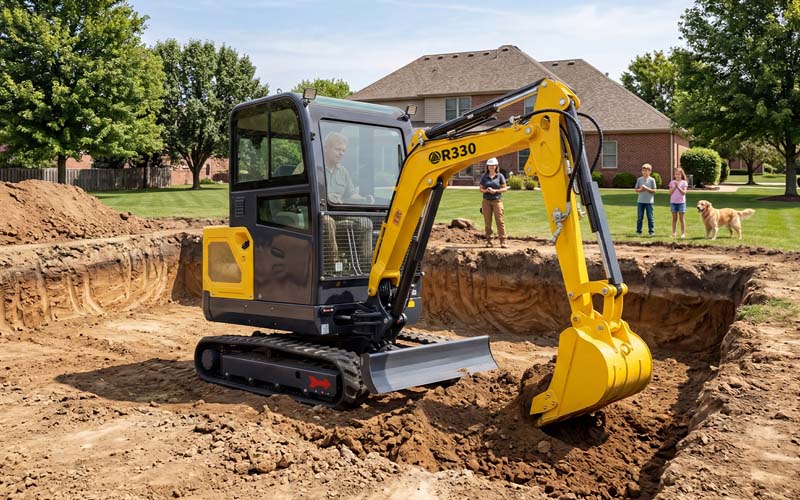
Audit Production, Quality and Documentation
A credible Chinese mini excavator manufacturer should explain how incoming components, assembly, functional testing, final inspection, and export packing are controlled.
Ask for information relevant to the actual order, including factory details, inspection procedures, serial-number identification, operating manuals, parts catalogs, packing methods, and loading plans.
Compliance must be treated as model-specific and market-specific. Engine requirements, labeling, customs documents, safety rules, and certification expectations may differ between countries. Dealers should verify each selected configuration against current local regulations and request the corresponding documents before shipment.
Avoid suppliers that make broad certification claims without identifying the exact machine, configuration, market, and document scope.
Measure the Strength of After-Sales Support
The first sale may be won by the machine, but repeat business is often won by service. Ask how technical questions are handled, how replacement parts are identified, what information is required for warranty claims, and which components should be stocked locally.
Clear responsibilities are especially important when the dealer and manufacturer operate in different languages and time zones.
Before committing to a larger volume, use a trial order to evaluate communication, manufacturing consistency, documentation accuracy, packing quality, and delivery coordination. Record any issues and confirm corrective actions before expanding the relationship.
Compare Dealer Value, Not Only Factory Cost
Dealer profit depends on more than the difference between the factory price and retail price. Consider freight utilization, spare-parts consumption, technician time, warranty exposure, financing costs, inventory turnover, and resale confidence.
RIPPA provides compact machinery options for dealers, distributors, importers, and rental companies. Businesses evaluating RIPPA should request the current product portfolio and discuss order planning, parts preparation, training, branding, logistics, and regional cooperation.
Send RIPPA your market, business type, estimated order volume, service capacity, and delivery port to begin a distributor-focused evaluation. Specifications, certifications, and warranty terms should always be confirmed for the selected machine and destination.