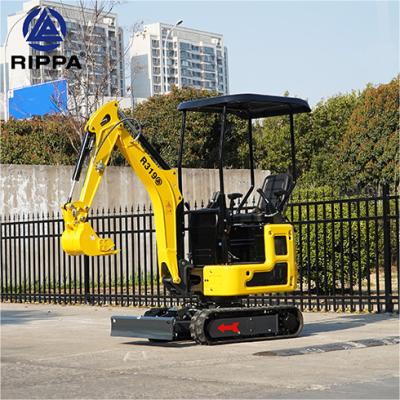
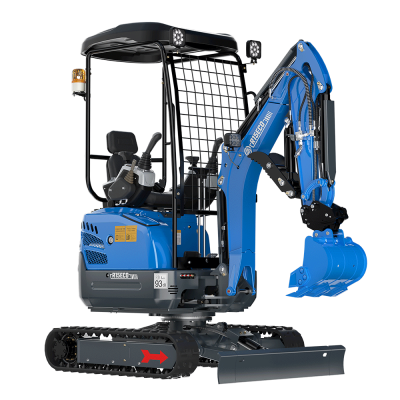
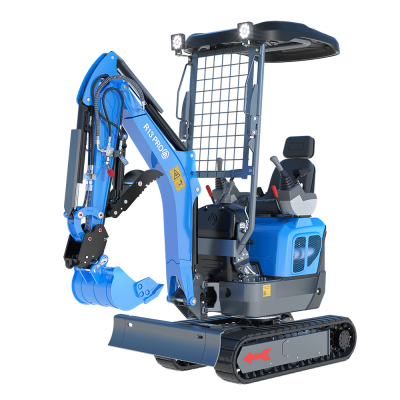
How Deep Should a 1 Ton Mini Excavator Dig?
One of the most common questions buyers ask before purchasing compact excavation equipment is:
How deep should a 1 ton mini excavator dig?
Whether you are a homeowner planning a backyard renovation, a landscaper installing drainage systems, or a contractor working on residential construction projects, digging depth is one of the most important specifications to evaluate.
Choosing a mini excavator with insufficient digging depth may limit future projects, while purchasing a machine that is too large can increase transportation costs, fuel consumption, and maintenance expenses.
In this guide, we will explain how digging depth affects performance, what depth is required for common applications, and why many buyers choose a Rippa mini excavator when searching for a reliable 1 ton excavator.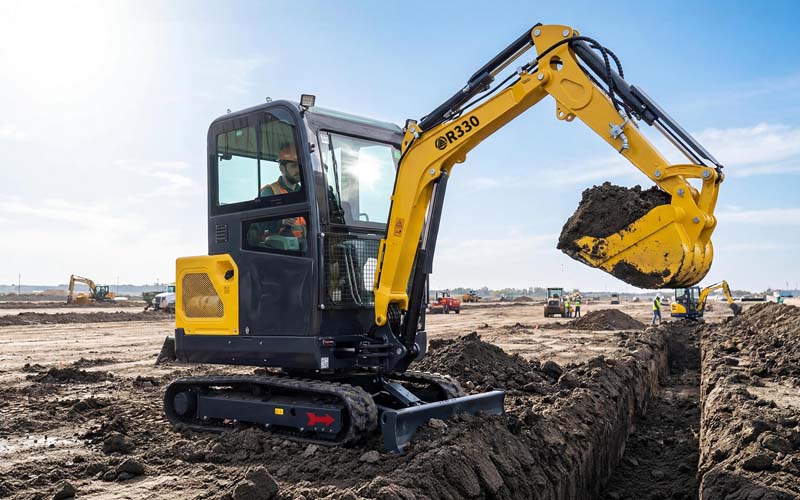
Why Digging Depth Is Important
Digging depth determines how far below ground level an excavator can operate.
This specification directly impacts:
Drainage installation
Utility trench construction
Irrigation systems
Foundation preparation
Landscaping projects
Agricultural applications
Fence installation
For most residential and light commercial projects, a machine capable of digging between 1.5 and 2 meters is generally sufficient.
However, the required depth varies depending on the application.
Common Excavation Depth Requirements
Backyard Drainage Systems
Poor drainage is one of the most common problems faced by homeowners.
Drainage pipes are typically installed between:
300 mm
900 mm
A compact excavator can easily handle this type of work.
Irrigation Installation
Agricultural and landscaping irrigation systems usually require trenches ranging from:
300 mm
1000 mm
Depending on pipe size and local regulations.
Electrical and Utility Lines
Many utility trenches require depths of:
600 mm
1200 mm
A properly sized mini excavator improves efficiency and reduces labor costs.
Small Foundations
Residential foundations and retaining wall projects often require excavation depths between:
1000 mm
1800 mm
This is where a professional-grade compact excavator becomes particularly valuable.
What Is Considered a Good Digging Depth for a 1 Ton Mini Excavator?
Most modern 1 ton mini excavators offer digging depths between:
1500 mm
2000 mm
This range provides enough capability for:
Residential construction
Landscaping
Utility work
Farm maintenance
Machines within this category remain easy to transport while delivering practical excavation performance.
Recommended Model: Rippa Mini Excavator R10 ECO
Among compact excavators available today, the Rippa mini excavator R10 ECO is designed specifically for customers requiring professional performance in a compact package.
R10 ECO Specifications
Operating Weight: 1115 kg
Maximum Digging Depth: 1833 mm
Maximum Digging Radius: 3233 mm
Maximum Digging Height: 3021 mm
Maximum Dumping Height: 2247 mm
Gradeability: 30%
These specifications allow operators to complete the majority of residential and light commercial excavation projects without requiring larger equipment.
Real-World Applications
Residential Construction
Contractors frequently use the Rippa mini excavator for:
Utility trenches
Small foundations
Sidewalk preparation
Retaining wall construction
The machine provides sufficient reach and digging power while remaining highly maneuverable.
Landscaping Projects
Landscape professionals use the R10 ECO for:
Drainage systems
Pond excavation
Tree planting
Irrigation installation
Its compact dimensions allow access to restricted areas without damaging existing landscaping.
Small Farm Operations
Farm owners often require equipment capable of handling:
Water line installation
Drainage ditches
Fence construction
Land preparation
The 1833 mm digging depth of the R10 ECO meets most agricultural requirements.
Why Engine Quality Matters
A mini excavator is only as reliable as its power system.
The Rippa mini excavator utilizes trusted Kubota engine options that provide:
Low fuel consumption
Reliable cold starting
Reduced emissions
Long service life
These benefits help reduce operating costs over the life of the machine.
Hydraulic System Performance
Hydraulic performance plays a major role in excavation efficiency.
The R10 ECO incorporates:
Hydraulic thumb clamp
Mechanical quick hitch
Built-in travel motor
Cylinder protection system
These features improve attachment compatibility and overall productivity.
International Standards and Certifications
Professional buyers should always verify certification compliance.
ISO Standards
Rippa manufacturing facilities operate according to:
ISO 9001
ISO 14001
ISO 45001
CE Certification
CE certification demonstrates compliance with European machinery safety requirements.
EPA Compliance
Engine options support international environmental requirements, including EPA regulations and Stage V standards.
Why Global Buyers Choose Rippa
Rippa has established itself as a trusted supplier of compact construction equipment through:
Extensive export experience
Strict quality control
Comprehensive warranty programs
Global spare parts support
Professional technical assistance
Customers across Europe, North America, Australia, and Southeast Asia rely on Rippa equipment for daily operations.
Frequently Asked Questions
Is 1833 mm digging depth enough?
Yes. For most residential, landscaping, and small agricultural applications, 1833 mm provides more than sufficient excavation capability.
Can a 1 ton mini excavator dig utility trenches?
Absolutely. Most utility installations require trench depths significantly less than the maximum digging depth offered by the R10 ECO.
Is a mini excavator better than manual labor?
In most cases, yes. A mini excavator dramatically reduces project time, labor costs, and physical effort.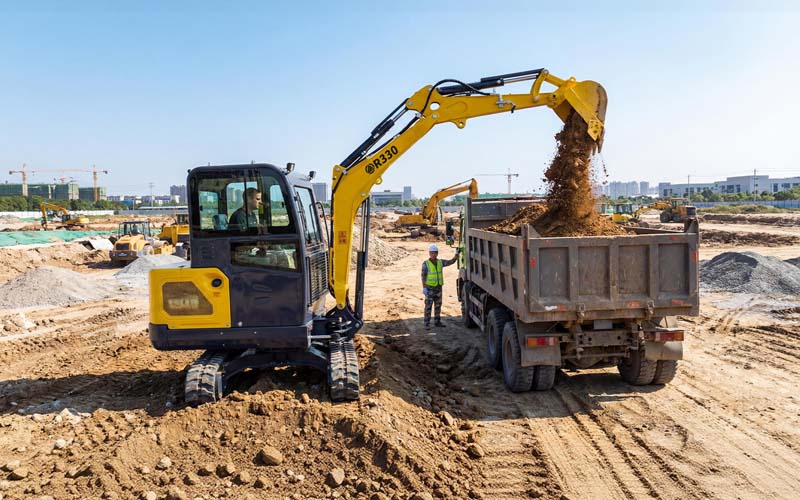
Conclusion
When evaluating how deep a 1 ton mini excavator should dig, the answer depends on your application. For most homeowners, landscapers, contractors, and farmers, a digging depth of approximately 1800 mm offers an excellent balance between capability and machine size.
With its 1833 mm digging depth, reliable Kubota engine options, professional hydraulic system, and international certifications, the Rippa mini excavator R10 ECO remains an excellent choice for buyers seeking compact performance and long-term value.