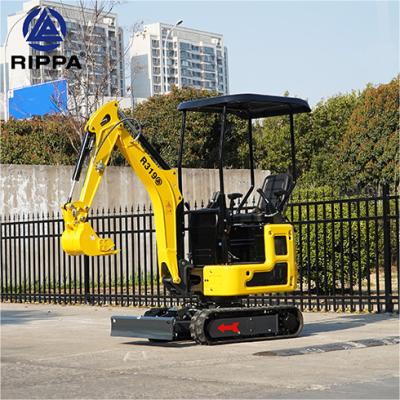
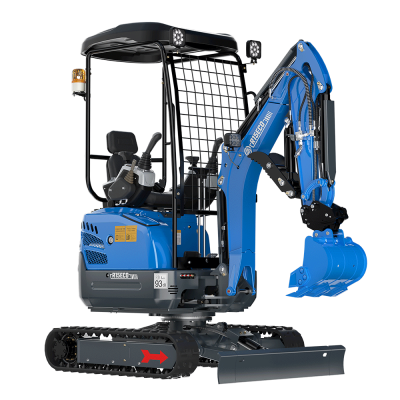
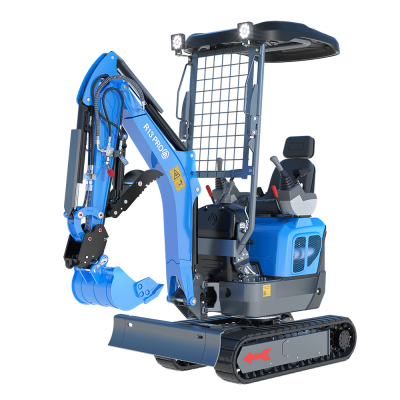
Mini Excavator Distributor Opportunities for Regional Equipment Markets
A mini excavator distributor connects factory supply with local sales, service and customer knowledge. For established machinery companies, rental businesses and importers, the opportunity can be attractive when the product range matches regional demand and the partnership includes realistic inventory, parts and after-sales planning.
What Makes a Market Suitable for Distribution?
Demand should be assessed by application rather than by search volume alone. Residential construction, landscaping, utilities, agriculture and rental fleets may require different machine sizes and attachments. Distributors should study local transport rules, operator preferences, climate, ground conditions and common service expectations before selecting inventory.
Competitor activity is also useful evidence. Review which machine classes are already available, how quickly local suppliers deliver parts and where buyers remain underserved. A new distributor may compete through faster support, a better attachment package or a product mix designed for smaller contractors—not simply through a lower advertised price.
Key Elements of a Mini Excavator Distributor Program
A serious program should define territory, order expectations, payment terms, lead times and sales responsibilities clearly. It should also explain how product updates, technical documents, marketing materials and warranty cases are handled.
Ask whether regional exclusivity is available and what performance conditions apply. Exclusivity without achievable targets can create risk for both parties.
Training and parts planning are essential. Sales teams need to understand job fit and configuration differences, while service teams need manuals, troubleshooting channels and parts identification support. Initial stock should reflect likely maintenance demand as well as machine sales. This allows the distributor to respond quickly during the critical first months of market development.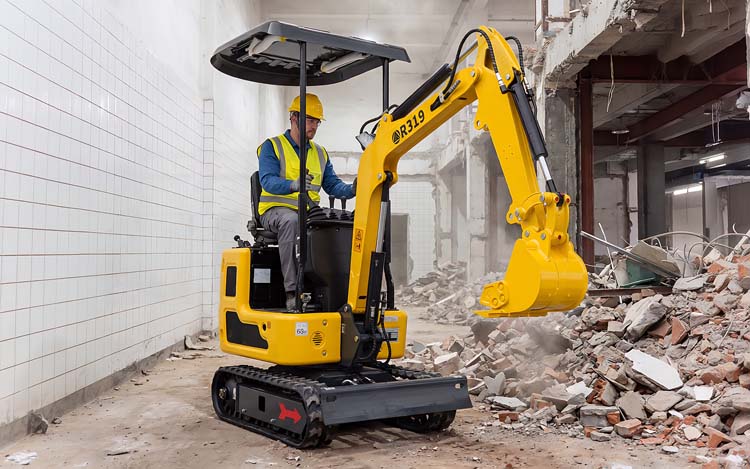
How Distributors Can Build Sustainable Sales
Begin with a focused product mix. A smaller range of carefully selected machines is often easier to demonstrate, stock and service than too many configurations. Pair machines with attachments relevant to local work, then classify inquiries by application, budget range and purchase timeline. This produces better data for the next inventory decision.
Rental demonstrations, contractor visits, trade events and localized product pages can help potential buyers evaluate the equipment. Online content should answer practical questions about applications, transport, maintenance and support. Specifications must come from current model documents, particularly when engine or compliance options differ by country.
Discussing Distribution with RIPPA
RIPPA works with B2B buyers seeking machinery supply and regional cooperation. The appropriate arrangement depends on the target country, sales network, service capacity, expected volume and selected products. Certifications, configurations, delivery schedules and warranty terms should be verified for each model and destination.
Companies interested in becoming a mini excavator distributor can prepare a short market profile covering territory, existing channels, annual sales expectations, service resources and required attachments. Sharing this information with RIPPA enables a more useful discussion about product fit, dealer support and a practical market-entry plan.