Mini Excavator Dealer Program: How to Build a Strong Local Equipment Business
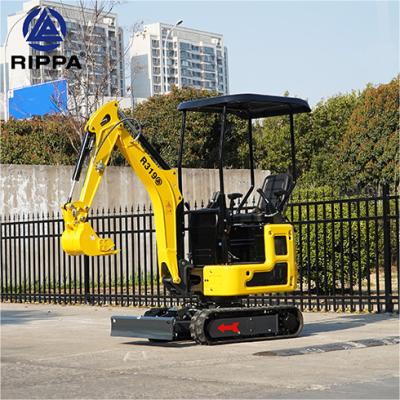
Becoming a mini excavator dealer requires more than adding another machine to a catalog. A successful dealership needs products suited to local jobs, dependable parts support and a manufacturer that responds after delivery. A structured excavator dealer program provides a stronger foundation than one-time trading.
What Dealers Should Evaluate Before Signing
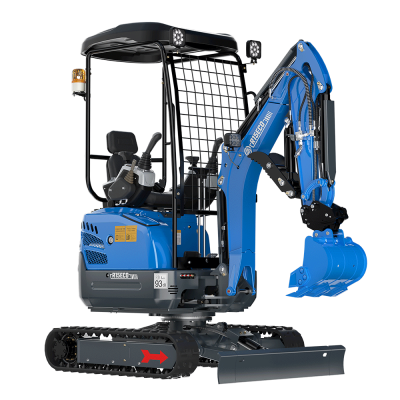
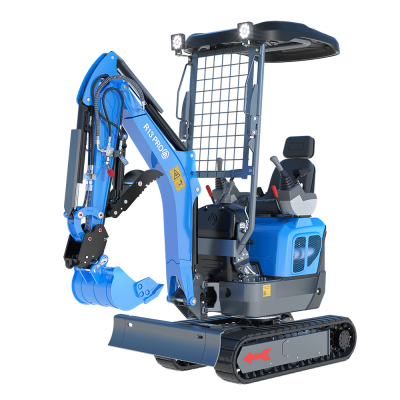
The first question is whether the product range matches real demand. Landscaping contractors may prioritize compact dimensions and attachment flexibility, while farms, rental fleets and utility crews may require different configurations. A good supplier should help the dealer select marketable machines instead of encouraging an oversized first order.
Dealers should examine commercial terms carefully. Ask about minimum order quantities, sample options, territory arrangements, production schedules, warranty procedures and parts availability. These details affect inventory turnover and customer confidence. Brochures cannot replace clear documentation and responsive technical communication.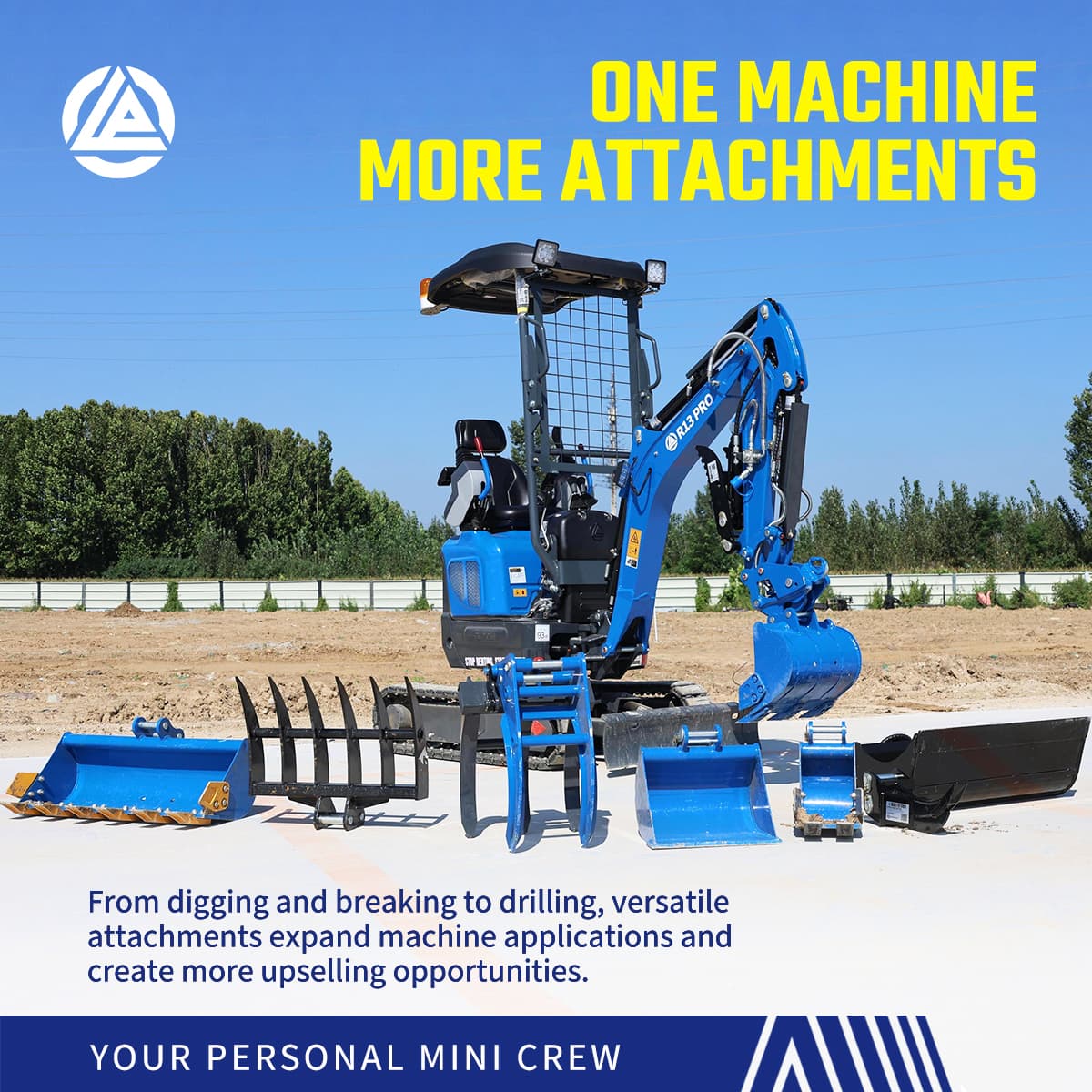
Why After-Sales Capacity Protects Dealer Reputation
Local buyers contact the dealer first for maintenance guidance or replacement parts. A mini excavator dealership should confirm which service items can be stocked locally, how technical cases are submitted and how quickly the factory responds. Parts catalogs and troubleshooting support help sales teams work efficiently.
A reliable program should also respect regional requirements. Engine options, safety labels, manuals and compliance documents can vary by destination. Dealers should verify the configuration and applicable documentation for their own market before placing an order or promoting a model.
Building Demand Beyond the First Sale
Strong dealerships sell solutions rather than isolated machines. Buckets, augers, breakers and grapples expand the jobs one excavator can perform. Demonstrations and local jobsite videos make that value easier to understand. Parts and service create repeat contact after purchase.
RIPPA works with equipment businesses exploring dealer and distribution opportunities in different markets. Cooperation can include product selection, marketing materials, order planning and after-sales coordination according to the partner's needs. Before joining any mini excavator dealer program, compare the complete business package—not only the purchase price. A program that supports inventory, service and local market development gives a dealer a better chance to grow sustainably.