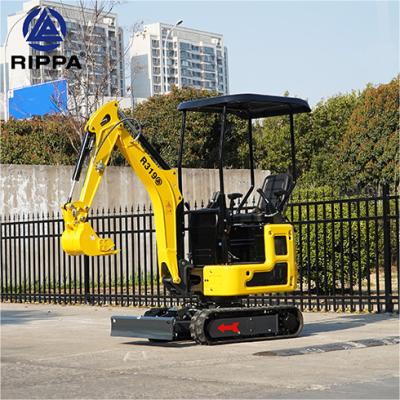
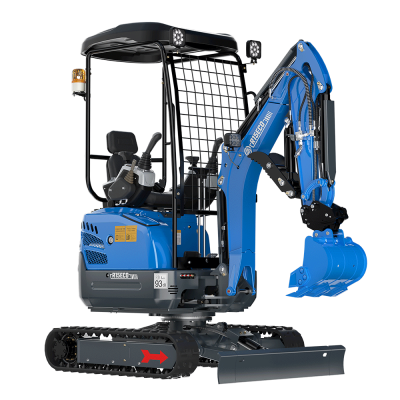
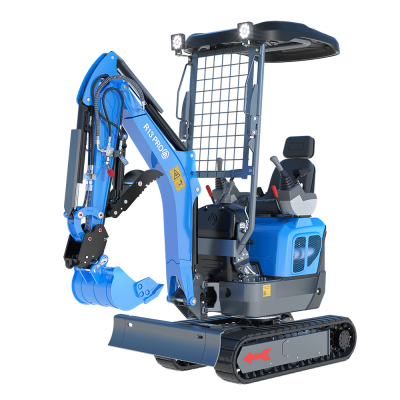
Mini Excavator Dealer Guide: Building a Profitable Local Equipment Business
A successful mini excavator dealer does more than display machines and quote prices. Dealers create value by matching equipment to local jobs, maintaining parts access, supporting operators, and helping buyers control ownership costs. Before joining a mini excavator dealership, evaluate both the product opportunity and the manufacturer’s ability to support growth after the first order.
What Makes a Strong Excavator Dealer Program?
An effective excavator dealer program should define territory, order expectations, sales support, warranty procedures, training, and parts responsibilities. Ask whether the manufacturer supplies technical documents, lead support, and launch materials. These resources help sales teams introduce the brand and answer buyer questions consistently.
Territory rules need clear language. A dealer should know whether the market is exclusive, performance-based, or open to several partners. Confirm how online inquiries are assigned and whether direct factory sales can occur nearby. Written rules prevent channel conflict.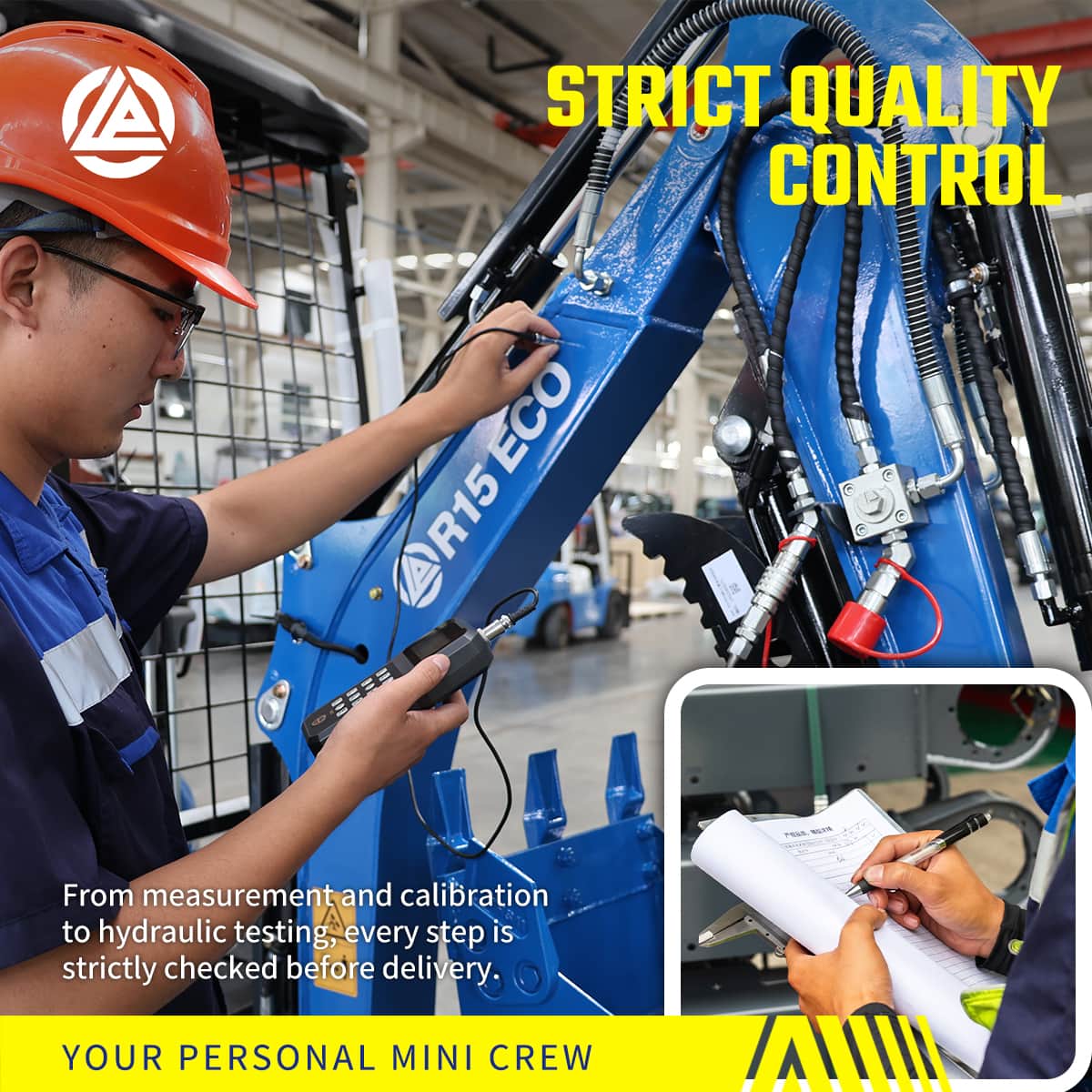
Choose Products for the Local Customer Base
The right product mix depends on local applications. Landscaping companies may value compact transport and attachment changes, while rental fleets often focus on simple operation, durable components, and fast service access. Contractors working in narrow residential sites may have different priorities from agricultural customers managing drainage, fencing, or property maintenance.
A practical opening order can combine fast-moving machines, common buckets, and a focused set of attachments. Stock planning should reflect seasonal demand, transport limits, workshop capacity, and replenishment time.
Protect Margin Through Service and Parts
Machine margin is only one part of the business. Parts, maintenance, attachments, repeat purchases, and referrals can produce long-term value. Before signing, review parts lead times, recommended stock lists, warranty claim steps, diagnostic support, and technician training. A low purchase price offers little advantage if one missing component keeps a customer’s machine idle.
RIPPA works with B2B partners seeking a structured route into the compact equipment market. Prospective dealers should discuss target territory, expected customer groups, order planning, local compliance needs, and after-sales capability before selecting products. The best mini excavator dealer relationship is built on realistic demand, transparent responsibilities, and support that continues after delivery.