Are Chinese Mini Excavators Worth Buying for Wholesale Import?
Chinese mini excavators can be worth considering for wholesale import when the manufacturer offers suitable equipment, transparent pricing, consistent quality control, and a clear support process. For importers and machinery distributors, the decision should be based on total purchasing cost and business requirements rather than the factory price alone.
Compact excavators serve a wide range of applications, including landscaping, residential construction, agricultural maintenance, utility work, and small excavation projects. Importers can evaluate Chinese suppliers as part of a broader sourcing strategy, provided they verify the equipment, confirm destination-market requirements, and plan for after-sales support.
Why Importers Consider Chinese Mini Excavators
One reason buyers explore Chinese manufacturers is the opportunity to compare multiple suppliers and product configurations within a large manufacturing market.
Depending on the manufacturer, importers may find options suited to different customer segments, purchasing volumes, and distribution strategies. Direct communication with a factory may also help buyers clarify configuration requirements and discuss repeat orders.
However, manufacturing origin alone does not establish product quality or commercial value. Suppliers differ in production processes, component sourcing, inspection standards, export experience, and customer service.
Importers should evaluate each supplier individually rather than assuming that every Chinese mini excavator offers the same benefits.
Compare Total Landed Cost Before Purchasing
The factory quotation is only the starting point for an import decision.
A wholesale cost assessment should include the machine price, export packaging, international freight, insurance, customs duties, port handling, inland transportation, and other applicable expenses. The exact cost structure depends on the destination, shipment terms, and import arrangements.
For US buyers, customs classifications, duties, and applicable regulatory requirements should be verified before placing an order.
Importers should also account for inventory financing, storage, local delivery, advertising, spare parts, and customer support. These expenses can have a meaningful effect on the final selling price and expected profit margin.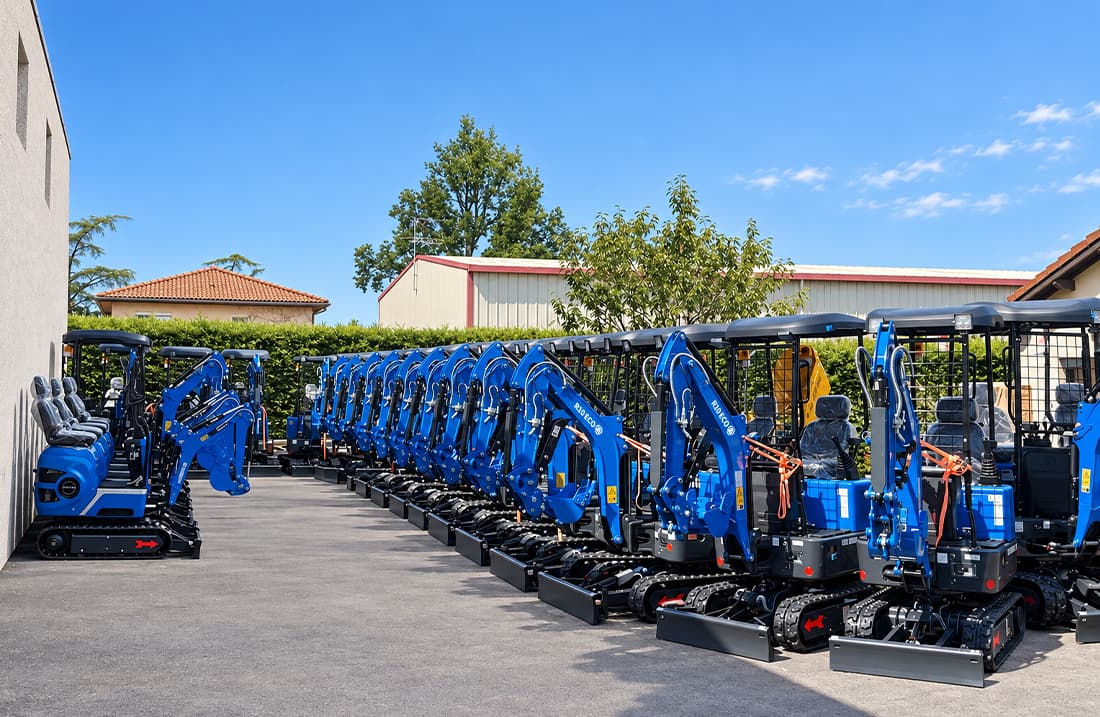
Build a Realistic Cost Comparison
Request quotations from multiple suppliers using the same product configuration and order quantity. Confirm what is included in each offer and identify any excluded costs.
Compare the suppliers using a consistent calculation:
Total landed cost = Purchase cost + Logistics costs + Import costs + Other applicable delivery expenses
This calculation provides a more useful basis for comparison than the machine price alone. For resale businesses, the next step is to compare landed cost with realistic local selling prices and expected operating expenses.
Verify the Manufacturer Before Making a Large Order
Supplier verification is essential when purchasing equipment from overseas.
Confirm the legal identity of the seller, the location of the manufacturing facility, the company's role in production, and the process used to inspect finished machines. Request product documentation and written confirmation of the agreed configuration.
For larger shipments, consider an independent pre-shipment inspection based on criteria agreed upon before production. Keep records of inspection findings and clarify how any discrepancies will be resolved.
Payment arrangements should also be reviewed carefully. Ensure that the purchase contract identifies the correct legal entities, payment milestones, delivery responsibilities, and procedures for handling disputes.
Plan Shipping and Import Documentation
International equipment purchases require coordination between the supplier, freight forwarder, customs broker, and importer.
Before production begins, establish the expected shipment schedule, packaging arrangements, shipping responsibilities, and required documentation. Confirm who will arrange transportation and who will manage customs clearance.
Importers should not assume that a supplier's general export experience automatically confirms compliance in every destination market. Requirements can depend on the machine configuration, engine, intended application, and local regulations.
Resolve these questions before shipment to reduce the risk of unexpected costs or delays.
Prepare for Parts and After-Sales Requirements
A wholesale business needs a plan for supporting machines after customers receive them.
Ask the manufacturer how replacement parts are identified and ordered, whether parts documentation is available, and how technical questions are handled. Clarify warranty coverage, exclusions, claim procedures, and the allocation of shipping or labor costs.
Importers serving a regional dealer network may also need to establish an initial spare parts inventory. The appropriate selection depends on the equipment sold, local service capability, and expected customer requirements.
Reliable communication and documented procedures can make overseas supplier relationships easier to manage.
When Does Wholesale Import Make Sense?
Wholesale importing may be appropriate for businesses with identifiable customer demand, sufficient working capital, and the ability to manage inventory and after-sales responsibilities.
A small initial order can help an importer assess product condition, documentation quality, delivery coordination, and supplier responsiveness before increasing purchasing volume.
Businesses without a clear sales channel or service plan should evaluate these operational challenges before committing to a large shipment.
Choose a Supplier for Long-Term Value
The best Chinese mini excavator for wholesale import is one that meets market requirements while offering a workable balance of landed cost, product consistency, logistics, and supplier support.
A structured purchasing process helps importers compare manufacturers fairly, identify risks early, and establish clearer expectations for future orders.
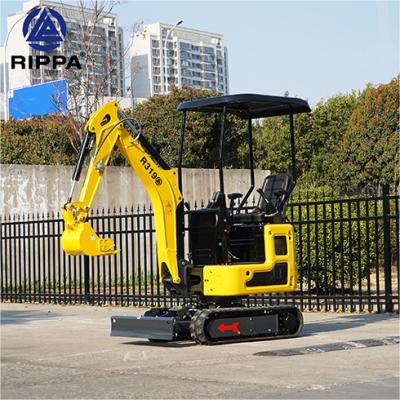
Review Rippa mini excavator models to explore available equipment. Contact the supplier to discuss wholesale quantities, product documentation, shipping arrangements, and potential distribution cooperation before making a purchasing decision.