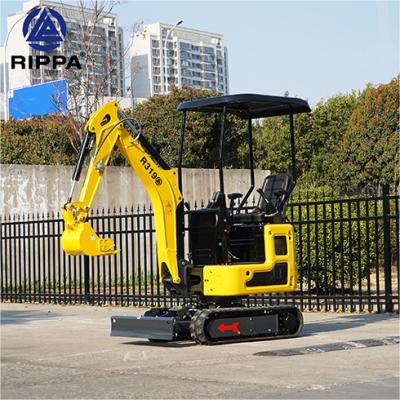
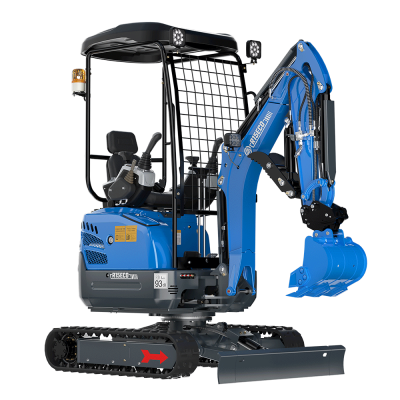
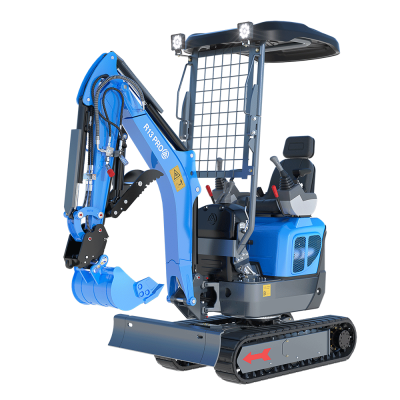
Best Chinese Mini Excavator for Equipment Dealers and Distributors
For equipment dealers, the best Chinese mini excavator is one that matches local customer demand, offers a competitive landed cost, and comes from a manufacturer capable of supporting repeat purchases. Selecting equipment for resale requires a different approach from buying a machine for a single construction project. Dealers must consider inventory turnover, customer expectations, parts availability, and the reliability of the supplier relationship.
Chinese mini excavators can help distributors expand their compact equipment offerings for landscaping, agricultural work, residential construction, and property maintenance. The key is to select a product range that fits the local market instead of purchasing inventory based on price alone.
Understand Your Target Market Before Ordering
Before contacting manufacturers, identify the types of customers your dealership intends to serve.
Landscaping contractors may prioritize maneuverability and suitability for work in confined spaces. Agricultural customers may need equipment for drainage maintenance, small excavation projects, and general property work. Construction contractors may place greater importance on machine availability, attachment compatibility, and access to replacement parts.
These differences affect which products a dealer should stock and how they should be marketed.
Review local competitors, customer inquiries, common applications, and the availability of servicing facilities. This research helps establish a more realistic purchasing plan and reduces the risk of ordering products that do not fit local demand.
Choose a Product Range That Supports Repeat Sales
Dealers do not necessarily need to stock every machine offered by a manufacturer. A focused selection can make inventory management and customer communication easier.
When comparing Chinese mini excavators, consider the intended application, machine configuration, transport arrangements, attachment options, and customer service requirements.
Ask manufacturers to explain the differences between their product lines and identify which configurations are appropriate for your target customers. Confirm that the information provided matches the actual machines being quoted.
A supplier with a suitable range of compact equipment may also make it easier to expand the dealership over time without introducing an entirely new supply relationship.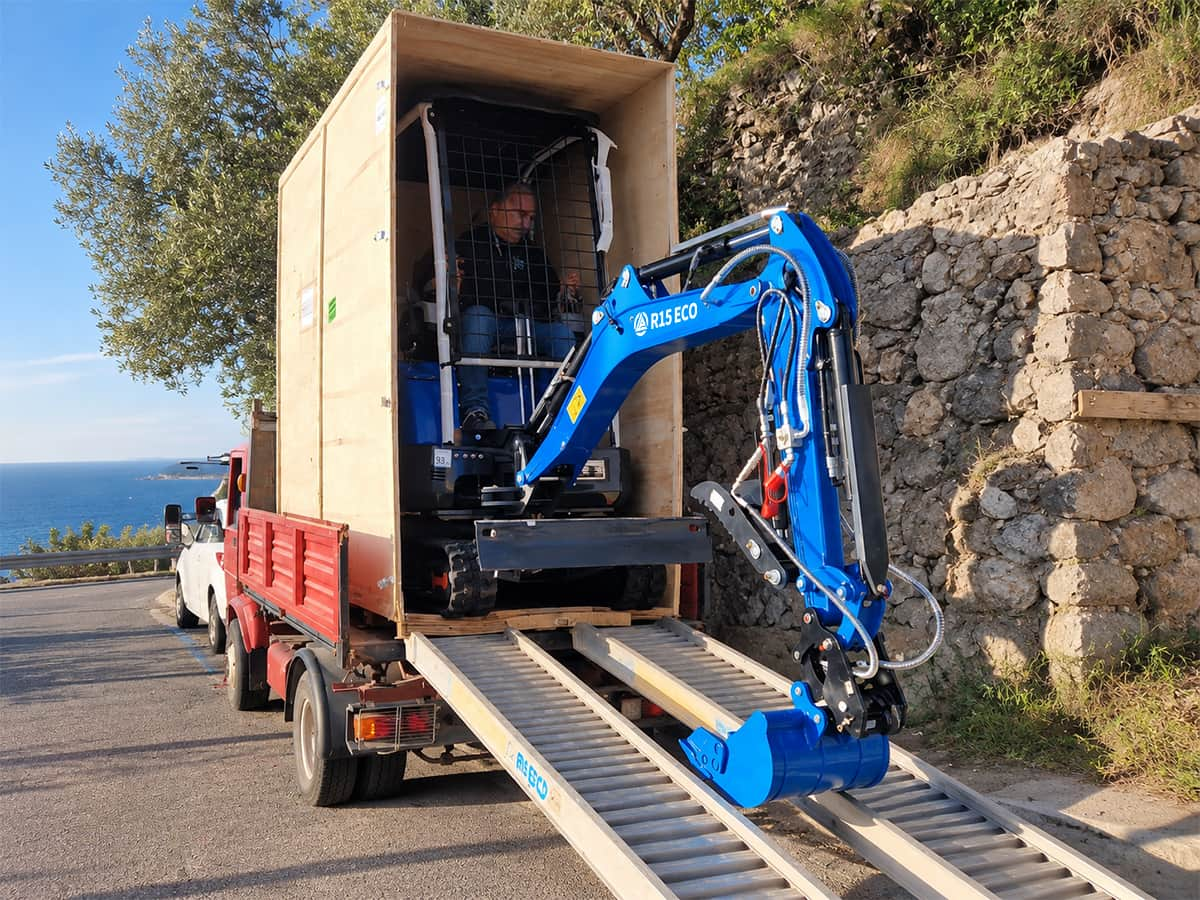
Evaluate the Business Behind the Machine
A distributor depends on more than product availability. The manufacturer's commercial practices can influence the dealership's ability to operate consistently.
Production and Order Planning
Ask whether the supplier can provide clear production schedules, order confirmations, and shipment updates. Dealers need reliable information to coordinate incoming inventory with customer demand.
Discuss minimum order quantities, lead times, repeat-order procedures, and how production changes are communicated. These details are particularly important when planning seasonal inventory.
Parts and Technical Support
After-sales support can influence whether customers return to the same dealership for future purchases.
Ask how replacement parts are identified, ordered, and shipped. Determine what technical information is available and how the manufacturer handles warranty claims. Dealers should also understand which maintenance tasks can be handled locally and when specialist assistance may be necessary.
Marketing Resources
Product photographs, accurate descriptions, manuals, and application information can help dealers create useful local sales materials.
Confirm what resources the supplier can provide and whether the dealership has permission to use them. Avoid publishing unsupported performance claims or technical information that has not been verified.
Calculate Dealer Profitability Beyond the Purchase Price
A wholesale price alone cannot show whether a mini excavator is commercially attractive.
Dealers should calculate the expected landed cost, including freight, insurance, customs-related expenses, inland transportation, and other applicable charges. Additional business costs may include inventory financing, storage, demonstrations, advertising, parts stocking, and customer support.
A basic pricing assessment should compare expected selling prices with the full cost of acquiring and supporting the equipment.
Consider several scenarios rather than relying on a single optimistic sales forecast. Slower inventory turnover, unexpected freight expenses, or additional service costs can reduce the expected margin.
Questions to Ask a Potential Manufacturer
Before establishing a distribution relationship, clarify the following:
What wholesale purchasing arrangements are available?
Are minimum order quantities flexible for an initial order?
Can the supplier support repeat orders with consistent configurations?
What spare parts and technical documentation are available?
Does the manufacturer provide product training or marketing materials?
Are regional dealer arrangements or territory protection available?
How are customer inquiries and warranty claims handled?
If territory protection is part of the proposal, request written conditions covering the territory, duration, sales obligations, and any exceptions.
Build a Long-Term Supplier Relationship
A successful dealership depends on consistent communication and clearly defined responsibilities. Begin with a realistic purchasing plan, agree on inspection requirements, and document the commercial terms before placing an order.
After delivery, evaluate product condition, documentation, parts response, and the supplier's handling of questions. Use these results to determine whether the relationship is suitable for larger future orders.
The best Chinese mini excavator for a dealer is not simply the least expensive option. It is equipment that fits the local market and can be supported by a manufacturer with suitable production, communication, and service capabilities.
Explore Dealer Opportunities
Businesses looking to expand their compact equipment portfolio can review Rippa mini excavator models and discuss wholesale purchasing or distribution requirements directly with the supplier.
Before making an investment, compare the available product range, landed cost, supplier support, and local demand. A well-planned sourcing strategy provides a stronger foundation for sustainable dealership growth.