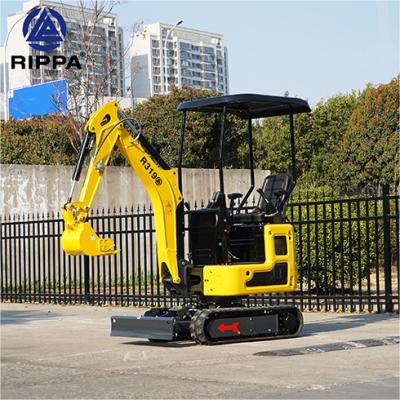
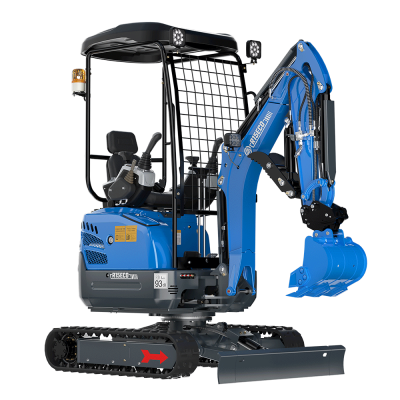
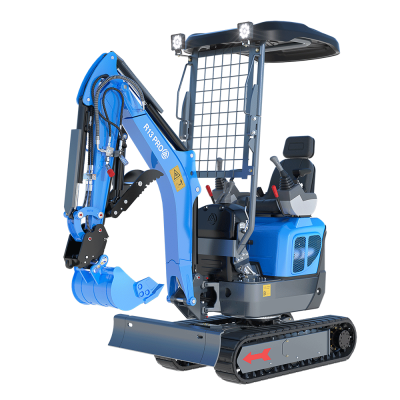
Chinese Mini Excavator Factory: What Importers Need to Know
Choosing a Chinese mini excavator factory requires more than finding a supplier with competitive prices. Importers and equipment distributors need to understand how the factory operates, how products are inspected, and whether the manufacturer can support consistent supply over time.
A factory's production capabilities, documentation, communication, and commercial procedures can all affect the outcome of an international order. Verifying these factors before signing a contract helps buyers make informed sourcing decisions.
What Makes a Reliable Mini Excavator Factory?
A reliable factory should be able to explain its manufacturing processes, demonstrate how quality is controlled, and provide clear information about ordering and delivery.
Importers should distinguish between manufacturers that operate their own production facilities and trading companies that source equipment from other businesses. Both may serve legitimate commercial needs, but buyers should understand who actually manufactures the machines and who is responsible for resolving production-related issues.
Useful evidence includes factory inspection records, production information, product documentation, and a clear explanation of the company's role in the supply chain.
1. Verify the Factory's Production Capabilities
Before requesting a large quotation, ask the supplier to explain its manufacturing operations.
Important questions include:
Which production and assembly processes are completed in-house?
Which components are purchased from external suppliers?
How are production schedules planned and monitored?
Can the factory accommodate repeat orders?
How are changes in product configuration managed?
A factory tour, live video inspection, or independent audit can help verify the information provided. Pay attention to whether the supplier can explain its processes clearly rather than relying only on promotional photographs.
Production capacity should also be assessed in relation to your actual order requirements. A factory may offer a broad product range but still need additional time to accommodate a specific quantity or configuration.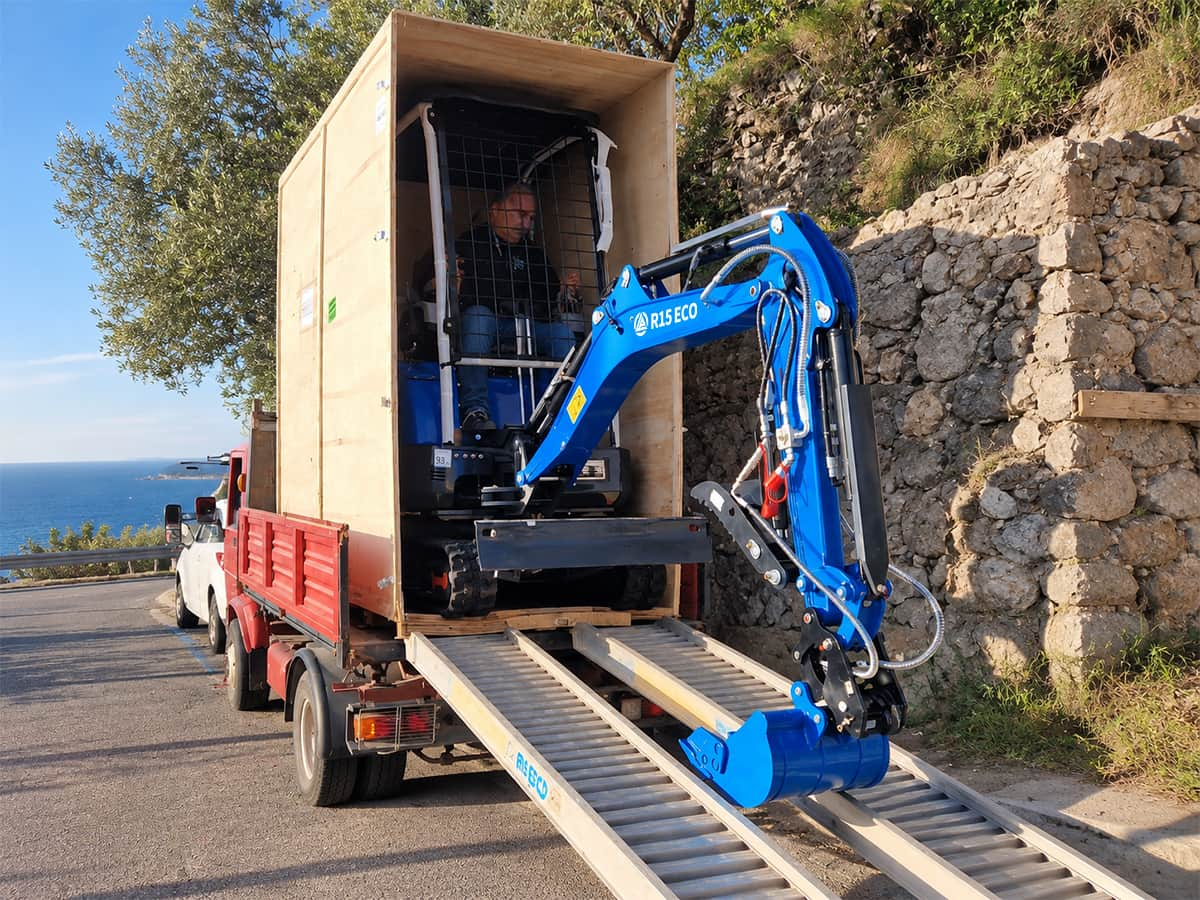
2. Understand the Quality Inspection Process
Quality management is particularly important for importers selling equipment under their own distribution business. Inconsistent products can increase customer complaints, replacement costs, and pressure on dealer relationships.
Ask the manufacturer how it checks components, monitors assembly, and inspects completed machines before shipment. Request examples of inspection records or checklists where available.
Buyers should also establish how defects are recorded, investigated, and resolved. The purchase agreement should define the inspection scope, acceptance criteria, and procedures for handling nonconforming products.
For significant orders, consider an independent pre-shipment inspection. Agree on the inspection requirements in advance so both parties understand what constitutes acceptance.
3. Check Documentation and Export Readiness
Manufacturing equipment for international markets involves administrative and logistical requirements as well as production.
Before placing an order, confirm whether the factory or its export team can coordinate the documentation required for your transaction. Depending on the destination and shipping arrangement, this may include commercial invoices, packing lists, transport documents, and relevant product compliance records.
Importers should independently verify local customs procedures, duties, taxes, and applicable equipment regulations. Requirements vary between markets, and the availability of a document does not automatically establish compliance with every local rule.
Also clarify who is responsible for freight booking, cargo insurance, customs documentation, and communication with the freight forwarder.
4. Evaluate the Factory's Order Management
A professional supplier should provide a clear process from quotation through shipment.
Before signing a contract, confirm the order quantity, product configuration, payment schedule, production lead time, delivery terms, and procedures for approving changes. Ensure that important commitments are documented rather than discussed informally.
Ask how production updates will be communicated and who your contact will be if a delay occurs. Clear responsibility is especially important when purchasing multiple machines or coordinating deliveries for several customers.
A practical order-management process makes it easier for your purchasing team to plan inventory and communicate realistic delivery expectations to buyers.
5. Compare Factories Using Commercial Value
The lowest quotation is not necessarily the most competitive option. A useful comparison should consider the full transaction and the potential cost of supply problems.
| Evaluation area | What to verify |
|---|---|
| Production | Manufacturing processes and capacity |
| Quality | Inspection methods and corrective procedures |
| Documentation | Export records and applicable compliance information |
| Delivery | Production schedule and shipping responsibilities |
| Communication | Order updates and problem escalation |
| Long-term supply | Repeat-order planning and parts availability |
Compare suppliers using the same requirements. This reduces the risk of choosing a quotation that appears cheaper only because important services or responsibilities have been excluded.
6. Start with a Verifiable Order
Before developing a long-term purchasing relationship, consider beginning with an order that matches your market demand and available capital.
Use the first shipment to assess product condition, documentation accuracy, delivery performance, and the manufacturer's response to questions. Record any discrepancies and discuss corrective actions before increasing order volumes.
If the initial transaction meets your expectations, establish a forward-looking purchasing plan. Share realistic demand forecasts, discuss replenishment schedules, and clarify how future orders will be handled.
Businesses evaluating potential suppliers can review RIPPA mini excavator models and contact the company to confirm current product availability, purchasing conditions, and export arrangements.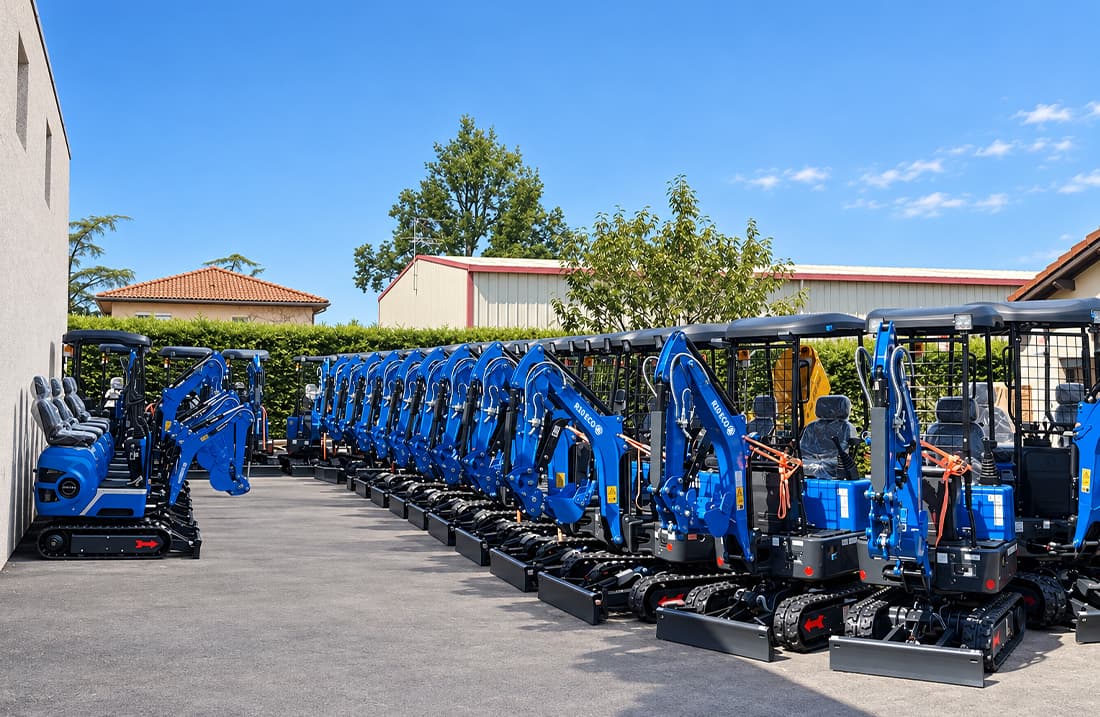
Frequently Asked Questions
How can I confirm that a Chinese mini excavator factory is genuine?
Request information about its production facilities, manufacturing processes, and business registration. Where possible, arrange an on-site visit, live video inspection, or independent factory audit.
Should I visit the factory before ordering?
A visit can provide useful insight into manufacturing and quality procedures, especially for substantial or recurring purchases. If travel is impractical, remote inspections and independent verification can provide additional evidence.
What should be included in a factory purchase agreement?
Document product configuration, quantities, pricing, payment terms, production schedules, shipping responsibilities, inspection requirements, and procedures for resolving quality disputes.
Can a factory guarantee consistent quality across repeat orders?
No supplier should be evaluated solely on a general promise. Discuss documented quality procedures, approved product configurations, inspection records, and corrective-action processes to understand how consistency is maintained.
Conclusion
Evaluating a Chinese mini excavator factory requires verification of production capabilities, quality procedures, export readiness, and order management. For importers and distributors, a structured assessment followed by a carefully documented first order can reduce sourcing uncertainty and provide a stronger foundation for long-term supplier cooperation.