Chinese Mini Excavator Manufacturers: A B2B Buyer’s Guide
Choosing a Chinese mini excavator manufacturer requires more than comparing quotations. Importers, equipment dealers, and distributors need to evaluate production capabilities, product consistency, export experience, and the supplier’s ability to support long-term business growth. A suitable manufacturing partner can help businesses build a competitive product portfolio, manage purchasing costs, and serve customers more reliably.
Why Do B2B Buyers Consider Chinese Mini Excavator Manufacturers?
Chinese manufacturers offer a broad selection of compact construction equipment for landscaping, agriculture, property maintenance, and small construction projects. For international buyers, working directly with a manufacturer may also create opportunities for more flexible product selection and closer communication during the purchasing process.
However, not every supplier operates at the same level. Some specialize in manufacturing, while others primarily trade equipment produced by different factories. Understanding this distinction helps buyers identify suppliers whose capabilities match their commercial requirements.
For distributors, the objective should be to find a supplier that can support repeat orders, maintain consistent product quality, and respond to changing market demand—not simply the lowest initial price.
How to Evaluate a Mini Excavator Manufacturer
Before requesting a large order, assess potential suppliers against several practical criteria.
1. Verify Manufacturing Capabilities
Ask whether the company manufactures equipment directly or sources products from other factories. Request information about its production facilities, assembly processes, quality inspection procedures, and product range.
Where possible, arrange a factory visit or live video inspection. Review how components are assembled, how finished machines are inspected, and how production issues are handled. These steps provide more useful evidence than relying exclusively on product photos or promotional claims.
2. Examine Quality Control Procedures
Product consistency matters when machines are sold under a dealer’s name or supplied to multiple customers. Ask how the manufacturer checks incoming components, assembly quality, machine operation, and final product condition.
Buyers should also clarify how defects are documented and resolved. A clearly defined process for handling quality concerns can reduce uncertainty when importing equipment across international markets.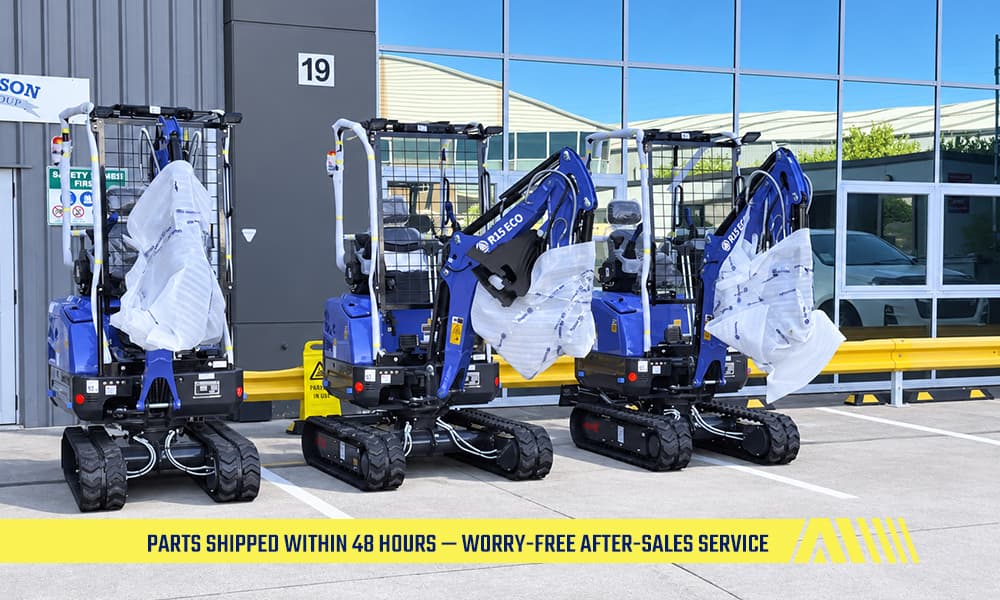
3. Assess Export and Documentation Experience
International purchasing involves more than manufacturing. Confirm whether the supplier can provide the commercial invoices, packing lists, shipping documentation, and other records required for the intended transaction.
Importers should independently verify applicable customs requirements, product regulations, and certification requirements in their destination markets. Requirements can differ by country and equipment configuration, so they should be confirmed before placing an order.
4. Review Communication and After-Sales Support
A reliable supplier should be able to explain ordering procedures, delivery arrangements, spare-parts availability, and the process for handling technical questions.
For distributors, communication speed and clarity directly affect customer service. Ask who will manage your account, how requests are escalated, and what documentation is available to help your team support end users.
Questions to Ask Before Placing an Order
A structured supplier evaluation helps avoid misunderstandings. Before signing a purchase agreement, ask:
Which products are manufactured in-house, and which components are sourced externally?
What inspection procedures apply before shipment?
What are the minimum order requirements and payment terms?
How are lead times confirmed and production delays communicated?
Which spare parts and technical documents can be supplied?
How are quality claims reviewed and resolved?
Can the supplier support repeat orders as demand increases?
Request written answers where possible. Important commercial terms should appear in the purchase agreement rather than remain informal promises.
How to Compare Manufacturers Beyond Price
A lower quotation does not necessarily represent a lower total purchasing cost. Buyers should compare the full transaction, including equipment price, shipping, insurance, customs duties, taxes, local compliance costs, and expected inventory expenses.
Consider the following factors when comparing suppliers:
| Evaluation factor | What B2B buyers should check |
|---|---|
| Manufacturing | Verified production and assembly capabilities |
| Quality | Documented inspection and defect-handling procedures |
| Commercial terms | Clear quotations, payment conditions, and lead times |
| Logistics | Export experience and shipping coordination |
| Support | Parts availability and defined service procedures |
| Scalability | Ability to accommodate repeat orders and demand changes |
Use the same evaluation criteria for every shortlisted supplier. This makes comparisons more objective and helps purchasing teams explain their decisions internally.
Why Long-Term Supplier Relationships Matter
For equipment dealers and importers, the first shipment is only the beginning. A successful partnership depends on consistent product availability, predictable communication, transparent commercial terms, and a practical approach to resolving problems.
Start with an order size that matches your market knowledge and inventory capacity. Evaluate the delivered equipment, customer feedback, documentation, and supplier responsiveness before expanding purchasing volumes.
As demand grows, discuss sales forecasts, replenishment schedules, spare-parts planning, and product training. These discussions help both parties prepare for growth without committing to inventory that the market may not absorb.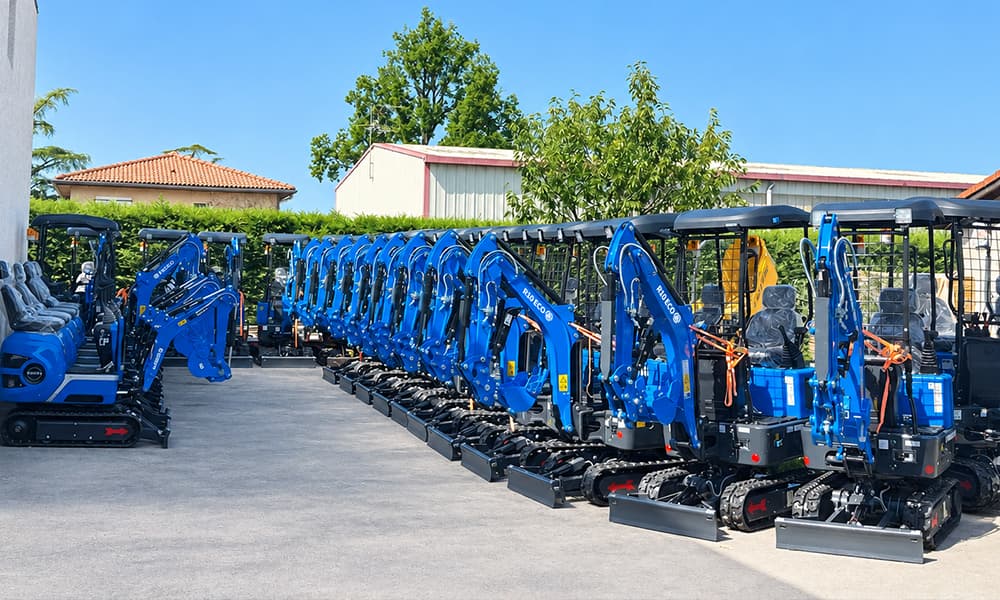
Working with RIPPA
RIPPA Group supplies construction equipment for international markets, including mini excavators. Businesses evaluating equipment for resale can review the RIPPA mini excavator models to understand the available product range and identify options relevant to their customers.
Before entering a purchasing agreement, B2B buyers should confirm current product availability, order conditions, shipping arrangements, and applicable support terms directly with the supplier.
Frequently Asked Questions
How can I verify a Chinese mini excavator manufacturer?
Review its factory operations, production processes, inspection procedures, export documentation, and commercial references. A factory visit or live inspection can help verify claims before a substantial order.
Is buying directly from a manufacturer always cheaper?
Not necessarily. Direct purchasing may reduce intermediary costs, but the final result depends on order volume, logistics, payment terms, quality, and after-sales arrangements. Compare the total landed cost rather than the quoted machine price alone.
What should importers confirm before ordering?
Confirm product specifications, quantity, payment terms, delivery schedule, inspection requirements, shipping responsibilities, documentation, and procedures for resolving quality disputes. Put the agreed terms in writing.
How can distributors build a reliable supply relationship?
Begin with a manageable order, evaluate actual delivery and product performance, maintain regular communication, and establish a realistic replenishment plan. Increase order volumes only when market demand and supplier performance justify expansion.
Conclusion
Selecting among Chinese mini excavator manufacturers is a business decision that affects product quality, inventory planning, customer satisfaction, and future growth. By verifying manufacturing capabilities, comparing total purchasing costs, and establishing clear commercial terms, importers and distributors can make better-informed sourcing decisions and build more sustainable supply relationships.