Buying Chinese Mini Excavators in Bulk: A Guide for Importers
Buying Chinese mini excavators in bulk can help equipment importers, wholesalers, and regional distributors build inventory and serve more customers. However, a successful bulk purchase requires careful planning. Buyers must balance order quantities, market demand, shipping costs, product consistency, and cash flow before committing to a shipment.
The best approach is to calculate the total cost of importing each machine, verify the supplier's production capacity, and establish clear order terms before increasing purchasing volume.
1. Estimate Demand Before Setting Order Quantities
The first step is understanding how many machines your market can realistically absorb. A large order may reduce certain per-unit costs, but excess inventory can tie up capital and increase storage expenses.
Review your recent sales, customer inquiries, competitor offerings, and seasonal demand. If you are entering a new market, speak with potential customers and local equipment dealers before making a substantial commitment.
Divide expected demand into three categories:
Confirmed demand: Orders or customer commitments that are already established.
Likely demand: Opportunities supported by active inquiries and sales discussions.
Potential demand: Future sales that depend on marketing, market conditions, or new partnerships.
Build your initial order around realistic sales expectations rather than assuming every inquiry will convert into a purchase.
2. Request a Detailed Bulk Quotation
When contacting a Chinese mini excavator manufacturer, provide a clear purchasing brief. Include your destination country, preferred product range, estimated quantity, delivery expectations, and whether you plan to purchase regularly.
Ask the supplier to explain its pricing structure and any quantity-related conditions. Confirm whether the quotation includes attachments, packaging, inspection, or other items that could affect the final cost.
Your quotation should clearly identify:
Product configuration and order quantity
Unit price and total order value
Payment schedule and accepted payment methods
Production lead time and shipment arrangements
Packaging and loading responsibilities
Inspection procedures and acceptance criteria
Spare-parts ordering options and support arrangements
Compare quotations on an equivalent basis. A lower unit price may not represent the better offer if important costs or responsibilities are excluded.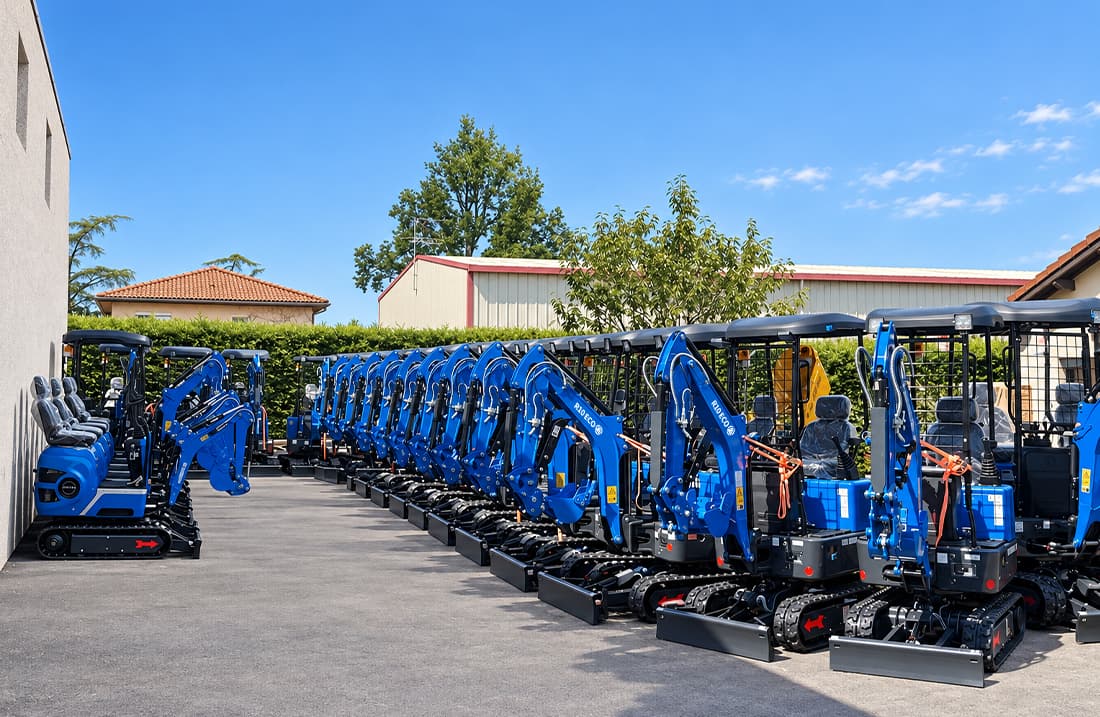
3. Calculate the Total Landed Cost
For importers, the purchase price is only one part of the financial calculation. The landed cost represents the expenses required to bring equipment to the agreed destination, subject to the chosen shipping and delivery arrangements.
Common cost components include:
| Cost category | What to consider |
|---|---|
| Equipment | Quoted machine price and agreed configuration |
| Export logistics | Packing, handling, and origin charges |
| International freight | Sea freight or another agreed transport method |
| Insurance | Cargo coverage and applicable exclusions |
| Import charges | Duties, taxes, and customs-related fees |
| Local delivery | Port handling, inland transportation, and unloading |
| Inventory | Storage, financing, and expected holding costs |
Ask a freight forwarder or customs professional to estimate destination-specific charges. Import duties and compliance requirements vary by country and product classification.
A reliable landed-cost estimate helps you set selling prices, calculate gross margins, and compare suppliers more accurately.
4. Confirm Production Capacity and Delivery Schedules
Bulk purchasing places greater demands on production planning. Before paying a deposit, confirm whether the supplier can manufacture the required quantity within your expected timeframe.
Ask whether the order will be produced as one batch or multiple batches. Clarify how the manufacturer will communicate production progress and what happens if the schedule changes.
For distributors with seasonal demand, timing can be as important as price. A shipment that arrives after the main selling period may create additional storage costs and reduce sales opportunities.
Include agreed production milestones and delivery responsibilities in the purchase contract. Avoid relying exclusively on verbal delivery estimates.
5. Establish Quality Checks Before Shipment
Inspecting equipment before shipment is especially important when multiple machines are purchased together. A documented inspection process helps identify issues before the shipment leaves the factory.
Agree on the inspection scope with the supplier. Depending on the purchase agreement, checks may cover product identification, visible condition, assembly quality, operation, accessories, and accompanying documents.
For larger orders, consider arranging an independent inspection. Specify the acceptance criteria in writing and agree on how any nonconformities will be documented and resolved.
Also confirm that the machines and their included components match the approved order. Consistent records make it easier to manage receiving, inventory, and customer deliveries after arrival.
6. Prepare for Shipping and Inventory Management
Before shipment, confirm packaging, container loading arrangements where applicable, shipping documents, insurance responsibilities, and the destination port or delivery point.
Make sure the documentation matches the commercial agreement and the requirements of your importing country. Differences in product descriptions, quantities, or shipping records can complicate customs clearance.
Once the equipment arrives, record each machine in your inventory system. Track its purchase cost, arrival date, configuration, customer allocation, and any issues identified during receiving.
For repeat imports, use the results of each shipment to improve forecasting, logistics planning, and supplier communication.
7. Build a Repeat-Order Strategy
Bulk purchasing works best when it supports a broader supply plan. After the first shipment, compare actual landed costs with your estimates, review sales performance, and collect feedback from customers.
Use these findings to decide whether to reorder the same products, adjust the product mix, or negotiate different purchasing terms.
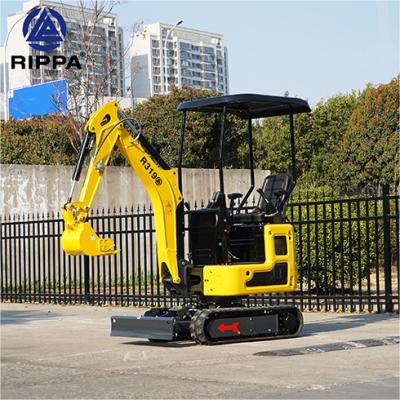
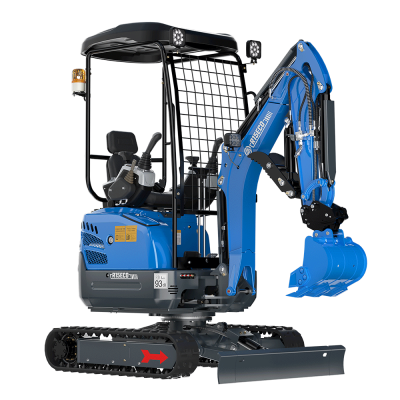
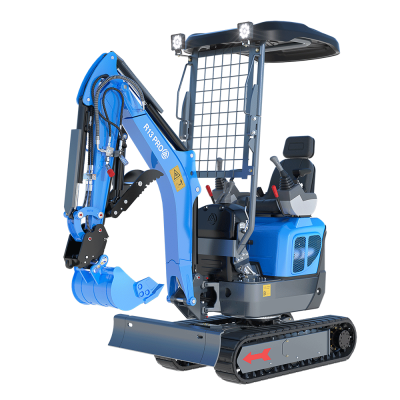
Businesses evaluating suppliers can explore RIPPA mini excavator models and discuss current product availability, order conditions, and export arrangements directly with the company.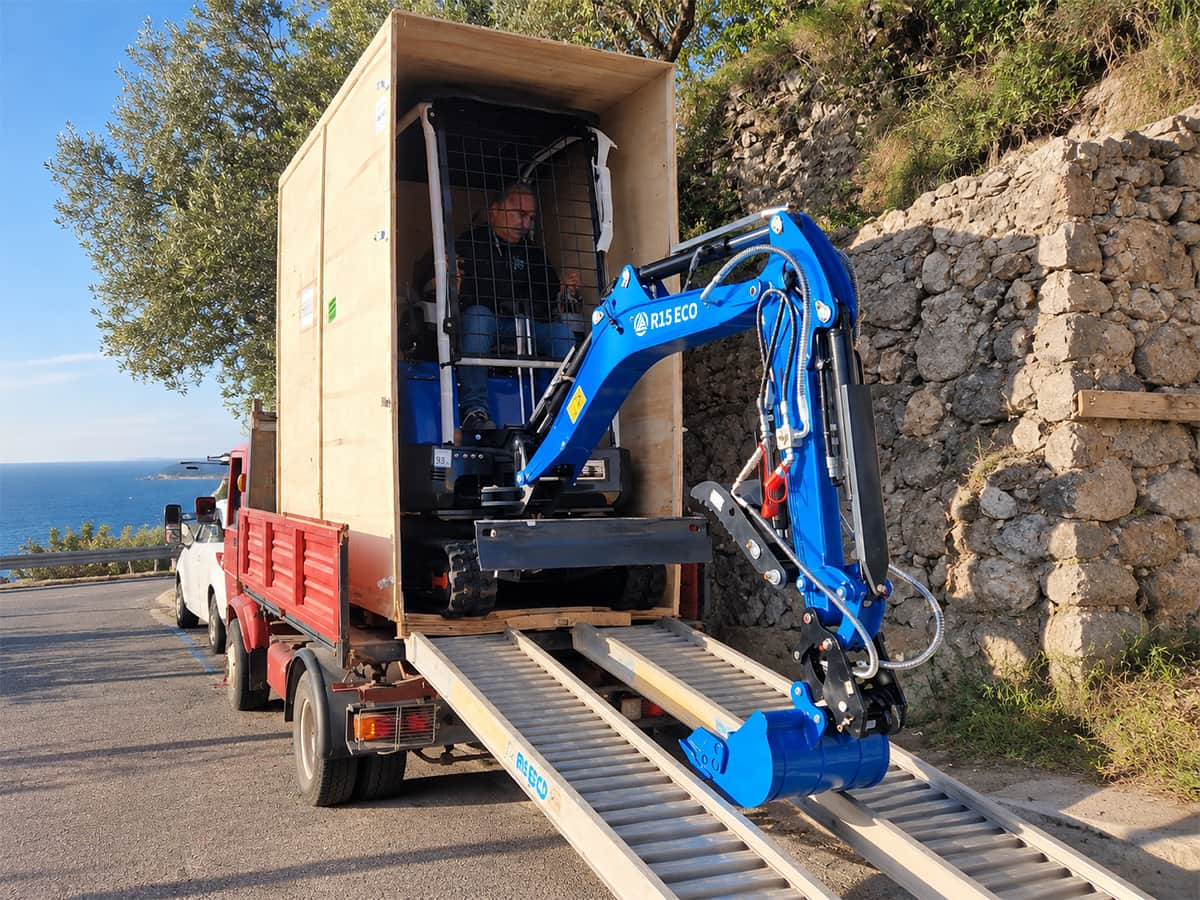
Frequently Asked Questions
Is buying mini excavators in bulk always cheaper?
Not always. Quantity-based pricing may reduce unit costs, but freight, duties, financing, and unsold inventory can offset the savings. Compare total landed cost and expected sales margins.
What quantity should an importer order?
There is no universal quantity that suits every business. Consider verified demand, available working capital, supplier terms, storage capacity, and delivery schedules before deciding.
Should bulk orders be inspected before shipment?
A documented pre-shipment inspection is a useful risk-management measure. Agree on the inspection scope and acceptance criteria before production or shipment begins.
What documents should buyers confirm?
Depending on the transaction and destination, buyers may need commercial invoices, packing lists, transport documents, and applicable compliance records. Confirm the exact requirements before shipment.
Conclusion
Buying Chinese mini excavators in bulk requires more than negotiating a lower unit price. Importers should forecast demand, calculate landed costs, verify production schedules, establish quality checks, and prepare for customs clearance and inventory management. A structured purchasing process helps businesses control risk and build a dependable supply strategy for future growth.