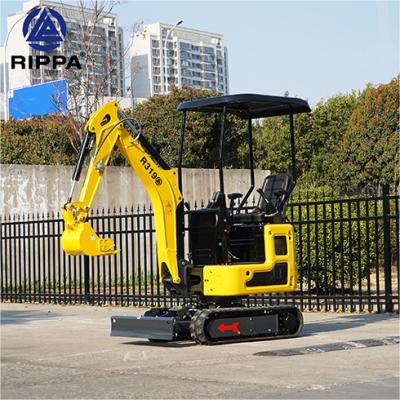
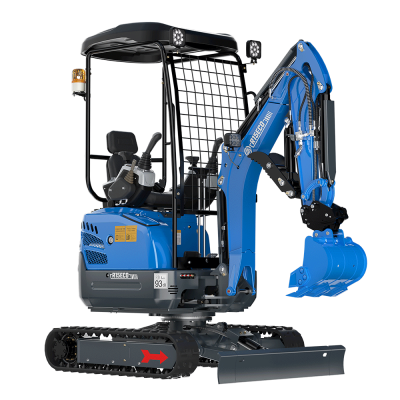
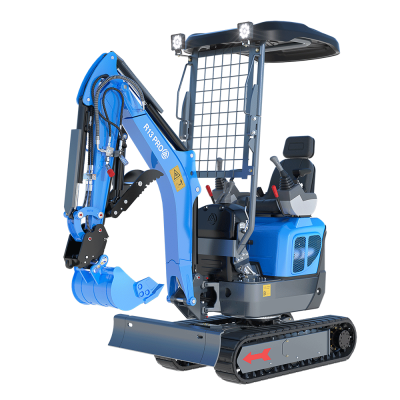
How to Become a Chinese Mini Excavator Dealer
Becoming a Chinese mini excavator dealer involves choosing the right target market, finding a dependable manufacturer, understanding local customer demand, and building a practical sales and service plan. For equipment distributors, agricultural suppliers, and construction machinery businesses, success depends on more than purchasing machines at competitive prices. A sustainable dealership needs reliable supply, effective lead generation, and ongoing customer support.
1. Identify Your Target Market
Before contacting manufacturers, determine who is most likely to buy mini excavators in your region. Potential customers include landscaping contractors, small construction companies, agricultural businesses, property maintenance providers, and equipment dealers serving local operators.
Research which applications generate demand and what customers expect from their equipment suppliers. Some buyers prioritize compact machines for residential projects, while others focus on product selection, parts availability, delivery arrangements, or purchasing flexibility.
Review local competitors to understand their product ranges, customer service, sales channels, and market positioning. This research helps you identify a clear reason for customers to choose your dealership.
2. Find a Chinese Mini Excavator Manufacturer
Your manufacturer influences product consistency, purchasing conditions, delivery planning, and the reputation of your dealership.
When evaluating suppliers, consider:
Product range: Does the manufacturer offer equipment suitable for your customer base?
Production capability: Can it support your expected purchasing volume?
Quality management: Are inspection procedures and quality responsibilities clearly defined?
Export experience: Can the supplier coordinate international orders and required documentation?
Business communication: Are quotations, order updates, and commercial terms communicated clearly?
Parts and technical support: Can the supplier explain how parts requests and technical issues are handled?
Do not select a supplier based on price alone. Request written quotations, verify manufacturing claims, and discuss how the relationship would work after the first shipment.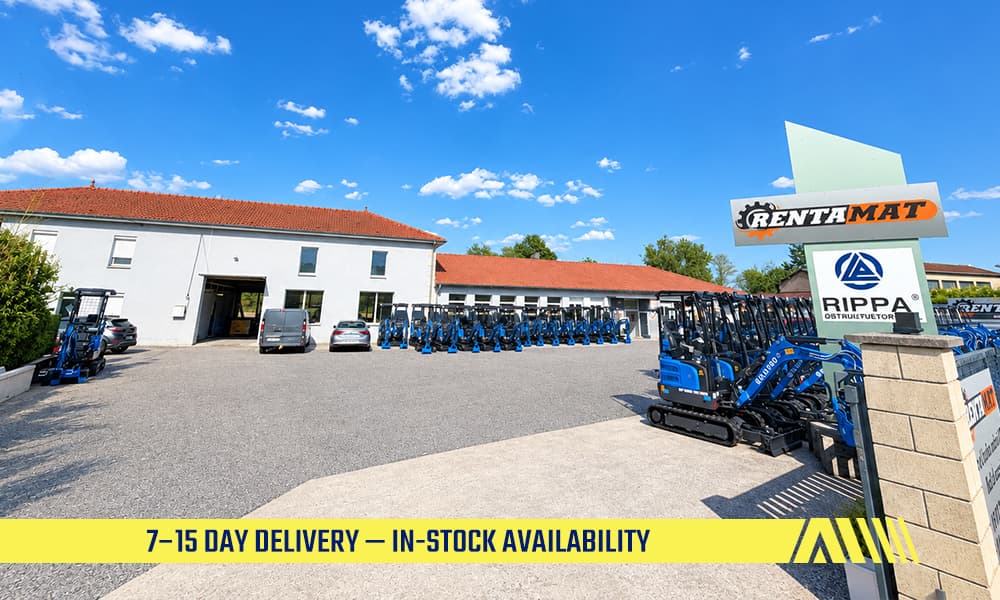
3. Build a Realistic Startup Budget
A mini excavator dealership requires working capital beyond the purchase price of its initial inventory. Before investing, estimate the full cost of entering the market.
Your budget may include:
Equipment purchasing and international freight
Customs duties, taxes, and import-related charges
Storage space and local transportation
Product demonstrations and marketing
Sales staff and customer service
Spare-parts inventory and after-sales arrangements
Cash reserves for unexpected expenses
Calculate the expected landed cost of each machine using your destination country's actual import and logistics requirements. Then compare it with realistic local selling prices and operating expenses.
Avoid purchasing large quantities before validating demand. A smaller initial inventory, supported by customer research and a clear sales plan, can help reduce financial exposure.
4. Decide How You Will Sell
Dealers can build sales through several channels. The right combination depends on local buying habits, available resources, and the size of the target market.
A physical dealership allows customers to inspect equipment and discuss their requirements in person. It may suit businesses that already sell construction or agricultural machinery.
A business website helps potential buyers discover your products, review available models, and submit inquiries. Product pages should provide clear descriptions, application information, contact details, and a straightforward quotation process.
B2B partnerships can expand your reach through construction equipment suppliers, agricultural dealers, contractors, and regional distributors. These relationships may generate repeat orders without relying entirely on individual retail customers.
Digital marketing can support all three channels. Use search-focused pages around terms such as “mini excavators for sale,” “Chinese mini excavator supplier,” and “mini excavator dealer,” ensuring that each page answers a distinct customer need.
5. Understand Import and Compliance Requirements
Before placing your first order, investigate the rules that apply to importing and selling construction equipment in your country. Requirements may cover customs classification, duties, emissions, safety, labeling, and product documentation.
Do not assume that a certificate or compliance statement automatically satisfies every local requirement. Confirm the applicable rules with the relevant authorities or a qualified customs professional.
Also establish who is responsible for shipping arrangements, cargo insurance, import documentation, and handling delays. Clear responsibilities reduce disputes and help you estimate delivery costs more accurately.
6. Create an After-Sales Plan
Customer support is a major part of dealership credibility. Buyers may need help identifying parts, understanding operating documentation, or resolving equipment issues after delivery.
Before launching, determine how you will respond to these requests. Establish a process for collecting customer information, documenting problems, requesting technical assistance, and communicating updates.
Discuss parts ordering, technical resources, and support responsibilities with your manufacturer in advance. Only advertise service coverage or response times that you can genuinely provide.
7. Grow Through Repeat Business
A dealership becomes more sustainable when it develops repeat customers instead of relying solely on new sales.
Follow up after deliveries, gather feedback, track frequently requested products, and monitor which marketing channels produce qualified business inquiries. Use this information to adjust inventory and promotional spending.
As sales become more predictable, discuss replenishment schedules and future purchasing plans with your supplier. Expansion should follow demonstrated demand rather than optimistic sales forecasts alone.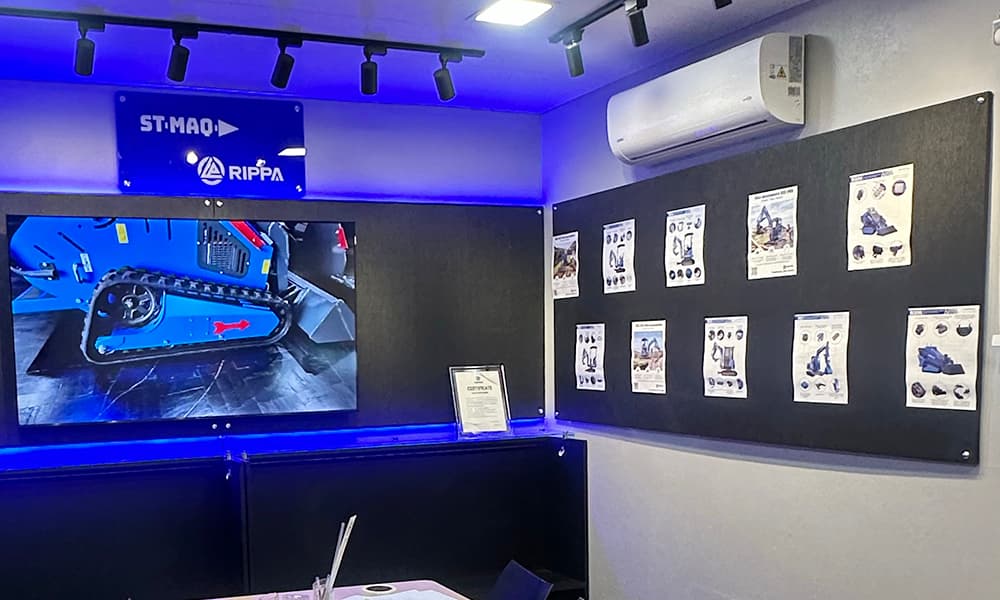
Frequently Asked Questions
How do I become a Chinese mini excavator dealer?
Research your market, identify suitable manufacturers, calculate startup costs, confirm import requirements, and establish sales and after-sales processes before placing your first order.
Do I need to purchase inventory immediately?
Not necessarily. Your initial purchasing strategy should reflect supplier terms, customer demand, available capital, and local delivery expectations. Confirm the available ordering options directly with the manufacturer.
How can I find customers for my dealership?
Build a combination of search-friendly product pages, targeted advertising, industry relationships, customer referrals, and direct outreach to contractors and equipment businesses.
What should I look for in a manufacturer?
Prioritize verified manufacturing capabilities, consistent quality procedures, clear commercial terms, export experience, and a practical process for parts and technical support.
Conclusion
Starting a Chinese mini excavator dealership requires a clear market strategy, careful financial planning, and a manufacturer capable of supporting long-term business needs. By validating demand before expanding inventory and investing in customer relationships, dealers can build a more resilient equipment distribution business.