How to Choose the Best Chinese Mini Excavator Manufacturer
Finding the best Chinese mini excavator manufacturer starts with verifying the supplier's production capability, quality management, export experience, and ability to support repeat orders. For importers and equipment dealers, these factors are often more important than a low initial quotation because they influence product consistency, delivery planning, and customer satisfaction.
China offers a wide range of compact construction equipment suppliers. Some operate their own manufacturing facilities, while others work as trading companies or coordinate production through partner factories. Both business models may serve different purchasing needs, but buyers should understand exactly who manufactures the machine and who is responsible for quality and after-sales support.
Step 1: Verify the Supplier's Manufacturing Capability
The first step is to determine whether a supplier manufactures its own equipment or purchases finished machines from another business.
Ask for the company's legal business information, factory address, production overview, and details about its quality inspection process. A video meeting or factory visit can help clarify the relationship between the company, its production facilities, and the equipment being offered.
For larger orders, buyers should also understand how the factory handles production scheduling, incoming component inspections, assembly, and final testing.
Do not rely solely on promotional photographs or claims about factory size. Request evidence that can be checked independently, and ensure that the legal entity receiving payment matches the agreed commercial documents.
Step 2: Evaluate Product Consistency
A supplier may offer an attractive sample machine, but wholesale purchasing requires consistent quality across multiple units.
Ask how the manufacturer records product configurations and manages changes in components or suppliers. Confirm that the quotation, technical documentation, and purchase contract describe the same machine.
For repeat orders, written configuration records help reduce misunderstandings. Buyers should establish an inspection procedure before production and agree on how defects or deviations will be documented and resolved.
Where appropriate, arrange an independent pre-shipment inspection. The inspection criteria should be agreed upon in advance rather than created after a problem occurs.
Step 3: Compare Quotations on a Landed-Cost Basis
The lowest factory quotation does not always represent the best purchasing value.
International buyers should compare the complete cost of bringing equipment into the destination market. Depending on the transaction, this may include machine pricing, export packaging, ocean freight, insurance, customs duties, port handling, inland delivery, and applicable compliance costs.
The comparison should also consider spare parts, maintenance requirements, and the resources needed to support local customers.
What Should a Wholesale Quotation Include?
A useful quotation should clearly identify:
Machine configuration and included equipment
Order quantity and minimum order requirements
Production and shipment schedule
Payment terms and applicable trade terms
Packaging and shipping responsibilities
Spare parts availability and ordering procedures
Warranty coverage and claim requirements
Documentation provided with the shipment
If an important item is unclear, ask for written clarification before comparing the quotation with competing offers.
Step 4: Check Export and Compliance Experience
A manufacturer serving overseas markets should understand the documentation and coordination required for international shipments.
Ask whether the supplier has experience exporting to your country and what support it can provide during shipping. Confirm the responsibilities of the manufacturer, importer, customs broker, and freight forwarder.
US importers should independently verify applicable customs classifications, duties, emissions requirements, safety obligations, and other rules relevant to the specific machine and its intended use. A general statement that a product is suitable for export is not a substitute for confirming market-specific requirements.
Step 5: Assess Spare Parts and After-Sales Support
Parts availability can influence machine uptime and customer confidence. This is especially important for dealers who need to support equipment sold to contractors, landscapers, farmers, and property maintenance businesses.
Ask how customers identify replacement parts, how orders are processed, and whether technical assistance is available when a machine develops a problem.
Clarify the scope of warranty coverage, exclusions, claim documentation, and responsibility for freight or labor costs. Written procedures help prevent disagreements after delivery.
For distributors, it is also useful to understand whether the manufacturer can recommend a practical initial parts inventory based on the products being sold.
Step 6: Review the Supplier's Dealer Program
Businesses planning to distribute Chinese mini excavators should evaluate the commercial relationship as carefully as the machines.
Discuss wholesale pricing, order volumes, marketing resources, product training, lead allocation, and regional sales policies. If territory protection is offered, request written terms that explain the geographic area, duration, performance expectations, and exceptions.
A transparent agreement allows both parties to plan inventory and customer acquisition more effectively.
A Practical Manufacturer Evaluation Checklist
Before committing to a large order, confirm that you have reviewed the supplier's business identity, factory capability, product documentation, quotation, shipping responsibilities, parts arrangements, and after-sales procedures.
Start with a manageable order when practical, document the inspection results, and evaluate the supplier's responsiveness throughout the process. This creates a useful basis for deciding whether to expand purchasing volume.
Find a Suitable Chinese Mini Excavator Supplier
The best Chinese mini excavator manufacturer is one that fits your market, purchasing model, and service capabilities. A strong supplier relationship should combine suitable equipment, consistent production, transparent commercial terms, and dependable communication.
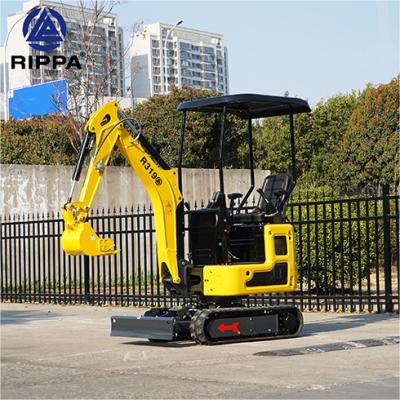
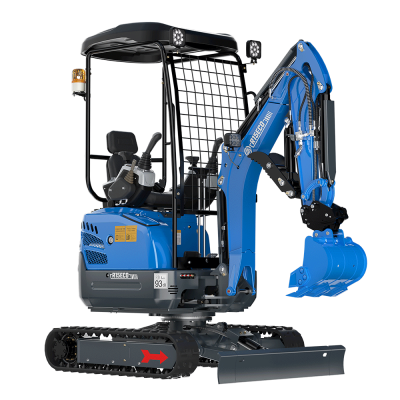
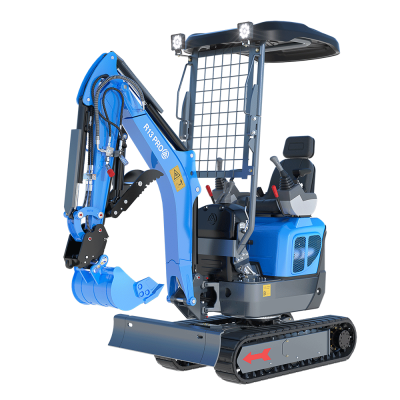
Explore Rippa mini excavator models to review available products. Importers and distributors can contact the company to discuss wholesale requirements, export arrangements, and potential long-term cooperation.