Mini Excavator Wholesale Buying Guide for Importers and Equipment Resellers
Mini excavator wholesale purchasing can improve unit economics, but only when the order matches real demand and the landed-cost calculation is complete. Importers, rental businesses, and equipment resellers should evaluate product mix, attachments, quality control, shipping, parts, and sales velocity before placing a bulk mini excavator order.
Plan the Order Around Sales, Not Only Price
The lowest factory price does not guarantee the best wholesale result. Slow-moving configurations increase storage costs and delay cash recovery. Start with customer evidence: recent inquiries, common job types, preferred machine sizes, attachment demand, and acceptable retail price bands. Separate confirmed demand from optimistic forecasts.
A balanced order often includes core machines plus frequently requested buckets or attachments. However, every additional configuration adds complexity to inspection, stocking, training, and parts management. New importers may benefit from a narrower initial range, then expand after identifying which products sell and which questions customers ask most often.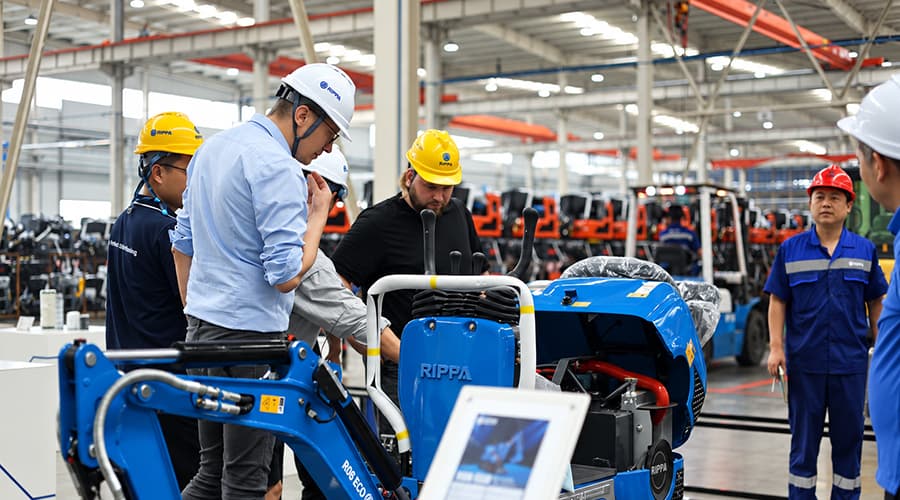
Calculate the True Landed Cost
Evaluate wholesale mini excavators beyond the invoice. Include inland transport, freight, insurance, customs charges, taxes, port fees, local delivery, inspection, storage, finance cost, and preparation. Exchange-rate movement and delayed clearance can also affect margin.
Request a packing list and confirm shipment terms before payment. Buyers should know each party’s responsibilities and whether the quotation includes attachments, spare parts, or options. Comparing suppliers equally prevents a low price from hiding higher total cost.
Create a Quality and Support Checklist
Before shipment, agree on an inspection scope covering model identity, visible workmanship, fluid condition, controls, basic functions, supplied accessories, labels, and documentation. Model-specific technical and compliance claims should be checked against current approved documents. Photos, videos, or independent inspection can support acceptance when appropriate.
After-sales preparation is equally important. Ask for recommended spare-parts lists, parts identification support, warranty procedures, manuals, and service contacts. RIPPA works with wholesale buyers to discuss order composition, packaging, logistics, attachments, and continuing supply. A successful mini excavator wholesale program protects margin through disciplined inventory planning and dependable support—not simply through a larger first order.