How to Choose the Right Skid Steer Loader for Your Project (New vs. Used)
The small skid steer loader market continues to perform strongly heading into 2025, driven by growing demand for compact, agile machinery across global construction, landscaping, and agricultural sectors. These versatile machines excel in tight spaces where larger equipment cannot operate efficiently. They are renowned for their robust hydraulic systems, operator-friendly controls, and remarkable adaptability, as they can be transformed for diverse tasks by switching among a wide array of attachments.
Understanding the Compact Skid Steer Loader
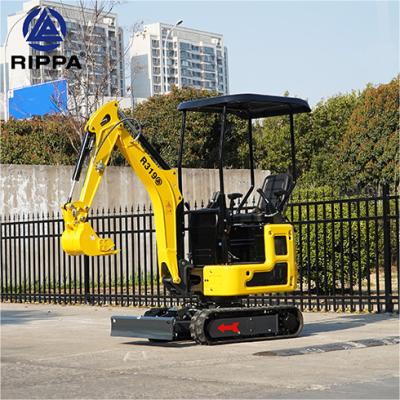
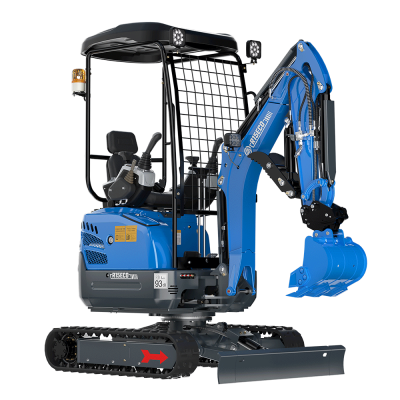
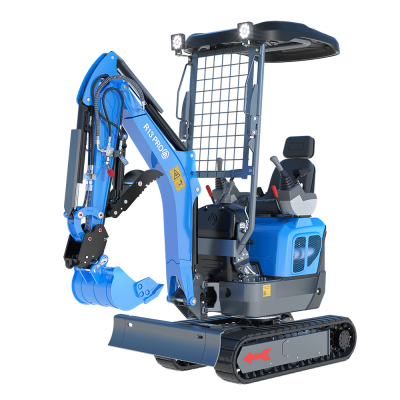
A compact or mini skid steer loader is a small, highly adaptable machine engineered specifically for work in confined areas inaccessible to larger equipment. It achieves an ideal balance of power, size, and maneuverability, enabling users to perform a vast range of tasks such as excavation, grading, loading, landscaping, and material processing.
Its compact footprint allows it to pass through gates, navigate narrow pathways, and even operate inside buildings, making it an indispensable tool across multiple fields including construction, landscaping, agriculture, and municipal work.
Key Features and Advantages of Mini Skid Steers
The defining characteristics of a mini skid steer loader translate into significant advantages for owners and operators. Its compact size allows it to work in extremely limited spaces without sacrificing power or functionality. This makes it ideal for residential properties, indoor renovation projects, and crowded urban job sites where space is at a premium.
These machines deliver impressive hydraulic power, enabling them to handle a variety of demanding attachments, from buckets and augers to trenchers and sweepers. The presence of a universal quick-attach system is a cornerstone of their versatility, allowing operators to rapidly switch between implements and maximize the machine's utility across different jobs within a single workday.
From a financial perspective, mini skid steers offer notable cost-effectiveness. Their lower initial purchase price compared to larger loaders, reduced transportation needs, and generally lower operating costs make them a financially sound solution for small to medium-sized projects and businesses. Furthermore, they are designed for ease of operation, with intuitive controls and a stable platform that allows operators of various skill levels to use them productively and safely.
Common Applications Across Industries
The versatility of the small skid steer loader meets numerous professional needs. In landscaping, it is used for grading land, preparing soil, setting up irrigation systems, transporting materials like sod or mulch, and planting. Within the construction sector, it proves invaluable for tasks such as partial demolition, debris removal, small-scale site preparation, and material handling on urban job sites.
Agricultural operations utilize these loaders for livestock management, cleaning and bedding stalls, moving equipment, and maintaining fences. For property maintenance companies, they are essential tools for efficient groundskeeping, park management, and renovation projects, offering a perfect blend of power and precision in sensitive environments.
Navigating the 2025 Market: New vs. Used
As demand grows, understanding the current market landscape is crucial for making an informed purchase decision. Projected trends for 2025 indicate significant growth in demand, fueled by rapid urbanization and increased infrastructure projects, alongside substantial technological advancements.
Key technological trends include stringent emission compliance, with newer models featuring engines that meet EPA and Euro 5 standards. There is also a trend toward enhanced lift capacity, with many compact models now rated for 1,000 lbs or more while retaining a small footprint. Attachment innovation continues, with most machines featuring advanced quick-connect systems for faster changeover and increased productivity. Furthermore, the integration of telematics and fleet management software is becoming more common, enabling better machine monitoring, maintenance scheduling, and operational efficiency.
Given this context, the choice between a new or used skid steer loader depends heavily on your budget, project requirements, and long-term plans. A new skid steer loader offers the latest technology, full warranty coverage, compliance with current emissions regulations, and predictable maintenance costs from day one. It is the best choice for those who prioritize maximum uptime, the latest features, and plan for intensive, long-term use.
Conversely, a used skid steer loader presents a lower upfront capital investment, which can be advantageous for new businesses or those with seasonal or intermittent needs. The potential downside includes higher and less predictable maintenance costs, possible outdated technology or emissions standards, and a shorter remaining operational lifespan. A thorough inspection of the machine's service history, structural condition, and hydraulic system is absolutely critical when considering a used purchase.
Industry estimates suggest steady growth for the global compact skid steer market through the late 2020s. This growth reflects the ongoing expansion in construction, landscaping, and agriculture. Ultimately, the right choice balances your immediate project needs, total budget (including purchase price and total cost of ownership), and the value you place on modern features, warranty protection, and operational reliability.