Mini Excavator Dealership Opportunities for Local Equipment Businesses
Mini excavator dealership opportunities can help an established equipment business reach landscapers, farmers, rental customers, and small contractors with one adaptable product category. The strongest opportunity, however, is not created by demand alone. It comes from combining the right machines with local demonstrations, financing options, parts planning, and dependable customer support.
Why Compact Equipment Creates Repeat Business
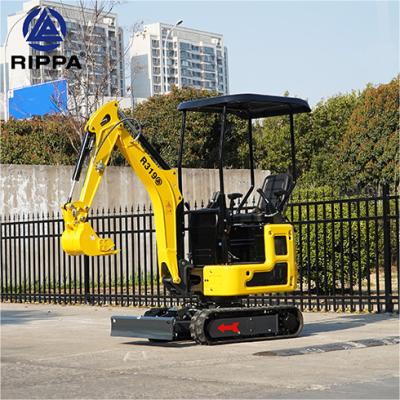
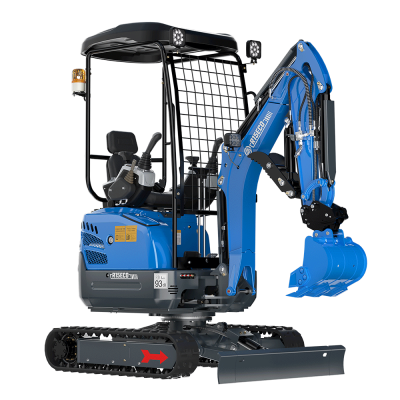
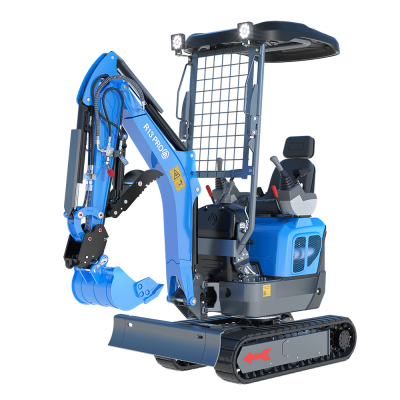
Mini excavators perform many jobs that are too labor-intensive for hand tools and too restricted for large machines. Buyers use them for trenching, drainage, light demolition, landscaping, fencing, property maintenance, and foundation preparation. A dealer can also generate follow-on revenue through buckets, augers, breakers, grapples, service items, and replacement parts.
This broad application range allows dealers to serve several customer types without building completely separate product programs. A landscaping buyer and a farm owner may choose different attachments, but both value simple operation, local advice, and fast service.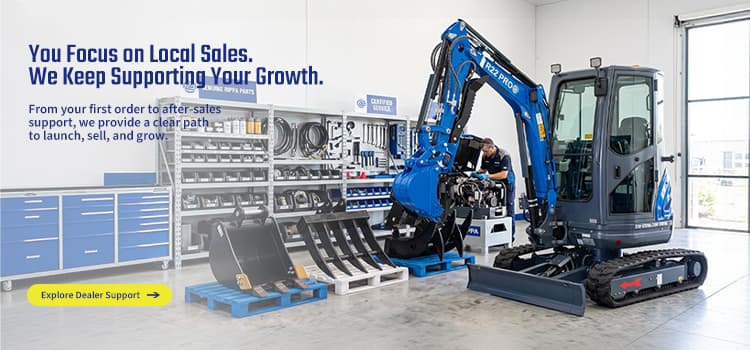
What Makes a Dealership Opportunity Viable
Before entering the market, calculate the full commercial picture. The landed cost may include freight, import duties, inland transport, inspection, storage, pre-delivery preparation, promotion, and warranty support. Dealers should also estimate inventory turnover and the cash tied up in machines and attachments.
Margin matters, but it should not be evaluated in isolation. A slightly higher initial cost may produce better long-term value if the supplier provides stable parts access, clear technical documents, responsive warranty handling, and consistent production. Ask for written commercial terms and verify all current conditions for your region.
How RIPPA Supports Local Market Development
RIPPA works with distributors to match products and stocking plans to local demand. Dealer discussions may cover territory arrangements, training, demo equipment, marketing materials, lead cooperation, logistics, and after-sales processes. Exact terms depend on the applicant and market, so they should be confirmed directly rather than assumed.
Factory-direct communication can also help a dealer understand configuration choices and order planning. This is especially important when destination-market rules, engines, attachments, or documentation vary by region.
A Practical First-Year Launch Plan
Begin with a narrow group of target customers and a product selection that fits their most common work. Prepare a demonstration route, operator handover checklist, service schedule, and parts starter stock before advertising heavily. Collect every serious inquiry by application, budget, timing, and preferred machine class.
During the first months, measure more than unit sales. Track demonstration-to-order conversion, lead response time, attachment sales, service requests, and the reasons customers do not purchase. These findings guide the next inventory order and improve the dealer’s local positioning.
For businesses exploring mini excavator dealership opportunities, RIPPA offers a route to build a compact-equipment line around local demand. Contact the dealer development team with your territory and company information to evaluate the current opportunity.