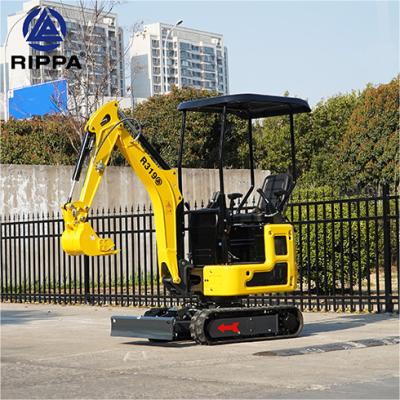
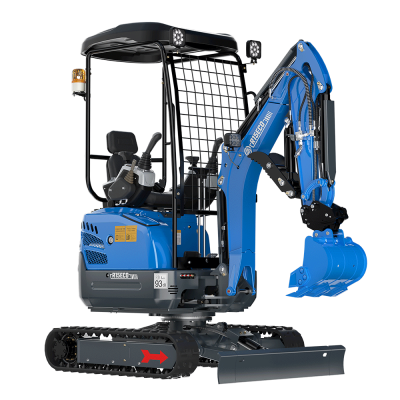
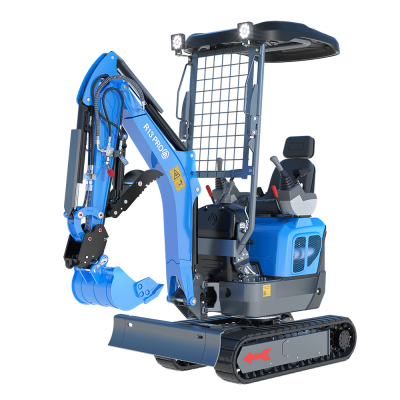
Become a RIPPA Dealer and Grow a Local Equipment Market
Businesses that want to become a RIPPA dealer should approach the opportunity as a local market-development project, not simply a purchase agreement. The dealer represents the product, guides buyers, supports delivered machines, and provides market feedback. RIPPA supplies the manufacturing relationship and works with qualified partners on products, training, marketing, logistics, and after-sales planning.
Who Can Apply to Become a RIPPA Dealer?
Potential applicants may include construction-equipment dealers, rental yards, machinery importers, repair businesses, contractors, and entrepreneurs with relevant local resources. Existing industry experience is valuable, but a clear sales and service plan is equally important.
Applicants should describe their legal business, proposed territory, customer base, facility, team, technical capability, marketing channels, and stocking expectations. If service will be outsourced, identify the partner and explain how customer requests will be managed.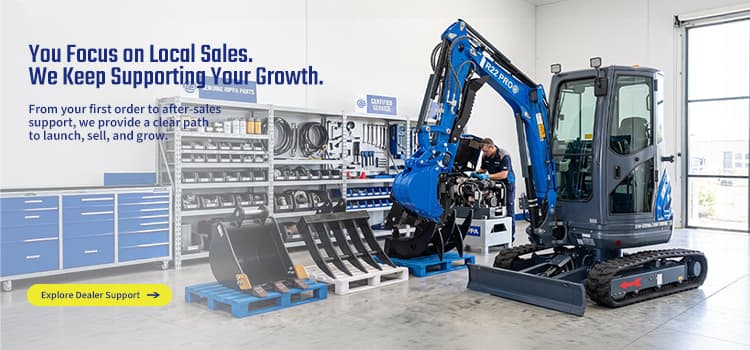
What to Discuss Before Signing
Dealer agreements should clearly address the sales area, products, pricing method, payment terms, order responsibilities, warranty process, marketing use, performance expectations, and conditions for renewal or termination. If territory protection is available, its boundaries and requirements need to be precise.
Also confirm how leads will be handled, whether direct or online sales affect the territory, and what happens when customers operate across regional borders. These questions are easier to solve before launch than after the market begins to grow.
Prepare for a Credible Local Launch
Choose initial machines according to verified demand rather than the widest possible range. Prepare model-specific product information, approved images, quotation templates, inspection forms, service contacts, and essential parts. Sales staff should be able to qualify a customer’s application and explain the next step without inventing specifications.
Local content can focus on the work customers actually perform: landscaping, drainage, fencing, property improvement, utility work, rental, or small construction. Demonstration events and direct outreach to relevant businesses can create more useful inquiries than broad promotion alone.
Develop the Partnership After the First Order
Share structured market feedback with the manufacturer. Record frequently requested attachments, lost-sale reasons, service questions, parts consumption, seasonal demand, and customer objections. This helps improve later inventory choices and training.
Review the relationship regularly using practical measures such as response time, stock movement, conversion rate, support cases, and customer retention. Sustainable territory growth depends on both parties meeting the responsibilities established in the agreement.
To become a RIPPA dealer, prepare a concise company introduction and a realistic plan for sales, service, inventory, and market coverage. Contact the RIPPA dealer development team to verify current territory availability and partnership terms for your country.