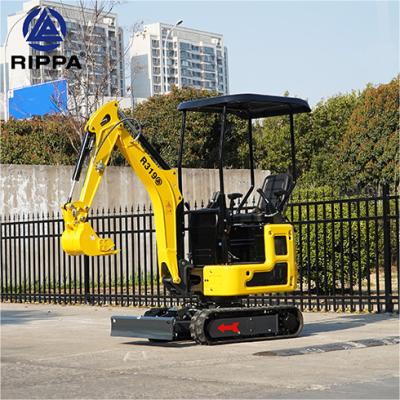
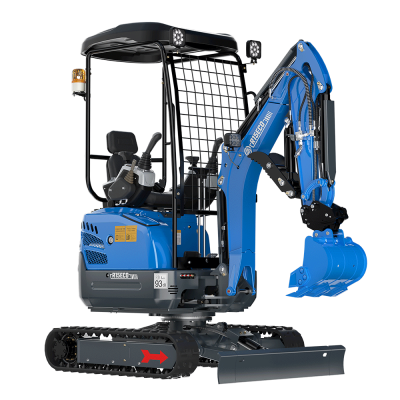
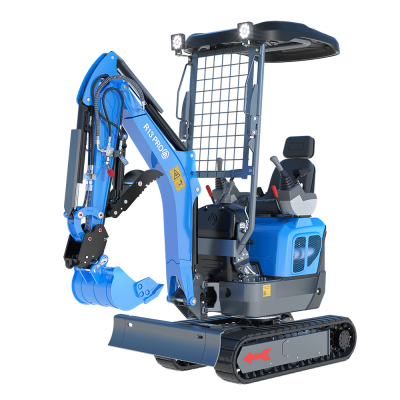
How to Build a Profitable Mini Excavator Dealer Business
A profitable mini excavator dealer business is built through inventory control, qualified lead handling, attachment sales, and reliable after-sales support. Wholesale margin is important, but it does not show how quickly stock will move or how much service each sale will require. Dealers need a business model that creates value throughout the machine’s working life.
Choose a Focused Customer Segment
Trying to sell to everyone often creates vague advertising and unsuitable stock. A dealer can begin with one or two strong groups, such as landscapers, farms, rental companies, property-maintenance businesses, or small contractors. Each group has different concerns about access, transport, attachments, utilization, and service.
Build offers around real jobs. A landscaping package might prioritize narrow-site work and grading tools, while a farm package may center on drainage, fencing, and vegetation management. Model and attachment compatibility must always be checked against current manufacturer information.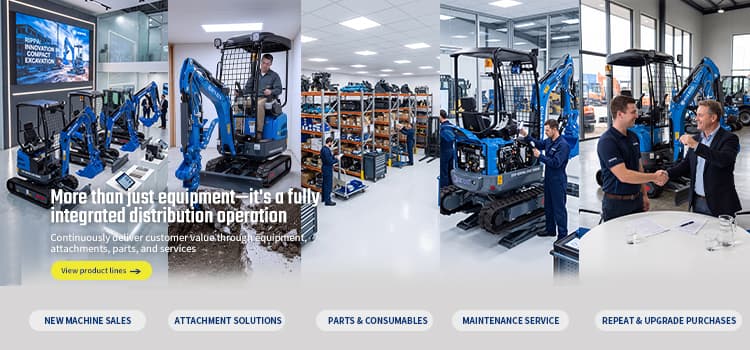
Protect Cash Flow with Smarter Inventory
Track stock by age, inquiry volume, demonstrations, quotations, and expected delivery dates. A machine that attracts attention but rarely converts may need different positioning, a revised package, or removal from future orders. Attachments and service items should be planned alongside machines rather than treated as an afterthought.
Dealers can reduce early risk by launching with a controlled selection and expanding from proven demand. Any minimum stocking requirement, payment schedule, territory condition, or demo support should be confirmed in writing with the supplier.
Turn Leads into Local Relationships
Fast response matters, but qualification matters more. Ask the buyer about the job, ground conditions, access restrictions, transport, attachments, purchase timing, and service location. This makes the conversation useful and helps prevent a poor machine match.
After delivery, provide an operator handover, maintenance guidance, warranty terms, and named service contacts. Follow up after the customer has used the machine. Good support can generate referrals, attachment purchases, parts demand, trade-ins, and repeat equipment sales.
Use RIPPA’s Dealer Framework Effectively
RIPPA’s program is intended to connect factory supply with local sales and service capability. Dealer discussions can include territory, product planning, commercial terms, training, marketing cooperation, parts, and warranty procedures. Actual support and obligations vary by agreement and region.
To build a profitable mini excavator dealer business, manage the metrics that influence long-term returns: inventory turnover, lead conversion, attachment revenue, service response, warranty cost, and repeat customers. Share your company profile and territory plan with RIPPA to discuss a commercially realistic launch.