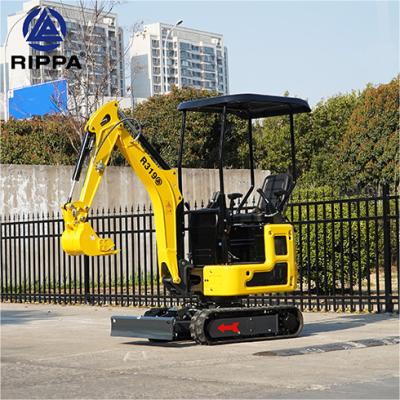
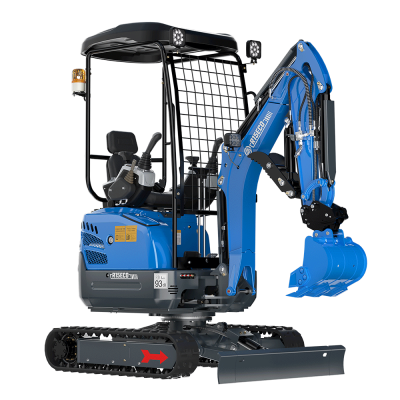
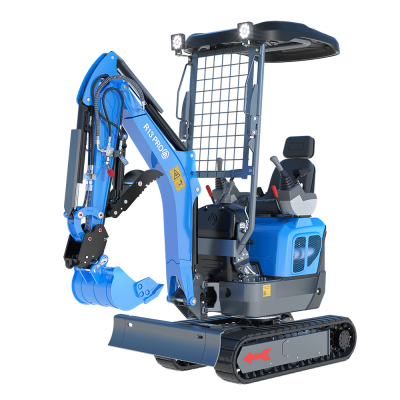
Mini Excavator Distributor Program for Rental Companies
A mini excavator distributor program can give rental companies two connected revenue streams: short-term equipment hire and new-machine sales. Rental activity exposes machines to real local jobs, creates regular demonstrations, and helps the business identify serious buyers. Success still depends on fleet selection, maintenance discipline, damage control, and supplier support.
Why Rental Companies Are Well Positioned to Sell
Rental customers already trust the company to recommend equipment for a task. They may rent for trenching, landscaping, drainage, demolition, or property maintenance before deciding whether ownership is economical. Staff can observe which machine sizes and attachments receive repeat demand and use this evidence when planning sales inventory.
A rental yard also provides a natural demonstration location. Prospective buyers can see the controls, access points, daily checks, and attachment changes instead of relying only on photos. Used rental units may later create a second sales channel, provided their condition and service history are disclosed accurately.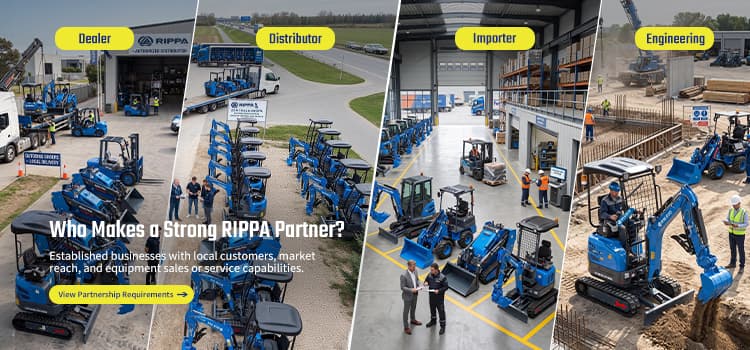
Separate Rental Economics from Retail Margin
The business case should include utilization, daily or weekly rental rates, transport costs, cleaning, scheduled maintenance, repair risk, depreciation, and expected resale value. Retail profitability must be calculated separately using landed cost, sales expense, warranty responsibility, and attachment revenue.
Do not overload the first order with too many configurations. A focused fleet is easier to maintain, explain, and support. Standardizing selected service parts and attachments may also reduce downtime and simplify technician training.
Build an Uptime-Focused Parts System
Rental machines often work with different operators and in varied conditions. Each return should include an inspection for leaks, loose hardware, track condition, fluid levels, attachment wear, and visible damage. Service intervals must follow the relevant manual, while operators should receive a clear handover covering safe use and daily checks.
Before joining any distributor program, confirm parts identification, technical escalation, warranty documentation, and the availability of model-specific manuals. Keep critical service items locally based on fleet size and actual failure history.
Working with the RIPPA Dealer Program
Rental businesses applying to RIPPA can present their service territory, customer mix, existing fleet, workshop capacity, sales plan, and expected product demand. Discussions may include dealer terms, training, demo or stocking arrangements, parts preparation, and local promotion. All commercial and regional conditions should be confirmed in the final agreement.
A mini excavator distributor program is most valuable when rental data guides purchasing and service quality supports future sales. Contact RIPPA’s dealer development team to discuss whether your rental operation and territory are suitable for partnership.