Best Mini Excavator for Farm Use: Complete Buying Guide for Farmers
Modern farms require more than tractors and loaders. From drainage maintenance and fence installation to road repairs and tree planting, today's farmers need equipment that is versatile, compact, and efficient.
A mini excavator has become one of the most valuable machines on small and medium-sized farms because it can perform a wide variety of tasks while remaining easy to transport and operate.
However, choosing the best mini excavator for farm use is not always straightforward. Different farms have different needs, and selecting the wrong machine can lead to reduced productivity and unnecessary expenses.
In this guide, we'll explain what size mini excavator works best for farms, the most important features to consider, and the attachments that provide the highest return on investment.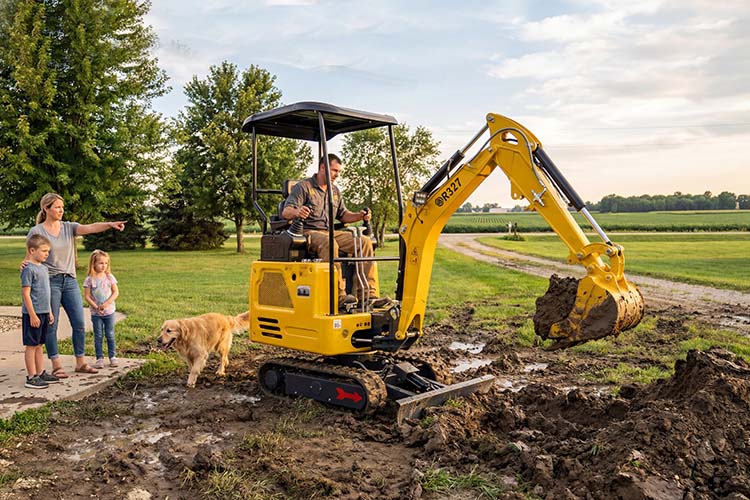
Why Every Farm Can Benefit from a Mini Excavator
Unlike dedicated construction equipment, mini excavators are flexible enough to handle everyday farm maintenance.
Common agricultural applications include:
Drainage trenching
Ditch cleaning
Fence installation
Tree planting
Culvert replacement
Irrigation projects
Gravel road maintenance
Brush clearing
Small stump removal
Material handling
For many farmers, a mini excavator quickly becomes a year-round machine rather than an occasional-use tool.
What Size Mini Excavator Is Best for a Farm?
The ideal excavator size depends largely on the type of farm and daily workload.
1 Ton Mini Excavator
Best for:
Orchards
Greenhouses
Vegetable farms
Backyard farming
Light trenching
Advantages:
Compact size
Easy transport
Lower investment cost
Access through narrow gates
Limitations:
Limited digging depth
Lower lifting capacity
Less attachment flexibility
2 Ton Mini Excavator
Best for:
General farm maintenance
Drainage projects
Fence construction
Ditch cleaning
Material handling
Advantages:
Better stability
Greater digging force
Improved lifting performance
More attachment options
For most small and medium farms, a 2 ton mini excavator provides the best balance between size, productivity, and affordability.
3-4 Ton Mini Excavator
Best for:
Large farms
Heavy earthmoving
Road construction
Large drainage systems
Frequent commercial use
These machines provide significant power but require more transportation and storage space.
Most Common Farm Applications
Drainage and Water Management
Poor drainage can damage crops, roads, and livestock areas.
Mini excavators are commonly used to:
Dig drainage trenches
Clean existing ditches
Install culverts
Improve water flow
Effective drainage often produces one of the highest returns on equipment investment.
Fence Installation
Building and maintaining fencing is an ongoing farm responsibility.
With an auger attachment, a mini excavator can:
Drill post holes
Remove damaged posts
Clear fence lines
Transport fencing materials
This significantly reduces manual labor.
Farm Road Maintenance
Road maintenance is often overlooked until problems arise.
Mini excavators help:
Repair washouts
Create drainage channels
Grade gravel roads
Shape shoulders
Well-maintained roads improve access throughout the year.
Tree Planting and Orchard Maintenance
For orchard owners, mini excavators simplify:
Tree planting
Root removal
Irrigation installation
Soil preparation
The compact footprint allows work between rows without damaging crops.
Essential Features for Farm Owners
Hydraulic Auxiliary Lines
Hydraulic attachments greatly expand machine capabilities.
Look for machines compatible with:
Hydraulic thumbs
Grapples
Augers
Breakers
Brush cutters
Easy Maintenance
Farm equipment often operates in dusty and muddy conditions.
Choose a machine that offers:
Easy engine access
Simple filter replacement
Readily available parts
Clear service intervals
Comfortable Operation
Long workdays require:
Ergonomic controls
Comfortable seating
Good visibility
Smooth hydraulic response
Operator comfort directly affects productivity.
Best Mini Excavator Attachments for Farming
Hydraulic Thumb
A hydraulic thumb transforms an excavator into a material-handling machine.
Perfect for:
Logs
Rocks
Fence posts
Brush
Debris
Auger
Ideal for:
Fence posts
Tree planting
Sign installation
One of the highest-value attachments for agricultural users.
Grading Bucket
Used for:
Ditch shaping
Road repair
Land leveling
Drainage improvements
Grapple
Perfect for:
Brush clearing
Log handling
Storm cleanup
Material movement
Ripper
Useful for:
Hard soil
Roots
Frozen ground
Compact surfaces
Why Farmers Choose RIPPA Mini Excavators
RIPPA mini excavators are designed specifically for versatility and durability.
Popular farm models include:
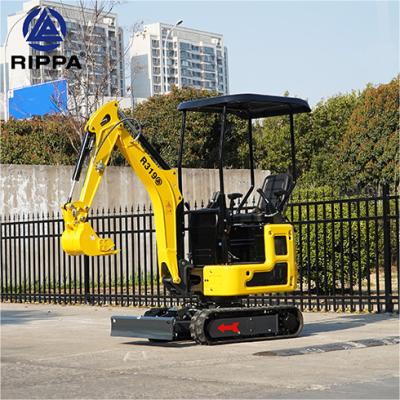
Rippa R319 Mini Excavator
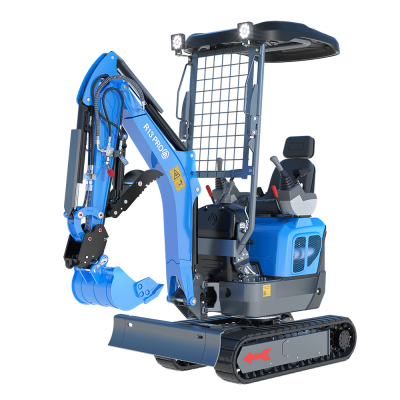
Rippa R18 PRO
Rippa R22
Rippa R32 PRO
Key advantages:
✔ Kubota Engine Options
✔ EPA 4 & Euro V Compliance
✔ Multiple Hydraulic Attachments
✔ Quick Coupler Compatibility
✔ Global Parts Support
✔ Overseas Warehouses
✔ Competitive Ownership Cost
These features make RIPPA excavators attractive for farmers seeking long-term value without premium-brand pricing.
Frequently Asked Questions
What is the best mini excavator size for a farm?
For most farms, a 2 ton mini excavator offers the best balance of power, versatility, and affordability.
Can a mini excavator remove tree stumps?
Yes. Small stumps and roots can often be removed using a bucket, ripper, or hydraulic thumb.
Is a mini excavator useful for fencing?
Absolutely. With an auger attachment, post-hole drilling becomes much faster and easier.
Are mini excavators good for drainage projects?
Yes. Drainage work is one of the most common and valuable applications on farms.
Conclusion
The best mini excavator for farm use should be reliable, versatile, and capable of handling multiple tasks throughout the year.
For most farmers, a 2 ton mini excavator paired with a hydraulic thumb, auger, grading bucket, and grapple provides exceptional value.
Whether you're maintaining drainage systems, installing fences, planting trees, or repairing farm roads, the right mini excavator can save countless hours of labor and become one of the most productive machines on your property.