How to Plan Spare Parts Inventory for a Compact Equipment Dealership
For a compact equipment dealership, selling machines is only one part of building a sustainable business. Spare parts availability also plays an important role in supporting customers, maintaining equipment and developing long-term relationships.
Dealers handling excavators, skid steer loaders and compact wheel loaders often face a practical challenge: which spare parts should they keep in stock, how much inventory is necessary, and when should they reorder?
Keeping too many parts increases inventory costs, while insufficient stock can delay maintenance and customer orders. A structured construction equipment spare parts inventory plan helps dealers balance availability, purchasing costs and stock turnover.
This guide explains how equipment distributors and wholesalers can develop a practical spare parts inventory strategy.
1. Understand Your Equipment Portfolio Before Purchasing Spare Parts
The first step in inventory planning is understanding which machines your dealership sells and supports.
Different equipment categories have different maintenance requirements and component structures. Even machines within the same category may use different parts depending on their model, configuration and production version.
Dealers should organize their equipment portfolio into clear categories.
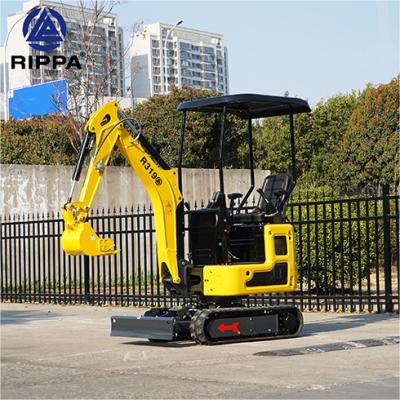
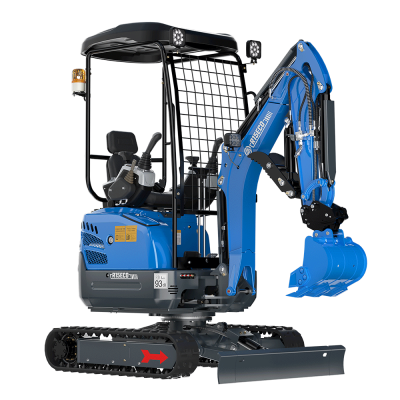
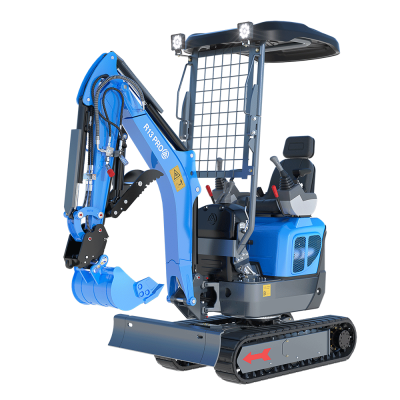
Excavator Spare Parts
Common inventory categories may include:
Engine maintenance components.
Hydraulic system components.
Filters and service items.
Electrical components.
Undercarriage parts.
Seals and replacement components.
Skid Steer Loader Spare Parts
Dealers may need to evaluate demand for:
Engine service parts.
Hydraulic hoses and fittings.
Electrical components.
Filters.
Belts and other maintenance items.
Bucket and attachment-related components.
Wheel Loader Spare Parts
Inventory planning may include:
Engine maintenance parts.
Hydraulic components.
Brake system components.
Electrical parts.
Filters and routine service items.
This classification provides a starting point for identifying the parts relevant to each machine category.
However, dealers should never assume that similarly named components are interchangeable. Compatibility must be confirmed using the correct model, serial number and manufacturer parts documentation.
2. Classify Spare Parts by Demand and Importance
Not every spare part deserves the same inventory priority.
Some components are regularly needed for scheduled maintenance, while others are replaced less frequently but may be important when equipment experiences a failure.
A useful approach is to classify parts according to two factors:
How frequently customers need them.
How important they are to equipment operation.
High-Demand Maintenance Parts
These are components that customers may regularly require during routine servicing.
Examples include applicable filters, maintenance consumables and other scheduled replacement items.
Dealers should use actual sales and service records to identify which parts deserve regular stock replenishment.
Operationally Important Components
Some components may have lower demand but can affect equipment availability when replacement is necessary.
Examples may include selected hydraulic, electrical and engine-related components.
These parts should be evaluated based on equipment compatibility, customer requirements, procurement lead time and replacement availability.
Low-Frequency Parts
Certain specialized components may have limited demand.
Instead of purchasing large quantities in advance, dealers can consider supplier-supported ordering arrangements, provided the expected lead time is acceptable to customers.
This approach reduces unnecessary inventory investment.
3. Use Sales Data to Estimate Spare Parts Demand
Inventory decisions should be based on actual demand wherever possible.
Relying entirely on assumptions can lead to two common problems: purchasing parts that rarely sell and failing to stock items that customers frequently request.
Dealers should review several sources of information.
Historical sales records
Analyze which parts have sold consistently over recent months.
Maintenance and service records
Identify components frequently replaced during routine maintenance or reported equipment servicing.
Customer inquiries
Record parts customers request even when the dealership does not currently have them available.
Equipment population
Consider how many machines of each model have been sold in the local market.
For example, a dealership with a large installed base of one excavator model may need a different inventory mix from a dealer that sells several equipment categories in smaller quantities.
A basic demand calculation can help:
For example, if a dealership sells 60 units of a particular spare part over six months, its average monthly demand is 10 units.
This historical average is a starting point, not a guarantee of future demand. Seasonal patterns, equipment population and changes in customer activity should also be considered.
4. Establish Reorder Points for Essential Spare Parts
A reorder point helps dealers determine when to purchase additional inventory.
Ordering only after stock reaches zero can create unnecessary delays, especially when parts must be shipped internationally.
A basic reorder point formula is:
Where:
ROP = Reorder Point.
D = Average daily demand.
L = Supplier lead time in days.
SS = Safety stock.
For example:
A dealer sells an average of two units of a particular spare part per day. The supplier's estimated delivery lead time is 15 days, and the dealer maintains 10 units as safety stock.
The dealer should consider placing a replenishment order when available inventory reaches approximately 40 units.
This is a simplified example. Actual reorder points should account for demand variability, delivery reliability and the difference between physical stock and available stock.
5. Manage Inventory Across Multiple Equipment Models
For dealerships selling several equipment models, managing spare parts becomes more complicated.
One of the biggest risks is confusing components that look similar but have different specifications or compatibility requirements.
A structured parts database can help prevent these errors.
Each inventory record should ideally contain:
Information | Purpose |
|---|---|
Part Number | Identifies the specific component |
Part Name | Describes the item |
Compatible Models | Identifies supported equipment |
Serial Number Range | Clarifies applicable production versions |
Supplier | Identifies the purchasing source |
Unit Cost | Supports purchasing calculations |
Current Stock | Shows available inventory |
Reorder Point | Indicates when replenishment is needed |
Dealers should also maintain clear records for superseded part numbers and approved replacements.
Before confirming an order, staff should verify the actual machine identification information rather than relying only on a general product name.
6. Balance Inventory Costs and Stock Availability
A dealership needs enough spare parts to serve customers without tying up excessive capital in slow-moving inventory.
Three indicators can help evaluate inventory performance.
Inventory Turnover
Inventory turnover measures how frequently stock is sold and replenished over a given period.
A very low turnover rate may indicate overstocking or weak demand.
However, turnover should not be evaluated in isolation. Critical replacement parts may justify maintaining some stock even when their sales frequency is relatively low.
Stockout Rate
A stockout occurs when a customer requests a part that is unavailable.
Dealers should track stockout frequency and identify the parts responsible for repeated shortages.
Slow-Moving Inventory
Parts with limited demand should be reviewed periodically.
Possible actions include adjusting purchasing quantities, consolidating stock between locations where practical, or using supplier-supported ordering rather than maintaining excessive local inventory.
The goal is not to minimize every inventory category. It is to maintain an appropriate balance between service availability and inventory investment.
7. Work with Equipment Manufacturers to Improve Parts Procurement
For international dealers, the quality of the supplier relationship can significantly influence spare parts management.
A reliable procurement process should include clear communication and accurate technical information.
Before placing a parts order, dealers should clarify:
Correct part numbers.
Compatible equipment models.
Required quantities.
Product availability.
Estimated production or preparation time.
Shipping arrangements.
Packaging and identification requirements.
Dealers should also request relevant parts catalogs, diagrams and maintenance documentation where available.
For recurring orders, maintaining a standardized parts list can reduce repeated communication and help both parties process requests more efficiently.
When dealing with overseas manufacturers, clear identification information is particularly important because returning an incorrectly ordered component may involve additional time and transportation costs.
8. Build a Practical Spare Parts Inventory Management Process
A dealership does not necessarily need a complicated inventory system to begin improving its parts management.
A consistent process can provide a strong foundation.
Step 1: Create a parts database.
Record part numbers, names, compatible equipment and supplier information.
Step 2: Review historical demand.
Use sales records, maintenance inquiries and customer requests to identify frequently needed components.
Step 3: Assign inventory priorities.
Separate regular maintenance parts, operationally important components and low-frequency items.
Step 4: Set reorder points.
Calculate replenishment thresholds using demand, lead time and safety stock.
Step 5: Monitor inventory performance.
Review stockouts, turnover and slow-moving inventory regularly.
Step 6: Coordinate with suppliers.
Share accurate parts information and establish a clear process for quotations, order confirmation and shipment tracking.
Following these steps can help equipment dealers develop a more organized and predictable parts purchasing operation.
Frequently Asked Questions
1. What spare parts should a compact equipment dealer keep in stock?
Dealers should prioritize commonly requested maintenance components and parts with important operational functions. The exact inventory depends on equipment models, customer demand and supplier lead times.
2. How can dealers reduce excess spare parts inventory?
Review historical sales, classify parts by demand, set purchasing limits and avoid ordering large quantities of components without sufficient demand evidence.
3. How do you calculate a spare parts reorder point?
A basic formula is average daily demand multiplied by supplier lead time, plus safety stock. The calculation should be adjusted according to actual demand variability.
4. Why is equipment model compatibility important when ordering spare parts?
Components may differ between models and production versions. Verifying part numbers, serial numbers and manufacturer documentation helps prevent incorrect purchases.
5. Should equipment dealers purchase spare parts directly from manufacturers?
Purchasing directly from manufacturers can help dealers obtain clearer product identification and compatibility information. Buyers should also evaluate pricing, availability, documentation and delivery arrangements.
6. How often should spare parts inventory be reviewed?
Critical and fast-moving parts should be monitored frequently. A broader inventory review can be conducted monthly or quarterly, depending on dealership size and sales activity.
Conclusion
Spare parts inventory management is an important part of operating a successful compact equipment dealership.
By understanding equipment portfolios, analyzing historical demand, setting reorder points and maintaining accurate compatibility records, dealers can improve purchasing decisions and reduce unnecessary inventory costs.
For international distributors and wholesalers, cooperation with equipment manufacturers is equally important. Clear parts identification, accessible documentation and organized procurement communication help create a more dependable supply process.
RIPPA Group serves international construction machinery markets with equipment solutions for dealers and professional buyers. Businesses interested in equipment distribution and spare parts cooperation can contact the RIPPA team to discuss their purchasing requirements.