Buying Construction Machinery in Bulk: A Practical Guide for International Dealers
Buying construction machinery in bulk can help equipment dealers build a broader product inventory and serve more customers. However, wholesale purchasing requires careful planning. Product selection, order quantities, supplier evaluation, shipping arrangements, and payment terms all affect the success of an international purchase.
For dealers importing machinery from China, the goal should not simply be to obtain the lowest unit price. A successful wholesale order should match local market demand, maintain consistent product requirements, and leave enough room for transportation, import costs, and resale expenses.
1. Identify Your Market Demand Before Ordering
The first step in wholesale purchasing is understanding what your customers actually need.
Construction equipment covers several categories, including:
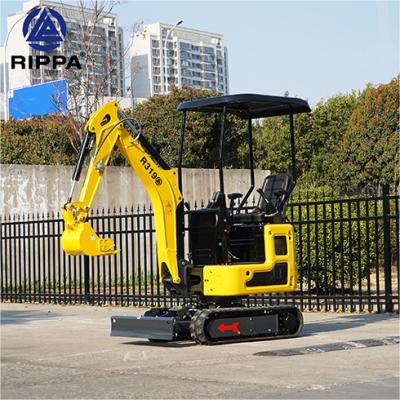
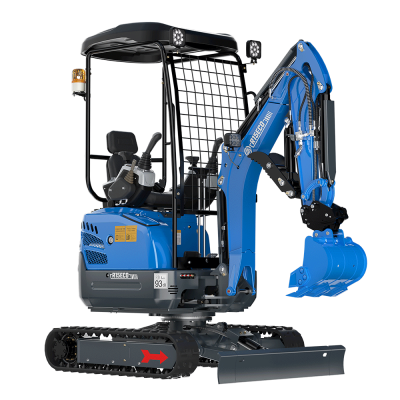
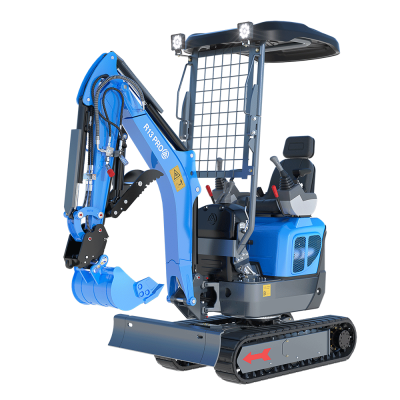
Mini and compact excavators
Medium and large excavators
Skid steer loaders
Wheel loaders
Backhoe loaders
Equipment attachments
Different products serve different customer groups. Landscaping contractors may look for compact excavators, while construction businesses may need larger machines or loaders for material handling.
Before placing a bulk order, review your recent sales, customer inquiries, competitor offerings, and the types of equipment commonly used in your region.
For new dealers, it may be better to begin with a focused product selection rather than purchasing too many categories at once.
2. Choose the Right Product Mix
A wholesale order should reflect the needs of your target customers.
Consider these factors when planning the product mix:
Customer type: Are you selling mainly to contractors, farmers, landscapers, construction companies, or rental businesses? Select equipment according to your actual market.
Application: Machines used for earthmoving may require different configurations from equipment used for landscaping or material handling.
Price positioning: Decide whether your customers are looking for entry-level equipment, specialized machines, or a broader range of options.
Parts and service: Consider whether your business can support the equipment categories you intend to sell.
A balanced product mix can reduce the risk of holding machines that are difficult to sell.
3. Compare Wholesale Suppliers and Quotations
Once you have identified the products, contact multiple suppliers and request comparable quotations.
A useful quotation should identify:
Product model and quantity
Machine configuration
Included attachments and accessories
Unit price and currency
Payment terms
Production lead time
Packaging arrangements
Shipping responsibilities
Warranty conditions
Make sure each supplier is quoting the same or equivalent configuration.
For example, two excavators may have similar product descriptions but different engines, components, attachments, or included equipment. Comparing their prices without checking these details can lead to an inaccurate purchasing decision.
Ask suppliers to explain any differences rather than relying on product names alone.
4. Understand Minimum Order Requirements
Wholesale suppliers may have different order requirements depending on the product, configuration, and commercial arrangement.
Before negotiating, clarify whether the supplier accepts mixed-model orders, whether different products can be combined in one shipment, and whether customized configurations affect the order quantity.
Dealers should calculate their purchasing capacity before committing to a large order.
Consider:
Available purchasing budget
Expected sales volume
Inventory storage capacity
Transportation costs
Customer delivery requirements
Cash flow during the sales cycle
A larger order may reduce certain purchasing costs, but it also increases inventory and financial commitments.
5. Calculate the Total Landed Cost
The unit price is only one part of an international wholesale purchase.
The total landed cost may include:
Equipment purchase price
Packaging and loading
Inland transportation
International freight
Insurance where applicable
Customs duties and taxes
Port handling and local delivery
Other destination-related charges
The exact cost depends on the destination, shipping method, equipment dimensions, and applicable import regulations.
Request a detailed shipping quotation and confirm which costs are included in the supplier's offer.
For dealers, landed cost is essential for setting resale prices and estimating gross margins.
6. Plan Inspection and Shipment Coordination
Before shipment, confirm how the equipment will be inspected and documented.
The purchase agreement should identify the product configuration, quantity, inspection requirements, and responsibility for resolving discrepancies.
Depending on the order, buyers may request:
Product identification and serial number records
Pre-shipment photographs
Inspection reports
Packaging photographs
Commercial invoice and packing list
Shipping documentation
For larger orders, consider agreeing on inspection procedures before production is completed.
Clear communication between the buyer, supplier, and logistics provider helps reduce misunderstandings during shipment.
7. Prepare Inventory and After-Sales Support
Wholesale purchasing does not end when the machines arrive.
Dealers should prepare a plan for receiving, storing, presenting, and selling the equipment.
Also consider the spare parts and technical information needed to support customers.
Before ordering, discuss parts ordering procedures, product manuals, warranty terms, and technical communication with the supplier.
A wholesale partner should understand that equipment dealers need to support customers throughout the product ownership process.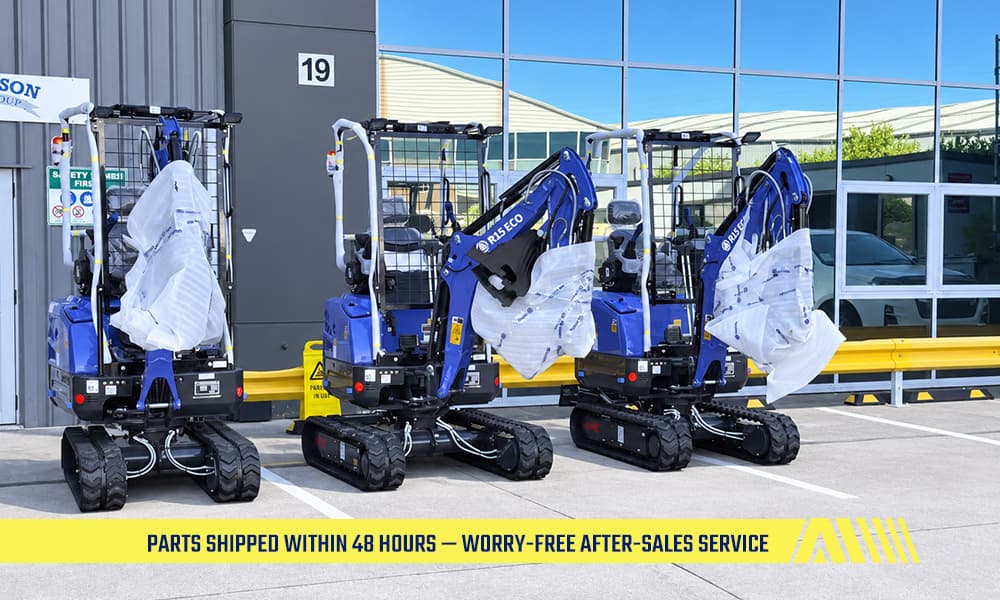
Frequently Asked Questions
Is bulk construction machinery purchasing suitable for new dealers?
It can be suitable when the dealer has identified customer demand, calculated the total purchasing cost, and confirmed the supplier's commercial terms. New dealers should avoid committing to inventory quantities they cannot reasonably sell or support.
Can I purchase different types of construction equipment in one order?
This depends on the supplier's product range, order policies, and shipping arrangements. Ask whether mixed-model orders are accepted and confirm how products will be packaged and shipped.
How do I calculate wholesale equipment costs?
Include the machine price, packaging, inland transport, international freight, import duties, taxes, port charges, and local delivery. Use verified quotations for the destination market.
What should be included in a wholesale purchase agreement?
Specify product models, configurations, quantities, prices, payment terms, delivery arrangements, inspection requirements, shipping responsibilities, and warranty conditions.
Plan Your Wholesale Machinery Purchase Carefully
Successful construction machinery wholesale purchasing requires a clear understanding of market demand, product selection, supplier reliability, and total landed cost.
For international equipment dealers, a structured purchasing process can help control inventory risk, improve pricing decisions, and build stronger relationships with manufacturing partners.