How Global Buyers Can Find a Reliable Heavy Equipment Supplier
Finding a reliable heavy equipment supplier is an important decision for importers, machinery distributors, and construction equipment dealers. A supplier affects not only the initial purchase but also product consistency, delivery coordination, spare parts availability, and future business opportunities.
When sourcing equipment internationally, buyers should look beyond product catalogs and attractive quotations. A professional supplier should understand the equipment category, provide clear commercial information, and communicate effectively throughout the order process.
1. Define the Equipment Your Business Needs
Before contacting suppliers, identify the equipment categories that match your market.
Depending on your customer base, your business may need:
Excavators for construction and earthmoving
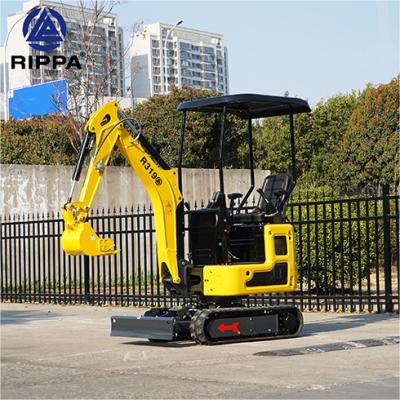
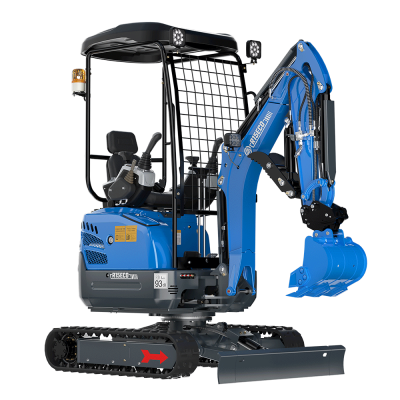
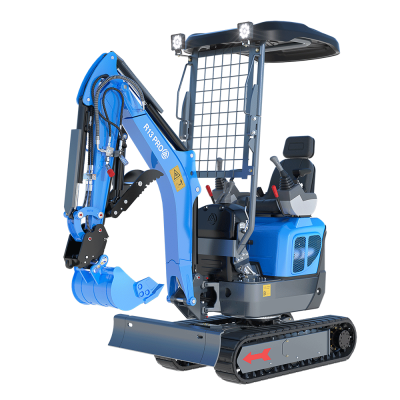
Mini excavators for compact job sites
Skid steer loaders for material handling
Wheel loaders for loading operations
Backhoe loaders for multi-purpose applications
Related attachments and replacement parts
A clear purchasing requirement helps suppliers recommend suitable products and prepare more accurate quotations.
It also prevents buyers from comparing unrelated machines simply because they appear in the same equipment category.
For dealers, product selection should be based on local demand, customer applications, and the type of equipment already available in the market.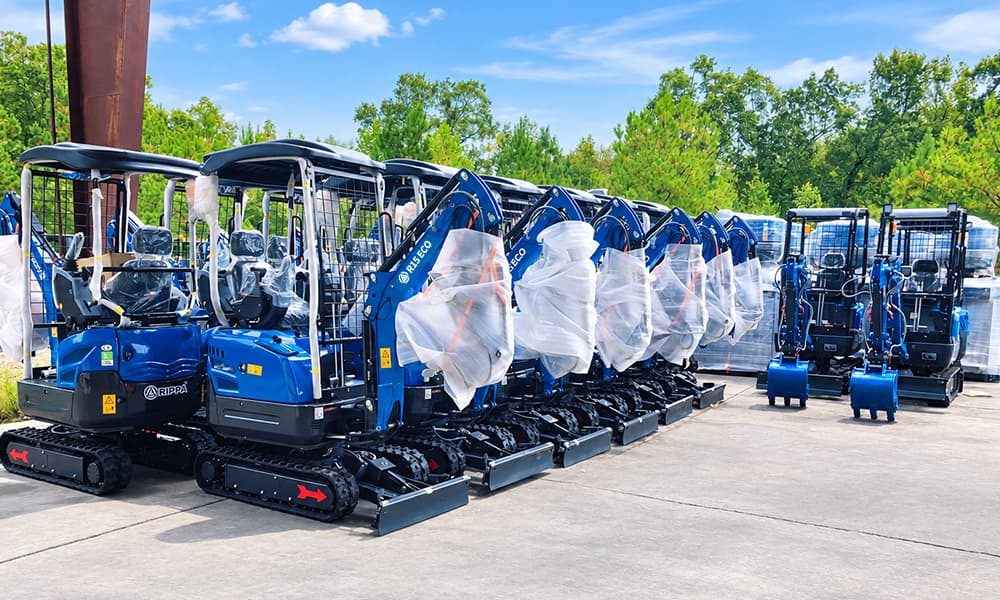
2. Verify the Supplier's Business and Product Experience
Not every company advertising heavy equipment is a manufacturer or an experienced supplier.
Buyers should understand the company's actual business role. It may operate as a manufacturer, trading company, distributor, or export agent. Each business model can offer different advantages and responsibilities.
Review the following information:
Company background and business registration
Main equipment categories
Product catalogs and documentation
Manufacturing or sourcing arrangements
Export markets and transaction experience
Available communication channels
If the supplier claims to operate a factory, request relevant production information and consider arranging a video inspection or site visit.
The goal is not to reject trading companies automatically. It is to understand who is responsible for product quality, delivery coordination, documentation, and after-sales communication.
3. Evaluate Product Quality and Consistency
Product quality should be assessed using verifiable information rather than broad promotional statements.
Ask suppliers how products are inspected and what procedures are followed before shipment.
Important areas include component selection, assembly processes, machine testing, final inspection, and packaging.
For repeat orders, consistency is especially important. A dealer may receive several shipments over time, so the agreed specifications and configurations should remain clear.
Before ordering, request:
Detailed product specifications
Component and configuration lists
Product manuals
Inspection records where available
Relevant compliance documents for the destination market
Compare equivalent configurations when evaluating different quotations. A lower-priced machine may have different components or included equipment.
4. Check Export and Shipping Capabilities
International equipment procurement involves logistics and documentation in addition to product supply.
A capable heavy equipment supplier should explain how export orders are prepared and coordinated.
Discuss:
Export documentation
Packaging and loading arrangements
Shipping terms
Estimated production lead time
Port handling responsibilities
Destination requirements
Communication during transportation
Shipping costs depend on factors such as equipment dimensions, weight, destination, transport method, and current freight conditions.
Ask for a quotation that clearly separates equipment prices from transportation and other charges.
Importers should also verify local customs rules, taxes, and equipment requirements before confirming an order.
5. Compare the Complete Commercial Offer
A supplier's quotation should be detailed enough for buyers to understand exactly what they are purchasing.
When comparing heavy equipment suppliers, review:
| Purchasing factor | What to confirm |
|---|---|
| Product configuration | Model, components, and included equipment |
| Price | Currency, unit price, and quotation validity |
| Order quantity | Minimum order requirements, if applicable |
| Payment | Deposit, balance, and payment conditions |
| Delivery | Production and shipping arrangements |
| Warranty | Coverage, exclusions, and claim process |
| Parts | Ordering procedures and availability |
For wholesale buyers, the total landed cost is more useful than the factory price alone.
A clear quotation also makes it easier to calculate local selling prices and expected dealer margins.
6. Understand Spare Parts and Service Support
After-sales support can influence a dealer's reputation and customer relationships.
Before choosing a supplier, ask how spare parts are identified, ordered, and shipped. Confirm whether product manuals, parts diagrams, and technical information are available.
You should also understand how product issues are reported and handled.
Important questions include:
Which spare parts can be ordered?
How are parts identified for a specific model?
What information is required for technical support?
What warranty terms apply?
How are claims reviewed?
Who is responsible for local labor and transportation costs?
Written procedures help prevent misunderstandings after equipment has been delivered.
7. Test the Cooperation Before Expanding Orders
A long-term supply relationship should be built on actual performance.
Where commercially practical, start with an order size that allows your company to evaluate product quality, communication, documentation, and delivery coordination.
Record any issues and discuss how they are resolved.
Once the supplier demonstrates consistent performance, both parties can consider larger orders, broader product categories, or dealer cooperation.
This approach helps buyers make decisions based on real business experience rather than sales promises.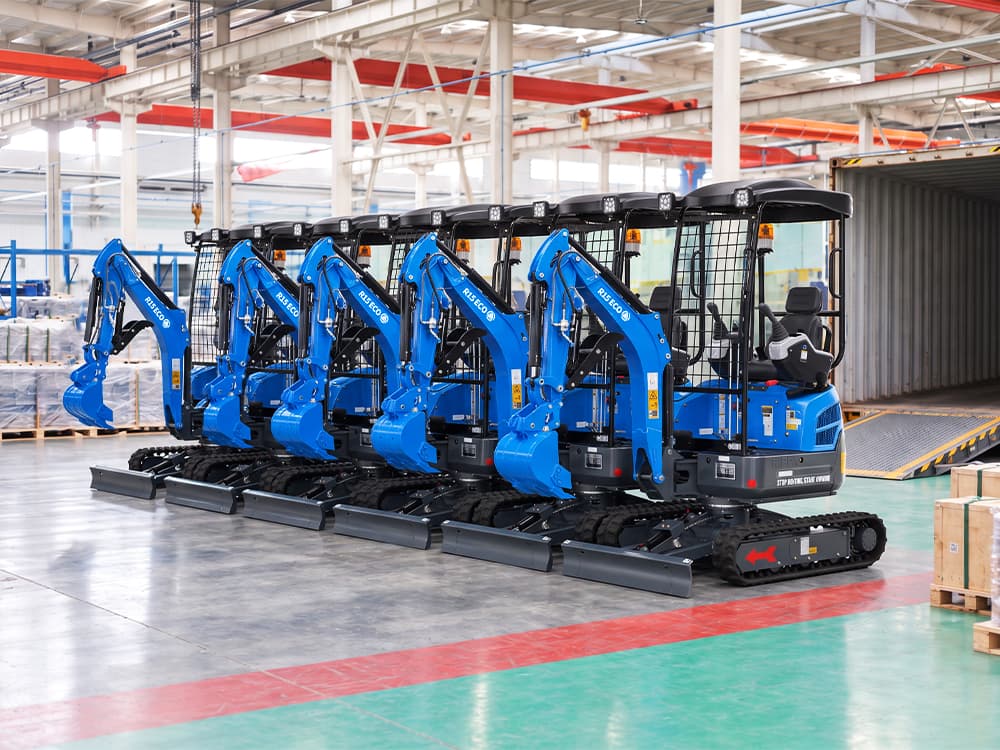
Frequently Asked Questions
What is the difference between a heavy equipment supplier and a manufacturer?
A manufacturer produces equipment, while a supplier may manufacture, source, distribute, or export it. Buyers should confirm the company's actual role and who is responsible for product quality and order fulfillment.
How do I compare heavy equipment suppliers?
Compare product configurations, documentation, quality control, quotation details, export experience, spare parts arrangements, and after-sales procedures.
What documents should I request before buying heavy equipment?
Depending on the product and destination, request product specifications, manuals, commercial documents, inspection records, and applicable compliance documentation. Verify local import requirements independently.
Is the lowest equipment quotation always the best option?
No. Buyers should compare equivalent configurations and consider transportation, import costs, spare parts, service arrangements, and commercial terms.
Choose a Supplier That Supports Long-Term Business
A reliable heavy equipment supplier should provide more than competitive prices. Product knowledge, clear communication, consistent quality, export coordination, and parts support all contribute to a successful purchasing relationship.
For international dealers and importers, evaluating these factors before placing an order can reduce purchasing uncertainty and support long-term business growth.