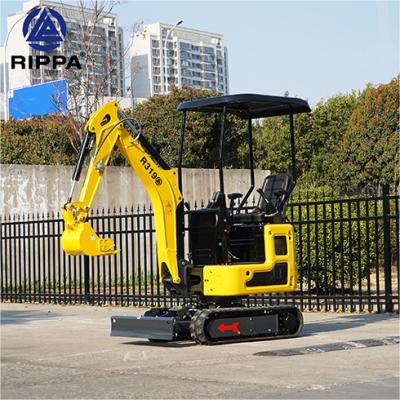
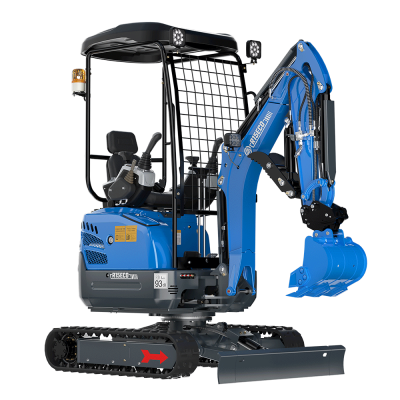
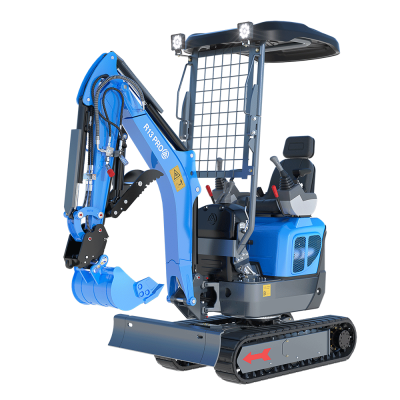
Buying Mini Excavators Wholesale: A Practical Guide for Equipment Dealers
Buying Mini Excavators Wholesale: A Practical Guide for Equipment Dealers
For equipment dealers, buying mini excavators wholesale is not simply a matter of finding a low quotation. A successful sourcing decision needs to account for product suitability, supplier reliability, market demand, logistics, and the ability to support customers after a sale.
Dealers may be purchasing equipment for an established machinery business, expanding an existing product range, or entering the compact excavator market for the first time.
Whatever the business situation, a structured sourcing process can help reduce uncertainty and make supplier comparisons more useful.
1. Define Your Target Customer Before Sourcing
Before contacting manufacturers, identify the customers you intend to serve.
Different markets may have different requirements:
Landscaping businesses may look for compact equipment for outdoor projects.
Agricultural customers may need machinery for farm maintenance.
Construction contractors may prioritize equipment for residential and small-site work.
Rental and fleet businesses may evaluate equipment according to their own operational requirements.
Understanding your customer base helps narrow down the product categories and configurations worth discussing with suppliers.
Dealers should also review local competition and identify which equipment categories are already well represented in their market.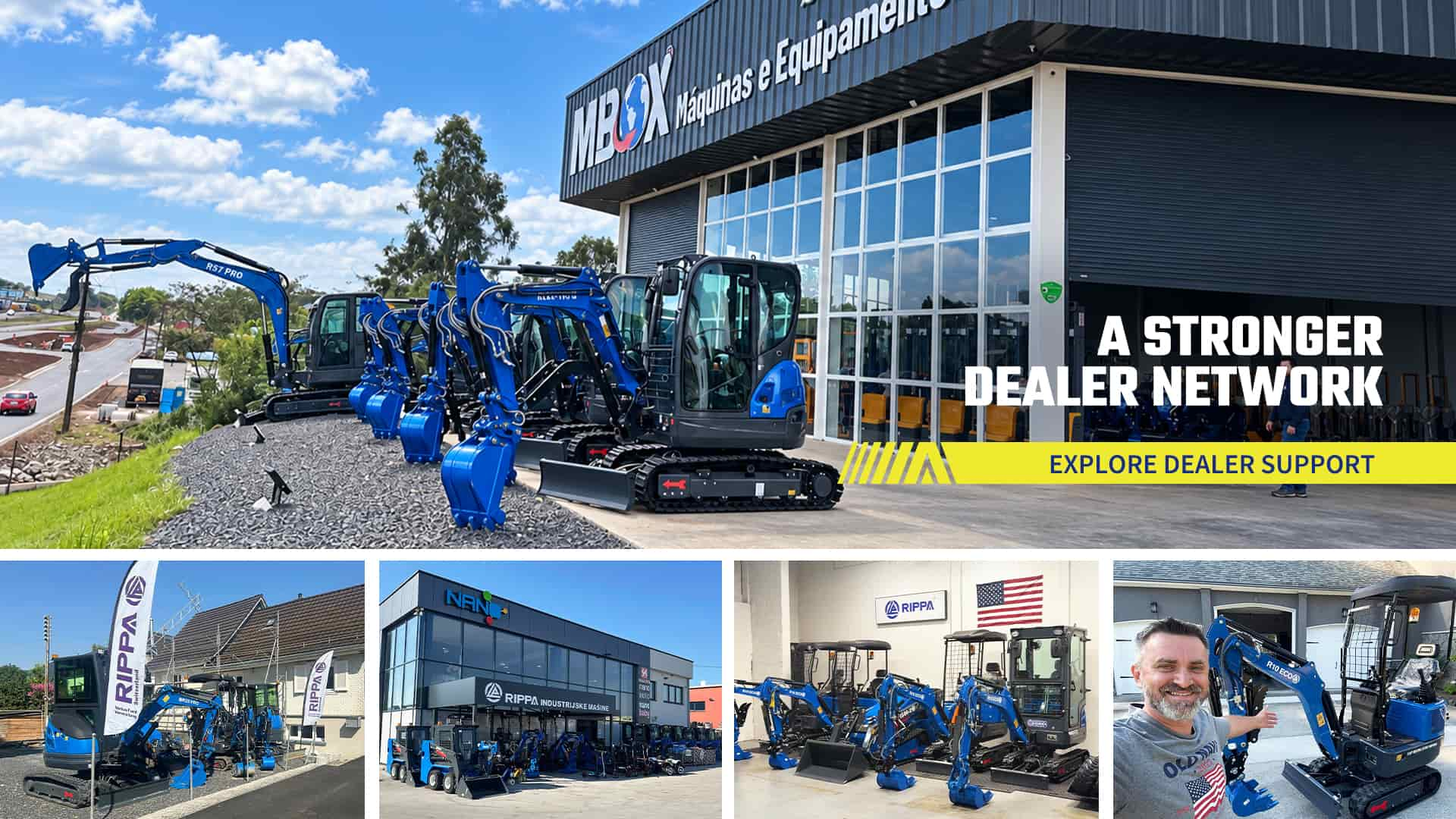
2. Identify the Right Type of Supplier
Mini excavator sourcing may involve manufacturers, trading companies, importers, and regional distributors.
Each type of supplier has a different role.
Manufacturer: Produces equipment and can provide factory-related product information.
Trading company: May coordinate sourcing and international transactions across different product categories.
Importer: Purchases equipment internationally and distributes it within a local market.
Regional distributor: Focuses on supplying products and serving customers in a defined territory.
Dealers should confirm which type of business they are dealing with and understand how the supplier handles product information, orders, and technical communication.
3. Evaluate the Manufacturer's Product Range
A wholesale supplier should be evaluated according to the products that match your market.
When reviewing a mini excavator product range, consider:
The available product categories.
The intended applications of each model.
Available configurations.
Attachment compatibility.
Product documentation.
The consistency of information across quotations and product materials.
Do not select products based only on photographs or short online descriptions. Request the relevant documentation and confirm important details directly with the supplier.
4. Compare Quotations on a Like-for-Like Basis
Wholesale quotations are only useful when the items being compared are clearly defined.
Before comparing prices, confirm:
The exact product and configuration.
Included attachments and accessories.
Packaging and loading arrangements.
Payment terms.
Shipping terms and destination.
Export documentation.
Any additional costs or responsibilities.
For international purchases, clarify the applicable Incoterms and identify which party is responsible for freight, insurance, customs clearance, and local delivery.
A lower initial quotation does not necessarily represent a lower total purchasing cost.
5. Review Parts and Technical Communication
Dealers need to understand how product-related questions will be handled after equipment reaches the market.
Ask the supplier about:
Parts identification and ordering procedures.
Maintenance documentation.
Technical inquiry channels.
Warranty terms applicable to the specific transaction.
The process for reporting product issues.
Responsibilities shared between the manufacturer and distributor.
Make sure that any support arrangements are clearly explained and documented. Avoid relying on general statements without confirming the actual process.
6. Understand Minimum Order and Shipping Requirements
Wholesale purchasing often involves order planning, packaging coordination, and international transportation.
Before placing an order, discuss the supplier's minimum order requirements, production or preparation arrangements, packaging details, and shipping options.
The right order quantity depends on the dealer's market demand, available storage, cash flow, and ability to distribute equipment.
For first-time cooperation, it can be useful to discuss a realistic purchasing plan based on expected demand rather than committing to a quantity without market research.
7. Prepare a Local Sales and Service Plan
Importing equipment is only one part of building a successful machinery business.
Dealers should prepare a local plan covering customer acquisition, product demonstrations where applicable, sales communication, maintenance inquiries, and parts requests.
Consider the following questions:
Which customer groups will be targeted?
What product information do local buyers need?
Who will respond to technical questions?
How will parts requests be managed?
Which marketing channels will be used?
What local regulations apply to importing and selling the equipment?
A clear plan helps connect wholesale sourcing with the actual needs of the local market.
8. Build a Long-Term Manufacturer Relationship
A reliable sourcing relationship should be based on clear communication and realistic expectations.
Dealers should establish how orders are confirmed, how product changes are communicated, how documentation is shared, and how questions are handled.
It is also useful to discuss future product demand and whether the supplier's product range can support the dealer's business development.
For manufacturers, understanding a distributor's target market and customer profile can make cooperation more effective.
Wholesale Mini Excavator Purchasing Checklist
Before confirming an order, review the following items:
Supplier identity and business background verified.
Product model and configuration confirmed.
Product documentation reviewed.
Attachment compatibility checked.
Quotation and payment terms understood.
Shipping and export responsibilities clarified.
Parts and technical communication process discussed.
Local import and compliance requirements reviewed.
Order quantity aligned with market demand.
Sales and customer support plan prepared.
Frequently Asked Questions
How can equipment dealers buy mini excavators wholesale?
Dealers can contact manufacturers or authorized distributors, explain their target market and purchasing requirements, request product information, and compare quotations and cooperation arrangements.
What is the difference between a mini excavator manufacturer and a wholesaler?
A manufacturer produces equipment, while a wholesaler typically purchases products in larger quantities and supplies them to other businesses. Some companies may perform more than one role.
What should I compare when choosing a wholesale supplier?
Compare business background, product range, documentation, quotation details, shipping arrangements, parts procedures, and technical communication.
Should a dealer place a large first order?
Order quantity should reflect market demand, storage capacity, cash flow, and distribution capability. Dealers should evaluate these factors before committing to a wholesale order.
Discuss Wholesale Equipment Sourcing with RIPPA
RIPPA Group works with international equipment buyers and business partners. If you are sourcing mini excavators for wholesale purchasing or distributor cooperation, prepare your target market, product interests, and expected order requirements.
Contact RIPPA through its official website to discuss your equipment sourcing needs and potential business cooperation.