Mini Excavator for Landscaping: How to Choose the Right Equipment for Outdoor Projects
Mini Excavator for Landscaping: How to Choose the Right Equipment for Outdoor Projects
Landscaping projects often require excavation in areas where access is restricted and existing outdoor features must be protected. Contractors may need to prepare garden beds, dig drainage channels, remove soil, or reshape sections of land without bringing large construction equipment onto the site.
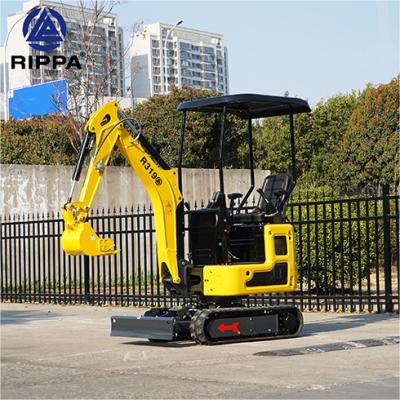
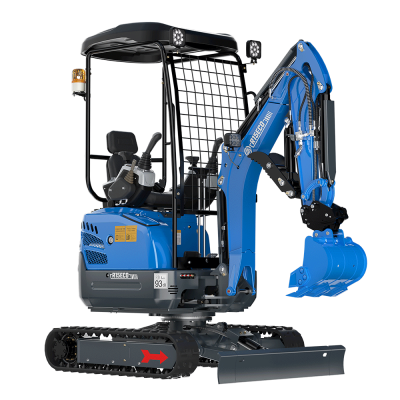
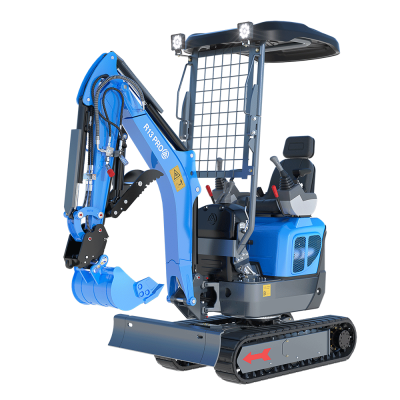
A mini excavator can be a useful option for these tasks, provided that the machine matches the working environment and excavation requirements.
For landscaping businesses considering new equipment, choosing the right model involves more than comparing product names. Access, ground conditions, attachments, transportation, and maintenance all influence long-term usability.
1. Common Landscaping Jobs for Mini Excavators
A compact excavator can support a variety of outdoor projects.
Garden Renovation
Garden renovation may involve removing soil, preparing planting areas, reshaping ground, and excavating sections for new outdoor features.
Equipment selection should account for the available operating space and the need to work around existing landscaping.
Tree and Shrub Planting
Planting projects often require holes of different sizes depending on the plants and site conditions.
A mini excavator may help contractors handle repetitive digging tasks. Operators should still check the required excavation dimensions and work carefully around existing roots and underground utilities.
Drainage Preparation
Landscaping contractors may install or improve drainage around gardens, lawns, and outdoor spaces.
Before selecting equipment, identify the required trench layout, soil conditions, working depth, and access limitations.
Pathway and Outdoor Construction
Some landscaping businesses also prepare ground for pathways, patios, retaining features, and other outdoor improvements.
A compact excavator can assist with suitable digging and soil-removal tasks. The machine should be selected according to the actual work rather than assumed to fit every project.
2. Why Jobsite Access Matters
One of the most important considerations for landscaping equipment is access.
A machine may be suitable for the excavation task but still be difficult to transport into a garden or through a narrow entrance.
Before purchasing, measure:
Gate and entrance widths.
Pathway clearance.
Available turning space.
Ground conditions along the access route.
Space required for loading and unloading.
Also consider nearby buildings, fences, trees, and underground services.
Accurate site measurements help contractors avoid selecting equipment that cannot reach the intended working area.
3. Choose Equipment Based on Soil and Ground Conditions
Landscaping jobs can involve very different ground conditions.
A contractor may work with loose garden soil on one project and compacted or clay-heavy ground on another. Slopes, wet surfaces, roots, and buried materials can also affect machine operation.
When comparing equipment, consider the typical soil conditions in your service area.
It is useful to discuss the intended applications with the supplier and confirm whether the machine is appropriate for those conditions.
4. Consider Attachments Before Purchasing
Attachments can influence the range of landscaping tasks a machine can perform.
Depending on compatibility and the intended job, contractors may evaluate buckets and other suitable work tools.
Before ordering, ask the supplier:
Which attachments are available?
Which attachment sizes are compatible?
Are additional connection components required?
How are attachments installed and changed?
Are operating instructions provided?
Do not assume that every attachment fits every excavator. Confirm compatibility with the manufacturer or supplier.
5. Transportation and Daily Operation
Landscaping companies may move equipment between several customer sites in a single week.
Transportation planning should therefore be part of the buying decision.
Consider the available trailer or transport vehicle, loading arrangements, local road regulations, and the total transport requirements of the equipment.
Also evaluate how the machine will be stored, maintained, and prepared for daily work.
A purchasing decision that accounts for transportation and maintenance can help a landscaping business plan equipment use more effectively.
6. How Landscaping Contractors Can Compare Suppliers
The supplier is an important part of the equipment purchasing process.
Before placing an order, review the supplier's product information and ask for clear answers about the equipment.
A practical supplier evaluation checklist includes:
Does the supplier provide complete product information?
Can the intended applications be discussed clearly?
Are attachment compatibility details available?
Is maintenance documentation provided?
Can replacement parts be identified and ordered?
Are shipping and purchasing responsibilities clear?
Is there a reliable contact for technical questions?
For businesses purchasing from overseas, also clarify export documentation, freight arrangements, import requirements, and the communication process after delivery.
7. Is a Mini Excavator a Good Investment for a Landscaping Business?
The value of an excavator depends on how often the business can use it and which tasks it can perform.
Contractors should review their recent project types, the amount of manual excavation involved, equipment transportation costs, and the demand for excavation services.
A simple assessment can help:
List the jobs that currently require manual digging.
Estimate how frequently those jobs occur.
Identify projects that could benefit from compact excavation equipment.
Compare equipment ownership costs with the company's expected workload.
Consider maintenance, transportation, and operator requirements.
This approach helps contractors make a decision based on business needs rather than general marketing claims.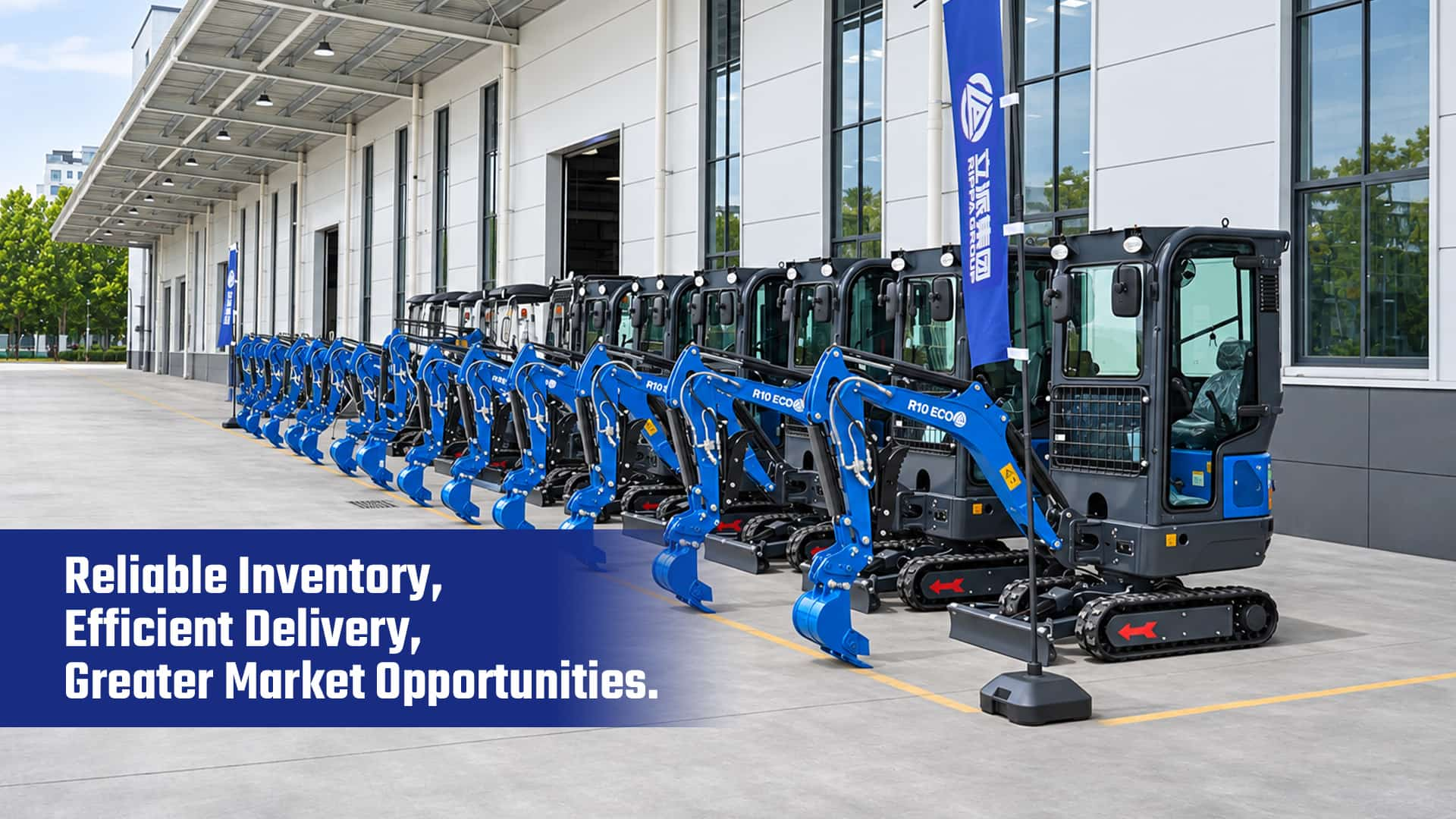
Frequently Asked Questions
What is a mini excavator used for in landscaping?
Common applications include garden renovation, planting preparation, drainage work, soil removal, and outdoor construction preparation.
Can a mini excavator work in a small garden?
It may be suitable for some small gardens, depending on access dimensions, working space, soil conditions, and the machine's capabilities. Measure the site before purchasing.
Which attachments are useful for landscaping?
Buckets are commonly considered, while other tools may be appropriate for specific applications. Always confirm attachment compatibility with the supplier.
What should landscaping contractors consider before buying?
Review access, soil conditions, excavation requirements, attachments, transportation, maintenance, and supplier support.
Discuss Landscaping Equipment with RIPPA
RIPPA supplies construction equipment to international buyers and business partners. Landscaping contractors and equipment dealers can contact the team to discuss their applications and equipment sourcing requirements.
A clear description of your typical projects will help make the equipment discussion more productive.