Looking for a Mini Excavator Dealer? 6 Things Buyers Should Check First
Searching for a mini excavator dealer is often the first step toward purchasing construction equipment. However, finding a business that lists excavators for sale does not automatically mean it is the right supplier.
Buyers need to understand what the dealer actually offers, whether the equipment matches their requirements, and how communication and support will work after an order is placed.
Whether you are a contractor purchasing one machine or a business sourcing equipment for resale, the following six checks can help you evaluate a mini excavator dealer more effectively.
1. Confirm the Dealer's Business Background
Start by checking whether the company is an established equipment business.
Review its official website, business address, product categories, company information, and contact details. Look for evidence that it regularly works with construction equipment rather than simply publishing unrelated product listings.
For international buyers, it is also useful to understand whether the company is a local dealer, an importer, a distributor, or a direct manufacturer.
These business models can involve different purchasing processes and service arrangements.
2. Check Whether the Product Range Matches Your Needs
A dealer's product range can tell you whether it serves your type of work.
Some businesses focus on compact excavators, while others offer a wider selection of construction equipment, such as skid steer loaders, wheel loaders, and backhoe loaders.
Before requesting a quotation, identify the equipment category and intended application.
For example:
Landscaping contractors may need compact equipment for restricted spaces.
Agricultural businesses may prioritize property maintenance applications.
Construction companies may require several equipment categories.
Equipment resellers may need a product range that serves different customer groups.
A supplier that understands your application can usually have a more productive purchasing discussion.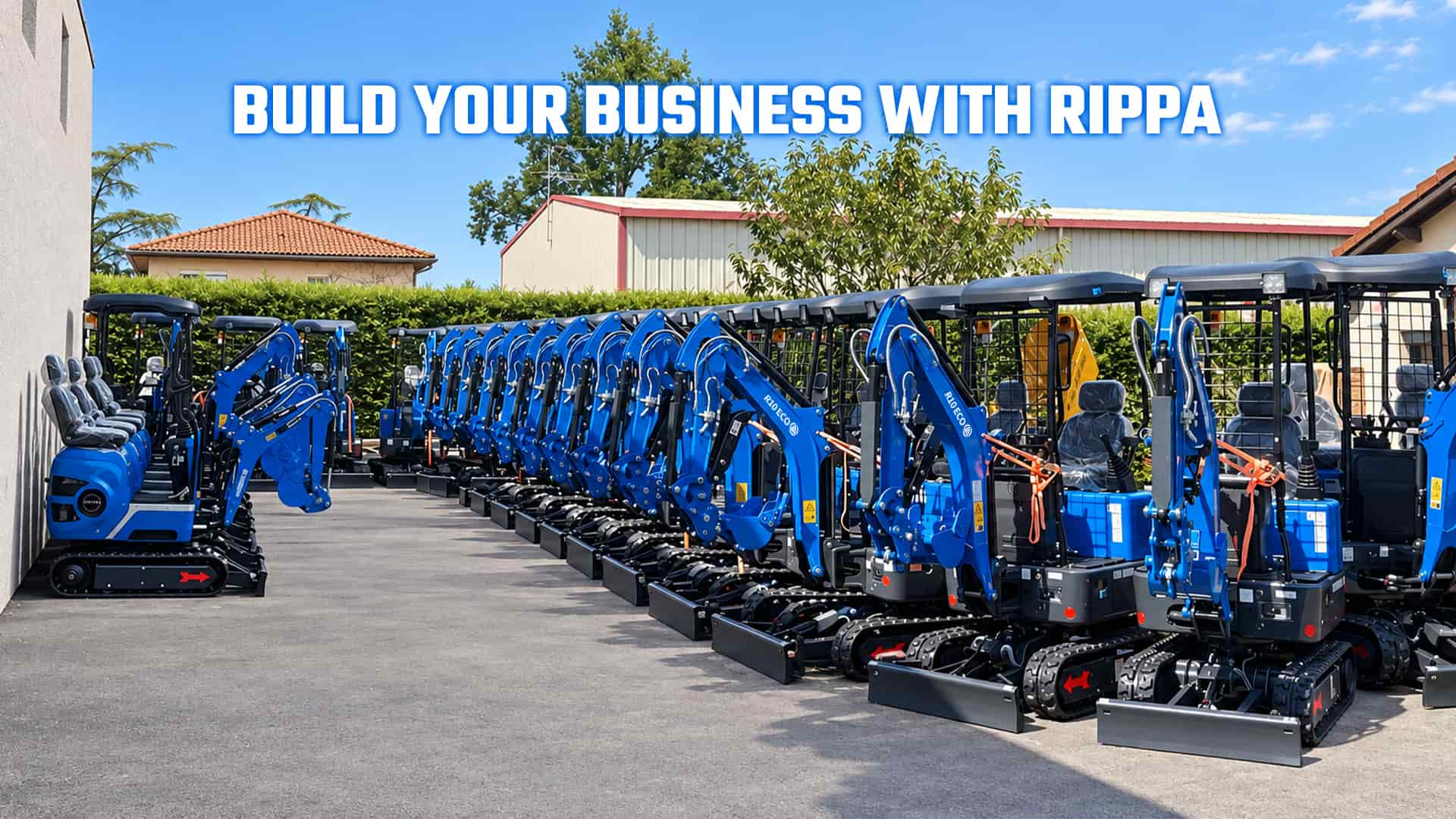
3. Ask About Product Documentation
Reliable purchasing decisions require clear product information.
Ask the dealer or manufacturer for the documentation relevant to the equipment you are considering. Depending on the product and destination market, this may include product specifications, operating manuals, maintenance information, and applicable compliance documents.
Do not rely only on short advertisements or social media descriptions.
Compare the information supplied with your actual job requirements and confirm any important details in writing before placing an order.
4. Understand Parts and Technical Support Arrangements
Equipment ownership involves more than the initial purchase.
Buyers should ask how routine maintenance information is provided, how replacement parts can be requested, and who handles technical questions.
For overseas purchases, clarify the communication process between the local dealer and the manufacturer.
Useful questions include:
Who should be contacted when a technical question arises?
How are replacement parts identified and ordered?
What information is needed when reporting an equipment issue?
Is maintenance documentation available?
Which support responsibilities belong to the dealer and which belong to the manufacturer?
Clear answers help buyers understand the support process before committing to a purchase.
5. Compare the Full Purchasing Process
A quotation should be reviewed as part of the entire purchasing process.
Buyers should compare the equipment offered, product documentation, payment terms, shipping arrangements, import responsibilities, and communication procedures.
For international transactions, confirm which party is responsible for export documentation, freight coordination, customs clearance, and local delivery.
Do not compare suppliers on headline price alone. Differences in product configuration, shipping terms, and included services can affect the actual purchasing decision.
6. Verify Whether the Dealer Is Authorized
If you are looking for a particular equipment brand, ask whether the seller is an authorized dealer or an independent reseller.
For brand-specific purchases, buyers can contact the manufacturer through its official website to verify the business relationship.
This is particularly important when purchasing for resale or when local market representation matters.
Local Dealer or Direct Manufacturer: Which Should You Choose?
The answer depends on your purchasing needs.
A local dealer may offer closer communication, local market knowledge, and a more familiar purchasing process. A direct manufacturer may be relevant for importers, distributors, and buyers who want to discuss product sourcing with the factory.
Before choosing, compare:
| Consideration | Local Dealer | Direct Manufacturer |
|---|---|---|
| Local market knowledge | Often a key advantage | Depends on local presence |
| Product sourcing | Based on dealer arrangements | Direct factory communication |
| Purchasing process | Usually local-market focused | May involve international trade |
| Parts and technical communication | Confirm local arrangements | Confirm manufacturer support channels |
| Distributor cooperation | Depends on the dealer's business | Can be discussed directly |
Neither option is automatically better for every buyer. The best choice depends on location, order requirements, and the level of support needed.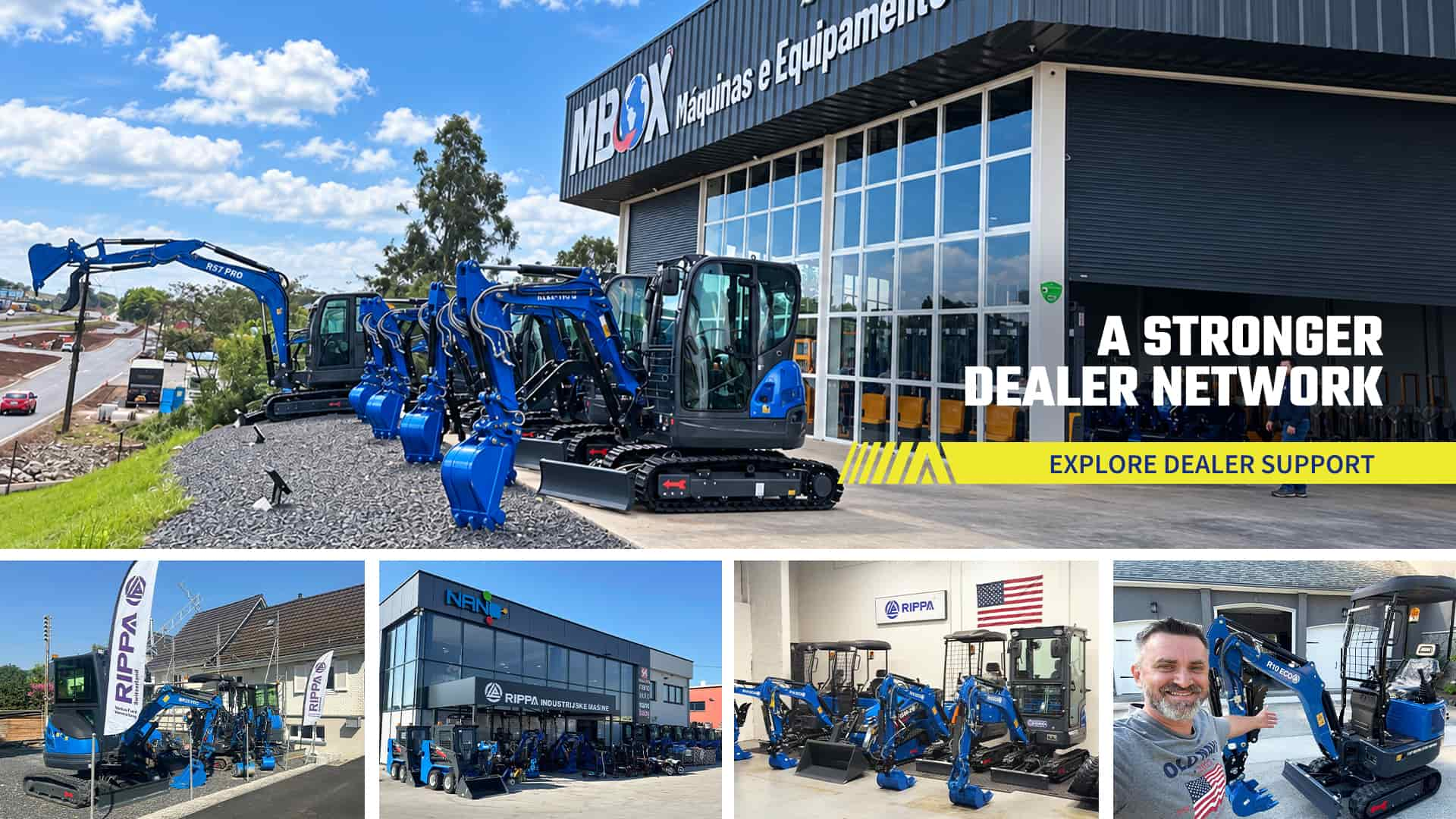
Frequently Asked Questions
How do I find a mini excavator dealer near me?
Search for equipment dealers in your area, review their official websites and business information, and contact them to confirm product availability and their relationship with the manufacturer.
How can I verify a mini excavator dealer?
Check its business information, contact details, product range, customer service process, and authorization status where applicable. You can also contact the manufacturer for confirmation.
Should I buy from a dealer or directly from a manufacturer?
Local dealers may provide local-market services, while direct manufacturers may be suitable for importers and distributors. Compare the complete purchasing and support arrangements before deciding.
What should I ask before buying a mini excavator?
Ask about product documentation, configuration, attachments, maintenance, spare parts, shipping, payment terms, and technical support.
Contact RIPPA for Dealer and Equipment Inquiries
RIPPA works with international equipment buyers and business partners. If you are evaluating mini excavators for your company or exploring a potential distribution relationship, contact RIPPA through its official website to discuss your market, product interests, and purchasing requirements.