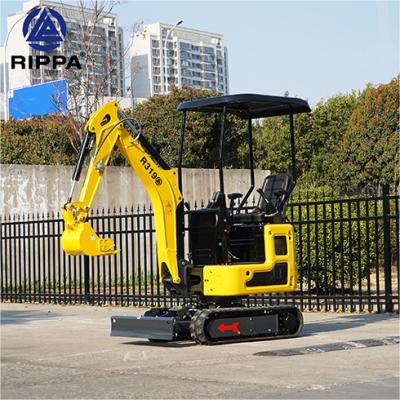
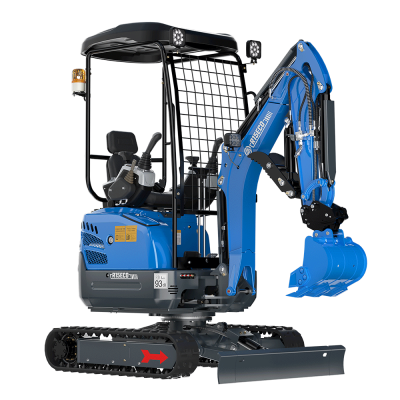
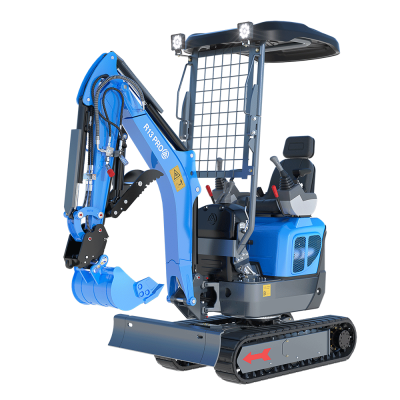
R319 Mini Excavator: Where Can This Compact Machine Be Used?
R319 Mini Excavator: Where Can This Compact Machine Be Used?
When buyers search for an R319 mini excavator, they are often looking for more than a product name. They want to understand whether this type of compact excavator can handle their daily work, fit their jobsite, and support their business needs.
A mini excavator can be a practical choice for contractors, landscaping companies, farms, and equipment dealers that serve customers with small- to medium-scale projects. The right machine depends on the working environment, required attachments, transportation arrangements, and the type of jobs performed most frequently.
This guide looks at common applications and the purchasing considerations buyers should review when evaluating the RIPPA R319.
1. Landscaping and Garden Projects
Landscaping work often takes place in areas where larger construction equipment is difficult to operate. Residential gardens, parks, and private outdoor spaces may have narrow access routes, existing plants, fences, or finished surfaces that require careful handling.
A compact excavator can support tasks such as:
Digging holes for trees and shrubs.
Preparing ground for garden redesign.
Excavating small drainage channels.
Removing soil from restricted areas.
Assisting with outdoor renovation projects.
For landscaping contractors, the important question is not simply machine size. Access width, ground conditions, digging requirements, and transportation between jobsites should all be considered.
2. Farm and Agricultural Maintenance
Farm operators regularly handle small excavation and property maintenance tasks. These jobs may include maintaining drainage routes, preparing ground for fencing, clearing sections of land, and carrying out general property improvements.
A compact excavator can help reduce the amount of manual digging required for suitable jobs.
Before selecting a machine for agricultural use, buyers should consider the terrain, soil conditions, frequency of operation, and whether the equipment can be transported between different working areas.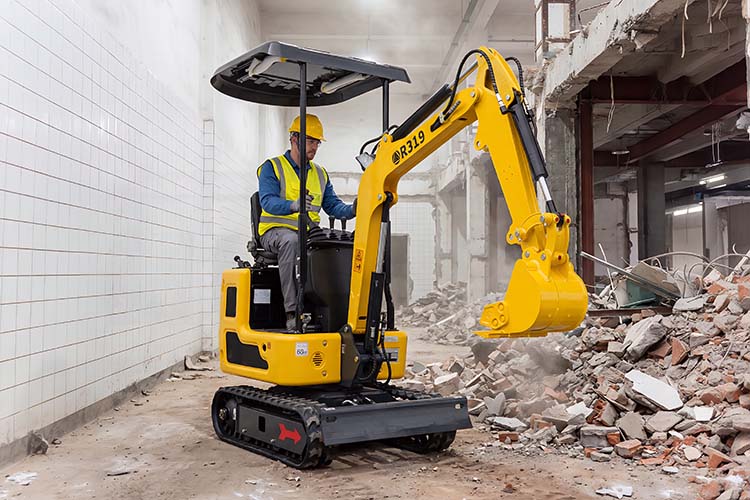
3. Residential Construction and Renovation
Residential projects frequently involve limited working space. Contractors may need to excavate around buildings, prepare areas for utility work, or complete small foundation and drainage tasks.
A mini excavator can be useful where a larger machine would be difficult to position. However, contractors should check access conditions and the actual working requirements before purchasing.
Important questions include:
Is there enough room to enter and operate?
What depth and working reach are required?
Will the machine work on soft, uneven, or compacted ground?
Can it be transported using the company's existing equipment?
These questions help buyers avoid choosing equipment based only on appearance or general product descriptions.
4. Drainage and Utility Preparation
Small contractors may handle drainage improvements, cable routes, water-related groundwork, and other utility preparation projects.
For these applications, digging accuracy and jobsite access are important. Buyers should assess the required trench dimensions, soil type, ground conditions, and any restrictions around existing structures or underground services.
Operators must identify underground utilities before excavation and follow applicable local safety requirements.
5. What Should Buyers Check Before Choosing an R319?
A useful purchasing decision starts with the work the machine will actually perform.
Job requirements: List the most common tasks and identify the required digging depth, reach, and working conditions.
Access limitations: Measure gates, pathways, work areas, and transportation access before ordering.
Attachment compatibility: Confirm which attachments are available and whether they are suitable for the intended applications.
Maintenance arrangements: Ask the supplier about routine maintenance requirements, parts availability, and technical support channels.
Supplier capability: Review the manufacturer's business background, product information, export experience, and communication process.
For equipment dealers, it is also important to understand the product positioning and the customer groups most likely to purchase this type of machine.
6. Is the R319 Suitable for Equipment Dealers?
Dealers should evaluate a mini excavator from both the product and business perspectives.
A product may attract interest from landscaping contractors, farm operators, property maintenance companies, and small construction businesses. However, the local market determines which applications are most commercially relevant.
Before adding a model to a product lineup, dealers should consider:
The local demand for compact excavation equipment.
The types of customers they already serve.
The availability of suitable attachments.
Parts and after-sales communication arrangements.
Product information and marketing resources provided by the manufacturer.
A clear understanding of these factors helps dealers decide whether the R319 fits their market.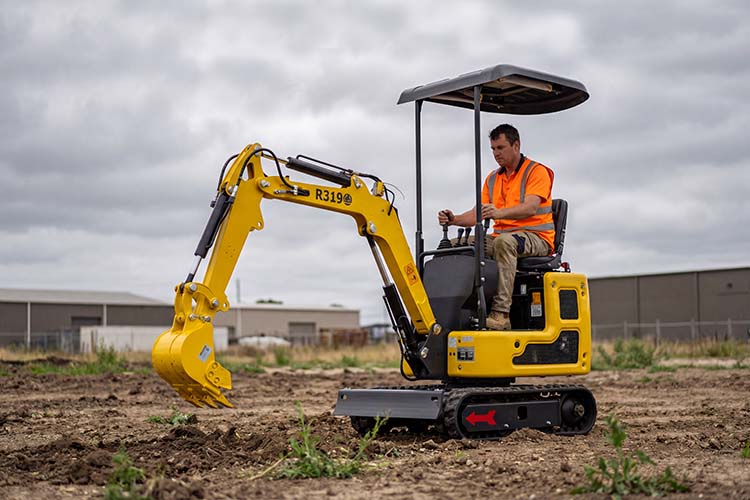
Frequently Asked Questions
What jobs can an R319 mini excavator be used for?
Potential applications include landscaping, farm maintenance, residential renovation, drainage preparation, and other small excavation projects. Suitability depends on the actual job requirements and working conditions.
Is a mini excavator suitable for residential projects?
It can be suitable for certain residential jobs where access is limited and excavation requirements are within the machine's working capabilities. Buyers should check site measurements and job requirements first.
What should I ask a mini excavator supplier before ordering?
Ask about product documentation, available configurations, attachment compatibility, maintenance information, spare parts, shipping arrangements, and technical support.
Should equipment dealers evaluate applications before selecting a model?
Yes. Understanding local customer needs helps dealers select equipment that matches the projects and working conditions in their market.
Talk to RIPPA About Your Equipment Requirements
RIPPA provides construction equipment for international buyers and equipment dealers. If you are evaluating the R319 for your business, prepare your application requirements and purchasing questions before contacting the team.
Discussing the intended use, local market, and equipment requirements can help establish whether the product is appropriate for your needs.