Mini Excavator Supplier: 7 Factors to Consider Before Choosing a Manufacturer
Choosing a mini excavator supplier is an important decision for construction companies, equipment dealers, and international machinery importers.
The supplier you select can influence product consistency, purchasing efficiency, spare parts availability, and the overall equipment sourcing experience.
For businesses purchasing from overseas manufacturers, supplier evaluation should involve more than comparing the initial quotation.
Here are seven important factors to consider when selecting a mini excavator supplier.
1. Manufacturing Capabilities
The first step is to understand whether a supplier is an actual manufacturer or a trading intermediary.
A manufacturer may provide more direct access to product information, production processes, and configuration discussions.
Buyers should ask questions such as:
Where is the equipment manufactured?
What product categories does the company produce?
Can the supplier provide company and factory information?
Are product configurations documented?
Does the supplier have experience with international orders?
The goal is to understand the supplier's actual business capabilities.
2. Product Range and Configuration
Different buyers have different equipment requirements.
A construction contractor may need equipment for specific jobsite applications, while an equipment dealer may need several product categories for local customers.
Before selecting a supplier, review:
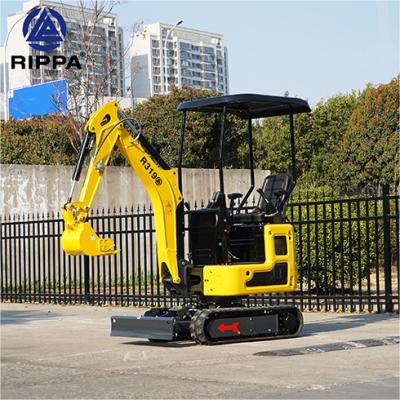
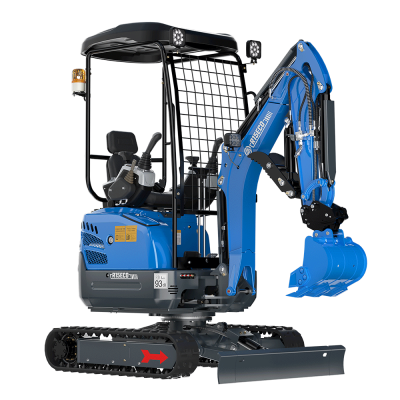
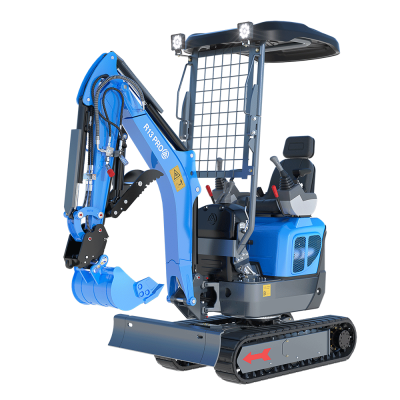
Available mini excavator models
Engine options
Cab and canopy configurations
Attachment availability
Product documentation
Applicable market requirements
Always request the latest official product information instead of relying on outdated online listings.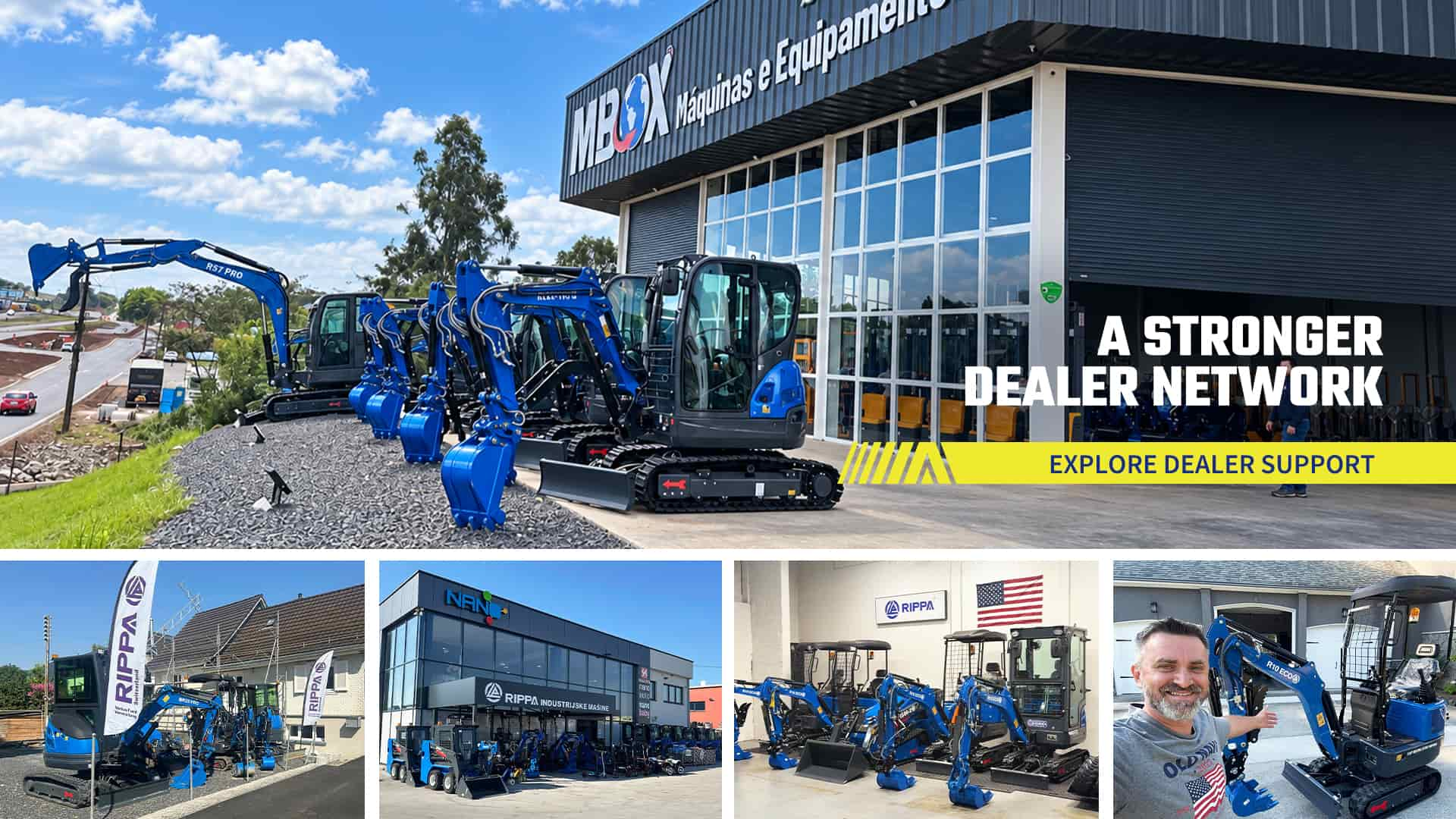
3. Spare Parts and Technical Support
Parts availability is an important consideration when purchasing equipment from another country.
Before ordering, ask the supplier:
How are replacement parts requested?
Are parts identification documents available?
What information is required for a parts order?
How are technical questions handled?
What are the procedures for warranty-related issues?
A clear parts support process can help equipment owners and distributors manage future maintenance requirements.
4. International Shipping Experience
For overseas buyers, the purchasing process does not end when the machine leaves the factory.
International shipping involves several important steps:
Order confirmation
Production coordination
Export documentation
Freight arrangements
Destination port procedures
Customs clearance
Final delivery coordination
Buyers should clarify which shipping services are included in the quotation and which responsibilities belong to the importer.
5. Product Quality and Compliance Documentation
Equipment buyers should verify product information and relevant compliance documentation before purchasing.
Depending on the destination market, different regulations and documentation may apply.
Ask the supplier for:
Official product specifications
User and maintenance manuals
Relevant certificates
Product identification information
Applicable conformity documentation
Do not assume that every product configuration automatically meets the same regulatory requirements.
6. Communication and Commercial Transparency
A professional mini excavator supplier should communicate clearly throughout the purchasing process.
Pay attention to whether the supplier can explain:
Product configurations
Quotation details
Order requirements
Production arrangements
Shipping responsibilities
Parts ordering procedures
Buyers should also ensure that commercial terms are documented before making payment.
Clear communication is particularly important when dealing with international suppliers across different time zones.
7. Long-Term Business Cooperation
For distributors, selecting a mini excavator supplier is not just a one-time purchasing decision.
Long-term cooperation may involve:
Repeat equipment orders
New product introductions
Dealer development
Marketing materials
Spare parts procurement
Customer support coordination
A supplier that understands the distributor's target market can make future cooperation more efficient.
Why Consider RIPPA as Your Mini Excavator Supplier?
RIPPA Group is a Chinese construction machinery manufacturer headquartered in Jining, Shandong.
The company's equipment portfolio includes mini excavators and other construction machinery for international markets.
RIPPA serves overseas buyers, construction businesses, and equipment distributors.
International buyers can contact the company to discuss product information, purchasing requirements, and potential distribution cooperation.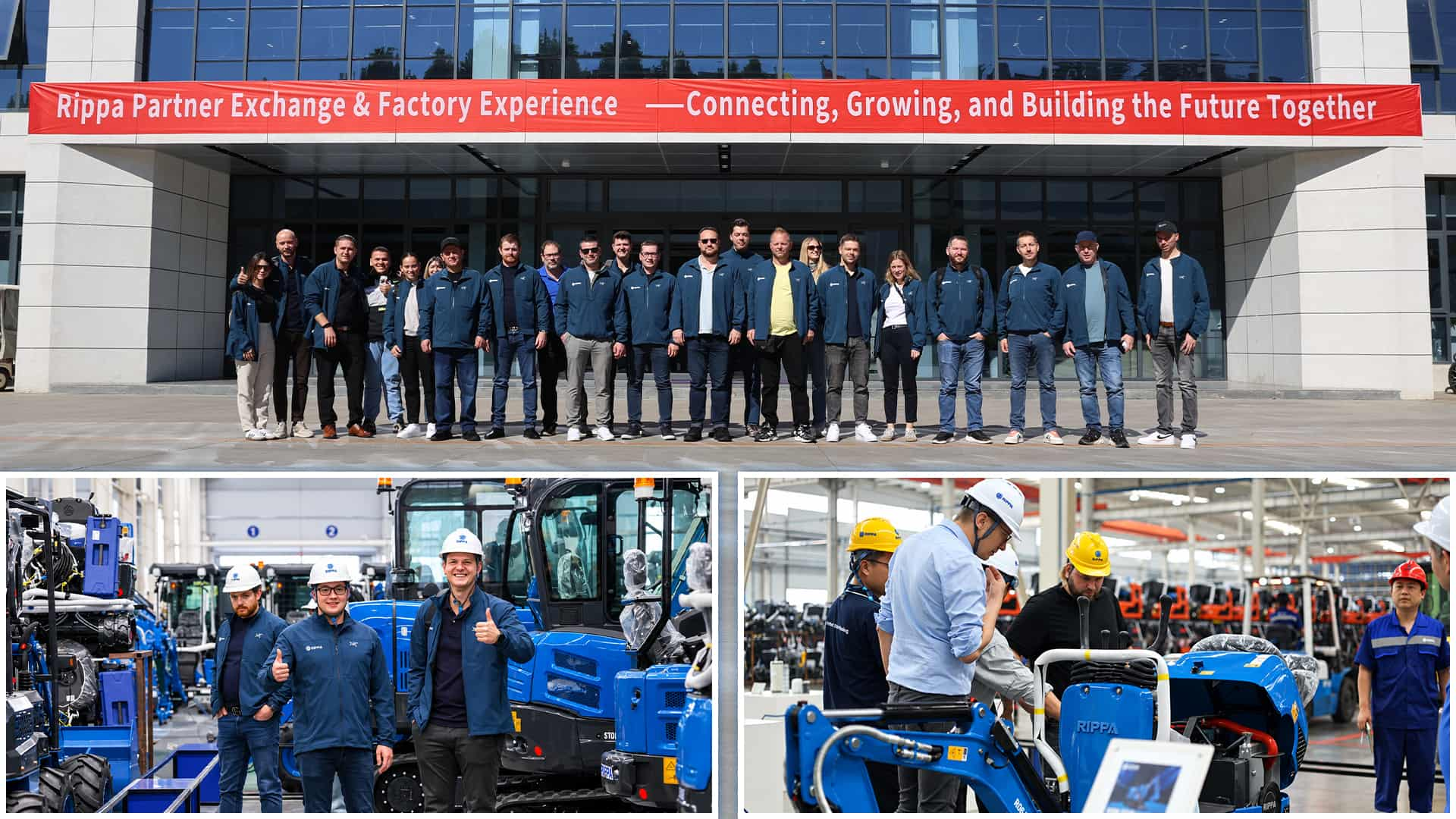
Frequently Asked Questions
What makes a reliable mini excavator supplier?
A reliable supplier should have verifiable business information, clear product documentation, transparent commercial terms, and an established process for parts and technical support.
Should I buy directly from a mini excavator manufacturer?
Direct purchasing may provide a more direct communication channel with the manufacturing source. Buyers should still compare total costs and supplier capabilities.
What should I ask before importing a mini excavator?
Ask about product configuration, shipping arrangements, documentation, parts availability, payment terms, and after-sales procedures.
Can a mini excavator supplier support equipment dealers?
Some manufacturers work directly with overseas distributors and may offer product information and distribution cooperation. The specific arrangements should be confirmed with the supplier.
Contact RIPPA for Mini Excavator Supply
Looking for a Chinese mini excavator supplier for your construction business or equipment distribution operation?
Contact RIPPA Group to explore its construction machinery product range and discuss your international purchasing requirements.