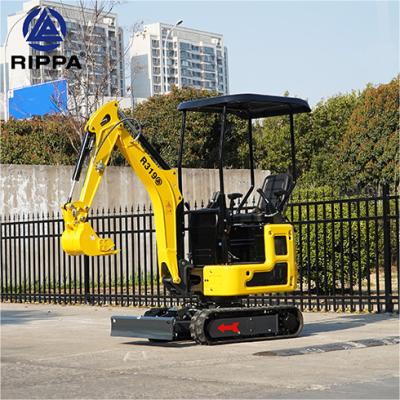
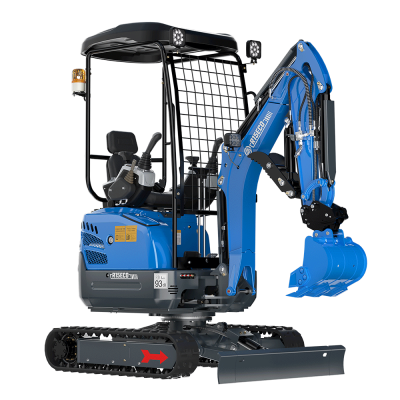
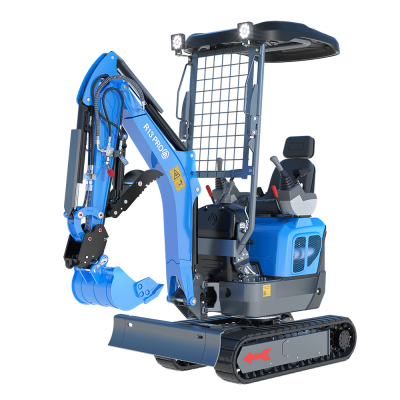
Chinese Mini Excavator Factory: What Professional Buyers Should Inspect
A Chinese mini excavator factory should be evaluated by its production control, documentation and ability to support machines after delivery. For distributors and fleet buyers, a polished catalogue is not enough. The factory must show how incoming components, assembly, testing, configuration changes and quality problems are managed.
Look Inside the Production Process
Professional evaluation begins with traceability. Ask how the factory records models, key components and inspection results. Clear identification helps investigate problems and supply the correct replacement part. Confirm that sales materials and production orders use the same information.
How Should a Factory Test Mini Excavators?
Ask for the factory's actual pre-delivery inspection checklist. It may cover starting, controls, travel, swing, hydraulic functions, warning devices, visible leakage, fluid levels and ordered accessories. The relevant point is whether results are recorded against a specific machine and whether failed checks trigger corrective action before packing.
For model-specific performance, use the approved manual rather than a general sales claim. Technical data can vary by model or revision, so approve a written configuration before production and verify it during final inspection.
Review Customization and Compliance Carefully
Dealers may request branding, colors, attachments or market-specific components. Each change needs approval and clear responsibility. Too much customization on a first order increases complexity, so it is safer to validate demand with a controlled configuration.
Factory Support Continues After Delivery
A dependable factory should provide parts identification, manuals, technical communication and a workable claim process. Before ordering, test how quickly the team answers a realistic parts or service question. Confirm how evidence is submitted, who diagnoses the issue and how approved parts are shipped.
Turn the Factory Audit Into a Purchasing Decision
An audit is useful only when findings are tied to commercial risk. Cover production control, inspection, documents, customization, parts and technical response. Classify findings by severity and assign responsibility for corrective action.
Compare evidence across the sample, pre-shipment inspection and condition after arrival. Consistent results support repeat orders; if quality varies, limit exposure until corrections are proven.
Communication should be tested as carefully as production. A factory that clearly records decisions, confirms changes in writing and provides realistic lead times is easier for dealers to manage. These habits reduce misunderstandings when order quantities grow or multiple configurations enter the supply chain.
RIPPA Machinery offers mini excavator solutions for overseas dealers, importers and equipment businesses. Buyers can request current product documentation, discuss attachments and logistics, and build an initial order around local market demand. All parameters and compliance documents should be verified for the selected configuration.
The best Chinese mini excavator factory relationship is built on measurable controls and clear communication. Audit the process, inspect a sample, document every configuration and expand only after the first machines meet commercial and service expectations.