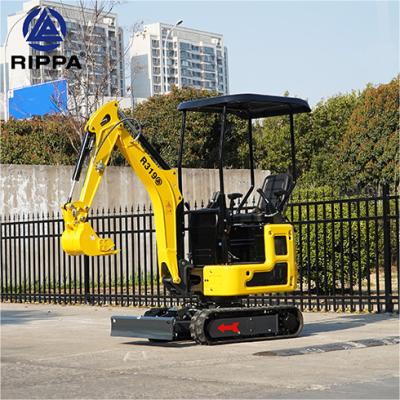
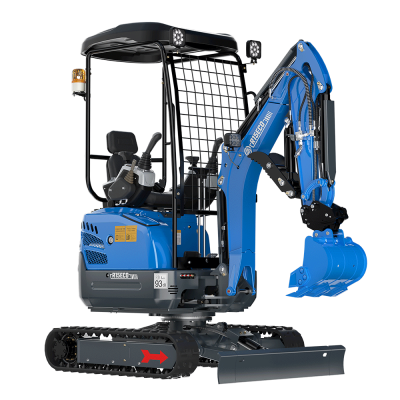
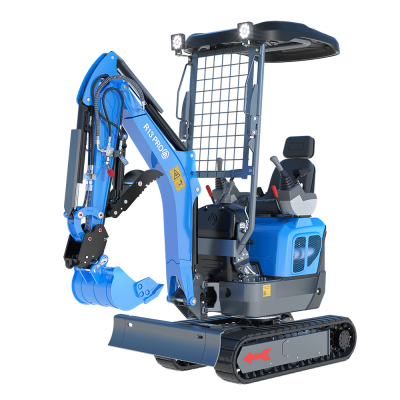
Mini Excavator Supplier in China for Dealers and Bulk Buyers
Choosing a mini excavator supplier in China requires a different process for wholesale buyers than for someone purchasing one machine. Dealers must consider product positioning, inventory turnover, parts coverage, sales materials and long-term supply consistency. A supplier that supports these business needs can create more value than the lowest initial quotation.
Build a Product Range Around Local Demand
Start by segmenting customers according to application. Landscaping teams may prioritize narrow access and easy transport, while farms may value attachment versatility and simple maintenance. Rental companies often focus on intuitive controls, durability and fast service turnaround. This demand map helps buyers select a focused range instead of carrying too many similar machines.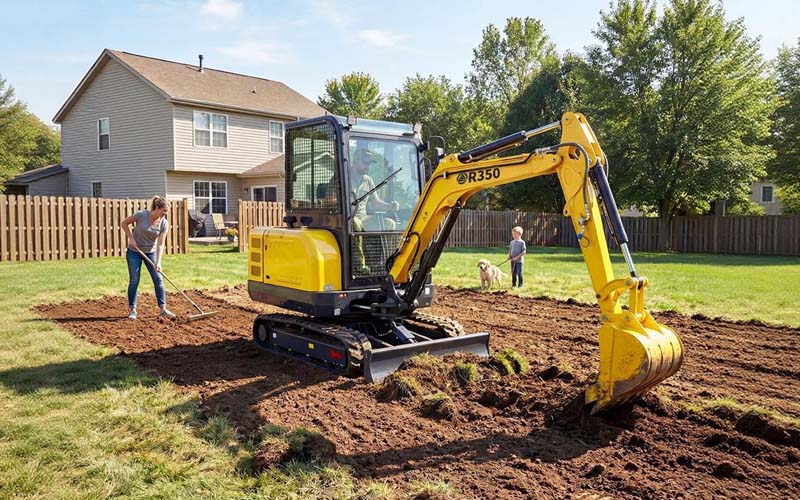
Compare Wholesale Offers on Equal Terms
A useful quotation should identify machine quantity, included attachments, spare parts, packing, production lead time, Incoterms, payment stages and document responsibilities. Compare offers line by line. One supplier may include a wider service package, while another may quote only the base machine.
Container planning affects landed cost and stock strategy. Request a loading proposal and realistic schedule. New dealers can reduce exposure through a controlled first order, then reorder based on inquiry and sales data.
Protect Dealer Margin Through After-Sales Planning
Dealer profit is influenced by warranty labor, parts freight, machine downtime and customer retention. Before signing an agreement, define the warranty procedure, evidence required for claims and the expected technical response. Create an opening spare-parts package based on the selected models and likely service demand.
Work With RIPPA Machinery
RIPPA Machinery serves international customers looking for compact construction equipment and business cooperation. Dealers and bulk buyers can discuss market positioning, product selection, attachments, spare parts and shipping plans with the export team. Availability, technical data and destination-specific documents must be confirmed for each order.
Measure the Results of the First Sales Cycle
The first shipment should guide the next purchase. Track inquiries, conversion, selling time, requested attachments and common objections by machine category. Combine this with warranty cases and parts use. High inquiry volume matters less if a model requires heavy discounting.
Review where leads originate because contractors, farms, landscapers and rental customers respond to different applications. Structured feedback helps refine configurations, sales materials and inventory.
Inventory planning should remain conservative until demand is proven across more than one sales period. Reorder points can reflect production and shipping lead times, while a small parts reserve protects service continuity. This measured approach allows the dealer relationship to grow without tying excessive capital to slow-moving stock.
A strong mini excavator supplier in China should make purchasing easier to verify and after-sales service easier to deliver. Prepare a clear requirement sheet, conduct due diligence and begin with an order that your team can sell and support confidently. Once performance is proven, expand the range using actual local demand rather than catalogue size alone.