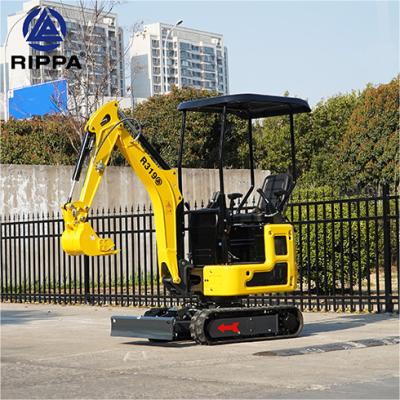
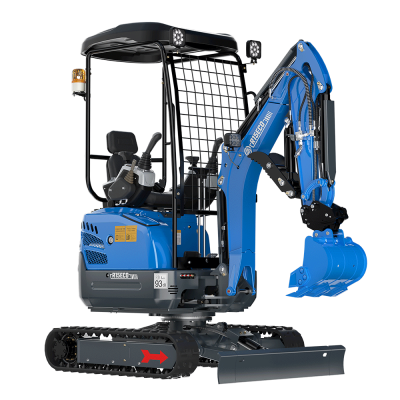
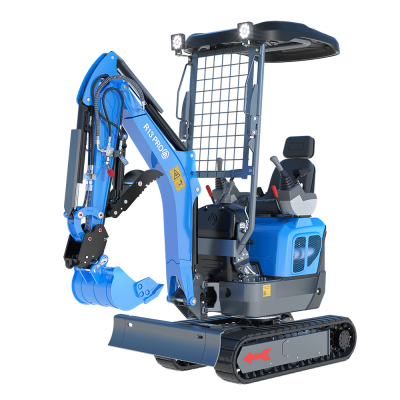
Chinese Mini Excavator Sourcing Checklist for Dealers and Importers
Sourcing Chinese mini excavators can give equipment dealers and importers access to a wide range of compact construction machinery. But successful sourcing requires more than finding a supplier and requesting a price.
A structured sourcing checklist helps buyers compare manufacturers, reduce communication problems, and prepare for repeat orders.
1. Define Your Target Market First
Before contacting Chinese mini excavator suppliers, identify where and how the machines will be sold.
Different markets can have different requirements for:
Equipment configuration
Safety standards
Documentation
Emissions requirements
Shipping
Spare parts
Operator expectations
Dealer service
A supplier that works well for one market may not automatically be the right fit for another.
Start with the customer rather than the machine.
2. Decide Whether You Need Retail or Wholesale Supply
The purchasing process changes significantly depending on your business model.
If you need one machine for your own construction project, local availability may be more important.
If you operate a machinery dealership, wholesale supply becomes more important.
Dealers should consider:
Expected annual purchasing volume
Inventory requirements
Product range
Lead generation
Local sales channels
Service capability
Parts inventory
Territory development
This information should be communicated to the manufacturer at the beginning.
3. Verify the Manufacturer
Do not evaluate suppliers only through product photographs.
Check whether the company provides clear information about:
Factory location
Manufacturing history
Production facilities
Engineering team
Quality management
Export markets
Product portfolio
Dealer network
A manufacturer that can clearly explain its operations is easier to evaluate than an anonymous online seller.
4. Compare the Product Portfolio
A dealer rarely sells only one machine forever.
Consider whether the manufacturer can support your future product strategy.
For example, your initial product focus may be mini excavators, while future customers may ask for:
Skid steer loaders
Wheel loaders
Larger excavators
Backhoe loaders
Forklifts
A broader product portfolio may create opportunities to increase the value of each customer relationship.
5. Request a Complete Commercial Quotation
A useful quotation should contain enough information for you to understand what is included.
Ask about:
Machine configuration
Packaging
Loading method
Spare parts
Documentation
Shipping terms
Production arrangements
Payment conditions
Optional equipment
Avoid comparing quotations when the contents are different.
A machine with a lower headline price may include fewer items or a different configuration.
6. Understand Spare Parts Support
Parts support should be considered before the first order rather than after a machine develops a problem.
Ask:
Which parts are normally stocked?
How can dealers order replacement parts?
How are urgent parts requests handled?
Can the dealer maintain local parts inventory?
For equipment dealers, spare parts can also become an additional business opportunity.
7. Check Technical Documentation
International buyers should request the documentation needed for sales, operation, maintenance, and local compliance.
Depending on the market and product, this may include:
Operator manuals
Parts information
Maintenance information
Product certificates
Compliance documents
Shipping documentation
The exact documentation required depends on the destination market.
8. Evaluate Communication
International machinery sourcing involves many conversations before and after the sale.
Evaluate how quickly the supplier responds to questions and whether technical information is communicated clearly.
A professional supplier should be able to discuss:
Product selection
Production
Shipping
Parts
Technical questions
Dealer cooperation
Communication quality often becomes more important as order volume increases.
9. Discuss Dealer Cooperation Early
If you plan to build a local dealership, do not wait until after purchasing equipment to discuss the relationship.
Ask about:
Dealer application
Territory
Local market protection
Marketing support
Product training
Lead distribution
Spare parts
Sales materials
Long-term cooperation
Clear expectations help both sides avoid misunderstandings.
10. Review Logistics
Shipping construction equipment internationally requires planning.
Discuss:
Port of loading
Destination port
Container arrangements
Machine preparation
Documentation
Shipping schedule
Local customs requirements
The buyer should understand which responsibilities belong to the manufacturer and which belong to the importer.
11. Start With a Practical Order Strategy
New dealers do not always need to begin with a large and complex product portfolio.
A practical approach can be to identify the products with the strongest local demand, establish the supply relationship, and then expand gradually.
This allows the dealer to learn:
Customer preferences
Local pricing
Service requirements
Parts demand
Sales channels
Inventory turnover
The sourcing strategy can then be adjusted based on actual market feedback.
A Simple Chinese Mini Excavator Sourcing Checklist
Before placing an order, confirm:
Supplier
Is the company a manufacturer?
Is the factory verifiable?
Does it have international export experience?
Product
Does the product fit your market?
Is the configuration clearly documented?
Can the manufacturer provide multiple equipment categories?
Business
Is wholesale cooperation available?
Are dealer opportunities available?
Can the supplier support repeat orders?
After-sales
Are spare parts available?
Is technical support provided?
Are manuals and product documents available?
Logistics
Are shipping responsibilities clear?
Are export documents prepared?
Is the delivery process understood?
Conclusion
The best way to source Chinese mini excavators is to evaluate the entire supplier relationship rather than focusing on one quotation.
For dealers and importers, manufacturing capability, product consistency, export experience, spare parts, communication, logistics, and dealer support all influence the long-term value of a supplier.
A structured sourcing checklist makes it easier to compare manufacturers and establish a supply chain that can support future business growth.
RIPPA Group provides construction machinery for international markets and works with dealers, distributors, and wholesale buyers. Businesses interested in Chinese mini excavator sourcing can contact RIPPA Group to discuss products and cooperation opportunities.