Mini Front End Loader for Sale: What Buyers Should Check Before Importing
Searching for a mini front end loader for sale is often the first step for equipment dealers and contractors looking to expand their machinery inventory. Compact loaders are used across construction, landscaping, agriculture, property maintenance, and material handling projects.
However, purchasing a loader from an overseas manufacturer involves more than comparing product prices. Buyers need to evaluate machine applications, loading requirements, attachment compatibility, transportation arrangements, and supplier reliability.
For international distributors and wholesale buyers, understanding these factors can help reduce purchasing risks and identify equipment that matches local market demand.
What Is a Mini Front End Loader?
A mini front end loader is a compact loading machine designed to move materials in areas where larger wheel loaders may be difficult to operate.
Depending on its design and configuration, a mini loader can handle tasks such as moving soil, gravel, sand, agricultural materials, and construction debris.
These machines are commonly considered by contractors and businesses that need equipment for smaller projects or restricted working environments.
When searching for a mini front end loader for sale, buyers should first identify the machine category they need. Compact wheel loaders, articulated loaders, skid steer loaders, and other small loading machines may serve overlapping applications, but their operating designs and working characteristics are different.
Choosing the correct equipment category is essential before comparing manufacturers.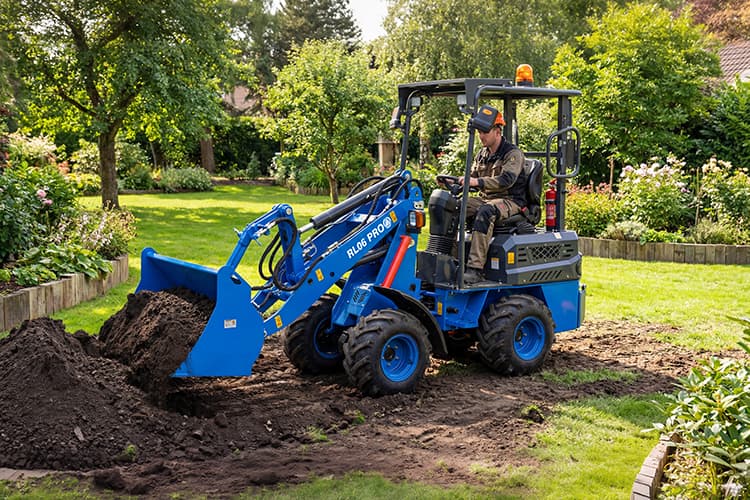
Where Are Mini Front End Loaders Used?
Understanding the main applications helps buyers select equipment that matches actual customer requirements.
1. Construction and Material Handling
Small construction projects frequently require moving soil, sand, gravel, and other materials. A mini front end loader can support material handling operations in residential construction, renovation projects, and smaller commercial sites.
For contractors, machine dimensions, loading capacity, turning flexibility, and bucket compatibility are important considerations.
2. Agriculture and Farm Operations
Agricultural businesses handle different materials throughout the year, including feed, soil, fertilizer, and other farm supplies.
Compact loaders can support routine loading and transportation tasks around farms, livestock facilities, and storage areas.
Buyers serving agricultural customers should consider the types of materials being handled and whether the machine can accommodate the required attachments.
3. Landscaping and Property Maintenance
Landscaping businesses often work in residential properties, gardens, parks, and commercial outdoor spaces.
A compact loader can help move soil, mulch, gravel, and landscaping materials. Its suitability depends on access conditions, surface requirements, and the specific loading tasks involved.
4. Small Business and Equipment Rental Fleets
Businesses that operate equipment fleets may consider compact loaders as part of a broader machinery portfolio.
For dealers, demand may come from landscaping contractors, construction companies, agricultural operators, and property maintenance businesses.
The best product selection depends on local customer demand rather than machine size alone.
Mini Front End Loader vs. Mini Skid Steer Loader
One common purchasing mistake is assuming that all compact loaders are interchangeable.
Although mini front end loaders and mini skid steer loaders can perform similar material handling tasks, their designs and operating characteristics differ.
| Comparison | Mini Front End Loader | Mini Skid Steer Loader |
|---|---|---|
| Machine design | Compact loader with front loading arrangement | Compact machine with skid steering |
| Steering | Depends on machine design, often articulated | Turns through differential movement of the wheels or tracks |
| Typical applications | Material loading and transportation | Loading, grading, excavation support, and attachment work |
| Operating environment | Depends on wheel configuration and dimensions | Available in configurations suited to different surfaces |
| Attachment options | Depends on manufacturer and model | Depends on hydraulic system and attachment interface |
Neither machine is automatically the better choice.
A dealer should understand the differences before recommending equipment to customers. If the primary requirement is material loading and movement, a compact wheel loader may be appropriate. If customers need greater attachment versatility in confined working areas, a mini skid steer may deserve consideration.
What Should Buyers Check Before Importing a Mini Front End Loader?
Importing construction equipment requires careful preparation. A competitive quotation is important, but the actual purchasing decision should include several additional factors.
1. Confirm the Machine Category and Configuration
Start by confirming whether the product is a compact wheel loader, articulated loader, or another type of front loading machine.
Ask the manufacturer for official product photographs, technical documentation, machine dimensions, and configuration details.
This prevents misunderstandings when comparing quotations from different suppliers.
2. Review Loading Requirements
Different customers have different material handling needs.
Before ordering, identify:
The materials the machine will handle.
The required bucket type and capacity.
The typical working environment.
The loading and transportation frequency.
The available operating space.
These details help determine whether the proposed machine is appropriate for the intended application.
3. Check Engine and Hydraulic Configuration
Engine and hydraulic systems are important components of compact loading equipment.
Buyers should request official documentation covering the engine configuration, hydraulic system, operating controls, and available options.
For international distributors, it is also useful to understand whether the selected configuration meets local market requirements and whether replacement parts can be sourced conveniently.
4. Evaluate Attachment Compatibility
Attachments can expand the range of tasks a loader performs.
Depending on the machine design, customers may require different buckets, forks, or other working tools.
Before purchasing, confirm the attachment interface, hydraulic connections, and manufacturer-approved accessories.
Do not assume that attachments designed for one loader will automatically fit another machine.
5. Calculate the Total Import Cost
The purchase price is only one part of the total equipment investment.
International buyers should consider:
Factory quotation.
Packaging and loading costs.
International freight.
Marine insurance where applicable.
Import duties and local taxes.
Customs clearance charges.
Inland transportation.
Applicable compliance and documentation requirements.
Comparing suppliers using the complete landed cost provides a more realistic basis for purchasing decisions.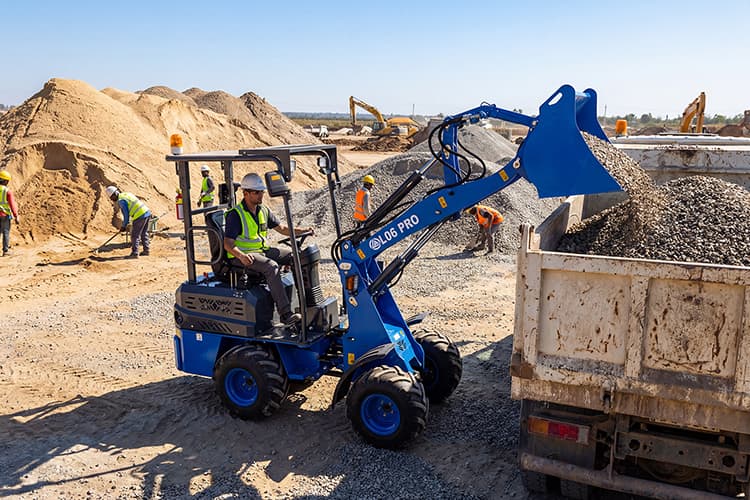
How to Evaluate a Mini Front End Loader Manufacturer
For overseas dealers and wholesale buyers, selecting a reliable manufacturer is as important as selecting the equipment itself.
A professional supplier should be able to provide clear product information, communicate export requirements, and support the purchasing process.
Manufacturing Capabilities
Review the manufacturer's production facilities, equipment assembly processes, quality management procedures, and product portfolio.
A manufacturer with experience in construction machinery may offer a broader understanding of different customer applications.
Product Documentation
Request complete and consistent documentation for the selected machine.
This may include technical specifications, product photographs, operating manuals, parts information, and shipping documents.
All documents should match the actual machine being ordered.
Export Experience
For overseas purchasing, experience with international shipments can help simplify communication and logistics coordination.
Buyers should confirm the exporter's ability to prepare the required commercial and shipping documentation.
Parts and Technical Communication
Before establishing a distribution relationship, ask how spare parts inquiries, technical questions, and replacement component orders are handled.
Clear communication arrangements can help dealers serve their customers more efficiently.
Why Should Equipment Dealers Add Mini Front End Loaders to Their Product Portfolio?
For construction machinery distributors, compact loaders can complement excavators, skid steer loaders, and other equipment.
Instead of relying on a single product category, dealers can build a wider machinery portfolio to address different customer requirements.
For example, a contractor may need an excavator for digging operations and a compact loader for moving excavated materials.
This creates opportunities for cross-selling and long-term customer relationships.
Before adding a new product category, dealers should research local competitors, customer industries, equipment preferences, and import requirements.
A clear understanding of the local market is more valuable than simply selecting the lowest-priced machine.
Frequently Asked Questions
What is a mini front end loader used for?
A mini front end loader is commonly used for moving soil, gravel, sand, agricultural materials, and other bulk materials. Applications include construction, landscaping, farming, and property maintenance.
How is a mini front end loader different from a mini skid steer?
A mini front end loader generally focuses on front loading and material movement, while a mini skid steer uses skid steering and may offer a different range of attachment-based applications. Their designs and operating capabilities vary by model.
What should I consider when buying a mini front end loader from China?
Review the manufacturer's production capabilities, official machine specifications, engine and hydraulic configuration, attachment compatibility, export documentation, shipping arrangements, and parts support.
Is the cheapest mini front end loader the best option?
Not necessarily. Buyers should compare the complete quotation, machine configuration, transportation expenses, documentation, and supplier reliability rather than focusing only on the initial purchase price.
Can overseas dealers purchase mini front end loaders wholesale?
Yes. Dealers and importers can contact manufacturers to discuss available products, order quantities, configurations, export arrangements, and distributor cooperation.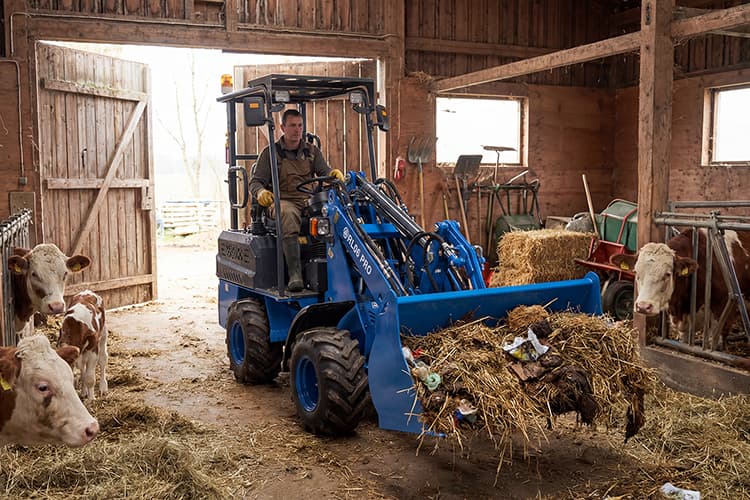
Find a Mini Front End Loader Supplier for Your Business
Finding the right mini front end loader for sale requires a combination of product evaluation and supplier research.
For overseas equipment dealers, the most important considerations include machine configuration, customer applications, attachment compatibility, import expenses, and manufacturer reliability.
RIPPA Group supplies construction machinery to international markets and works with overseas customers seeking equipment for different applications.
Whether you are expanding an existing machinery business or sourcing compact loading equipment for a new market, contact RIPPA to discuss your purchasing requirements and explore available product solutions.