Zero Swing Excavator: How to Choose the Right Machine for Confined Jobsites
What Is a Zero Swing Excavator?
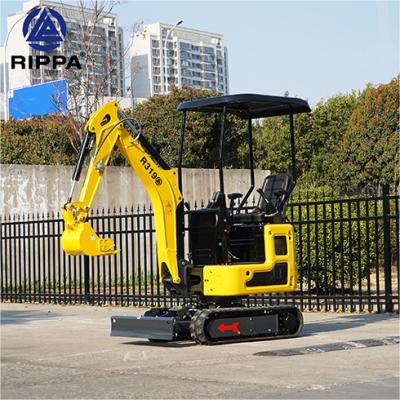
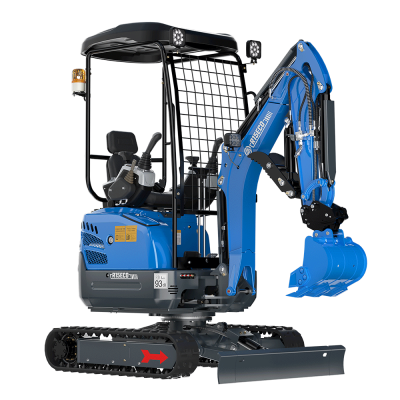
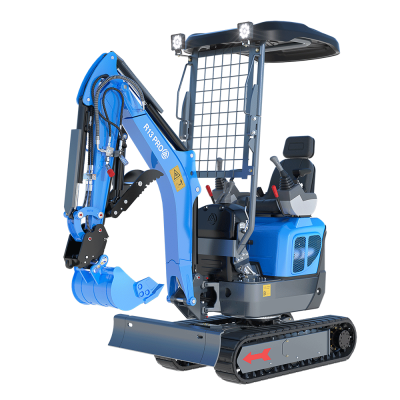
A zero swing excavator, also known as a zero tail swing excavator, is designed so that the rear counterweight stays within the width of the machine's tracks when the upper structure rotates. Unlike conventional excavators, whose rear sections extend beyond the undercarriage during rotation, this design helps reduce the space required around the machine.
For contractors working in residential areas, narrow construction sites, utility projects, and other restricted environments, a zero swing excavator can offer greater operating flexibility.
However, choosing the right excavator involves more than looking at its tail swing design. Buyers should also consider machine dimensions, digging requirements, hydraulic compatibility, transportation, and long-term operating needs.
Why Do Contractors Choose Zero Tail Swing Excavators?
Working in confined spaces creates several challenges. Buildings, fences, utility lines, parked vehicles, and existing structures can restrict how an excavator moves.
A zero tail swing design addresses one important part of this problem: rear clearance during rotation.
1. Better Maneuverability in Restricted Areas
On crowded jobsites, conventional excavators may require additional clearance behind the machine. Their counterweights can extend beyond the track width when the upper structure rotates.
A zero tail swing excavator reduces this rear overhang, allowing operators to work closer to surrounding obstacles. This can be particularly useful for residential construction, landscaping, and urban infrastructure projects.
2. More Flexibility Along Walls and Buildings
Excavation near walls, foundations, and property boundaries often requires careful machine positioning.
With a suitable zero tail swing configuration, operators can rotate the upper structure with less concern about rear-end interference. This makes it easier to organize digging and material placement in restricted working areas.
3. Reduced Need for Repositioning
When working in narrow spaces, frequent repositioning can interrupt the excavation process.
A compact excavator with an appropriate swing configuration may allow operators to complete more movements from a single position. Actual productivity still depends on digging depth, working reach, soil conditions, operator experience, and machine design.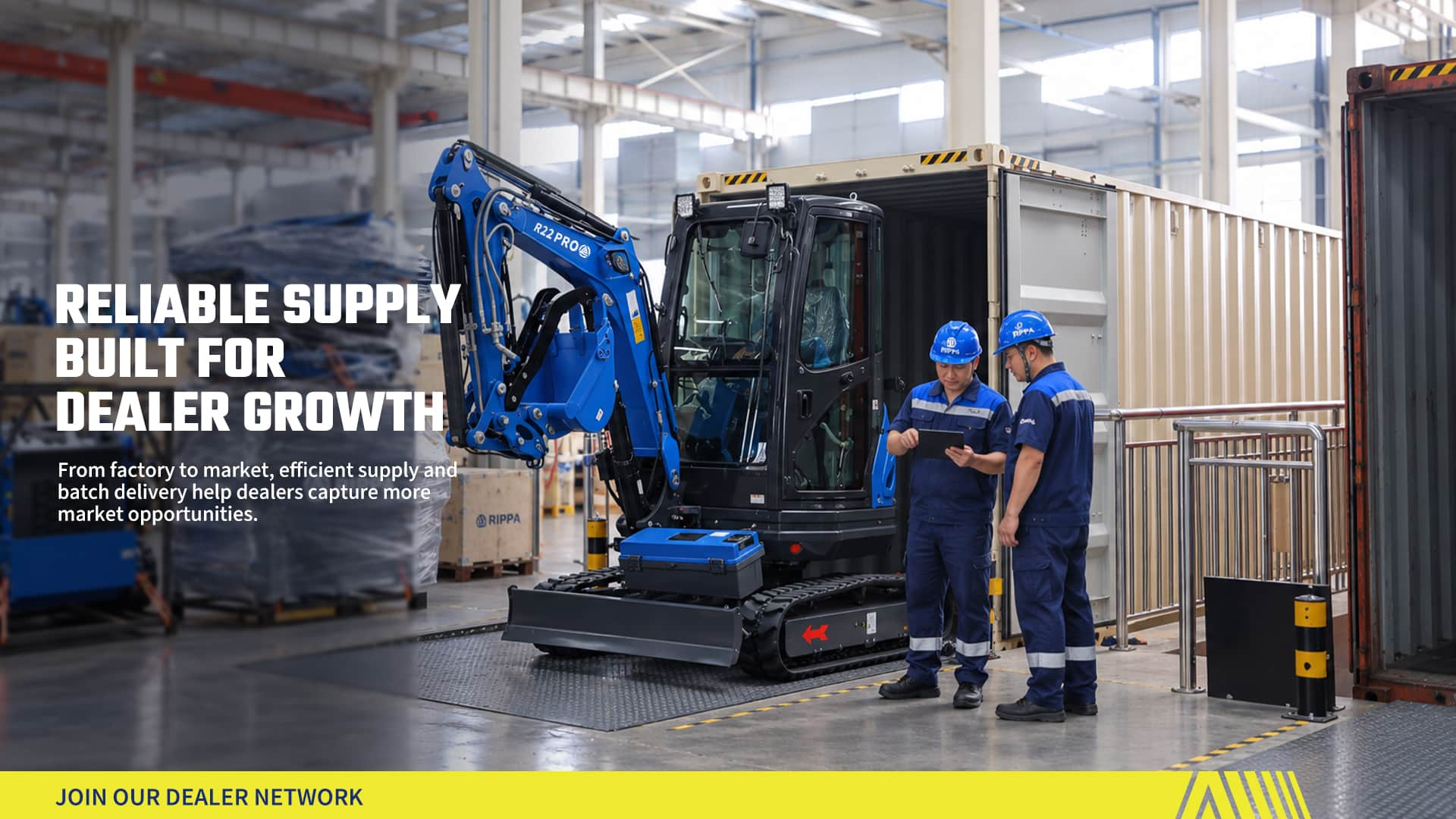
Zero Swing Excavator vs. Conventional Tail Swing
Understanding the difference between these two configurations is important before purchasing construction equipment.
| Comparison | Zero Tail Swing | Conventional Tail Swing |
|---|---|---|
| Rear clearance | Rear stays within track width | Rear extends beyond track width |
| Restricted jobsites | Better suited to limited clearance | Requires more attention to rear clearance |
| Working near walls | More flexibility during rotation | Requires additional clearance |
| Open construction sites | Suitable depending on job requirements | Often a practical choice |
| Machine selection | Focuses on compact working space | Offers different design and performance options |
Neither configuration is automatically better for every application.
A contractor working primarily between buildings may prioritize reduced tail swing. A buyer operating mainly on open construction sites may have different priorities, including machine stability, lifting requirements, and overall digging performance.
The best choice depends on the actual working environment rather than the product description alone.
Where Are Zero Swing Excavators Commonly Used?
Zero swing excavators are particularly relevant to projects where working clearance is limited.
Residential Construction
Residential jobsites often contain houses, fences, driveways, and existing landscaping. A reduced rear swing can help operators work in areas where a conventional excavator would require additional clearance.
Urban Utility Installation
Water pipes, drainage systems, electrical infrastructure, and communication lines frequently require excavation in developed areas. Limited access makes machine dimensions and swing configuration important purchasing considerations.
Landscaping and Property Improvement
Landscaping contractors may need to excavate around gardens, retaining walls, and established structures. A compact machine with an appropriate swing design can provide greater flexibility when organizing different tasks.
Commercial Site Maintenance
Smaller excavation projects around commercial buildings may involve restricted access and existing infrastructure. Buyers should evaluate the machine's overall dimensions and operating requirements before selecting a configuration.
What Should Buyers Check Before Purchasing a Zero Swing Excavator?
For equipment dealers, contractors, and wholesale buyers, choosing a machine should involve a detailed review of its actual specifications and intended applications.
1. Confirm the Actual Tail Swing Design
Do not rely exclusively on general product descriptions. Ask the manufacturer for the tail swing radius, track width, and upper structure dimensions.
Confirm whether the rear of the machine remains within the track width throughout its rotation. This helps distinguish genuine zero tail swing equipment from reduced or minimal tail swing designs.
2. Check Overall Machine Dimensions
A zero swing design does not automatically mean that the entire excavator is suitable for every narrow entrance.
Check overall width, machine height, transport dimensions, and access requirements. If the equipment needs to pass through gates or narrow passages, verify the actual clearance before ordering.
3. Evaluate Digging Requirements
Consider the depth, reach, bucket capacity, and type of material involved in your projects.
A machine that fits the jobsite but cannot meet the required digging demands may not be an economical choice.
4. Review Hydraulic and Attachment Compatibility
Different contractors may need buckets, augers, hydraulic breakers, or other working attachments.
Before purchasing, confirm the available hydraulic circuits, attachment compatibility, and manufacturer-approved configurations. This is especially important for dealers serving customers across different industries.
5. Compare Manufacturer Support
For international buyers, the purchasing decision should not end with the equipment quotation.
Evaluate the manufacturer's export experience, parts supply arrangements, documentation, communication efficiency, and ability to support distributors in overseas markets.
These factors can influence the long-term business value of an equipment purchase.
Why Should Equipment Dealers Consider Zero Swing Excavators?
Adding compact excavation equipment to a product portfolio can help dealers serve customers with different jobsite requirements.
Zero swing excavators address a specific demand: customers who need excavation equipment for restricted working environments.
For distributors and wholesale buyers, several factors deserve attention:
Market demand: Identify whether local contractors frequently work in residential and urban environments.
Product positioning: Explain the practical difference between zero swing and conventional tail swing configurations.
Customer applications: Understand the types of excavation projects that generate demand in your market.
Supplier reliability: Review manufacturing capabilities, product documentation, and export experience.
After-sales planning: Establish a clear process for spare parts inquiries and technical communication.
Working with an experienced excavator manufacturer can also help dealers build a more structured product portfolio and respond to different customer requirements.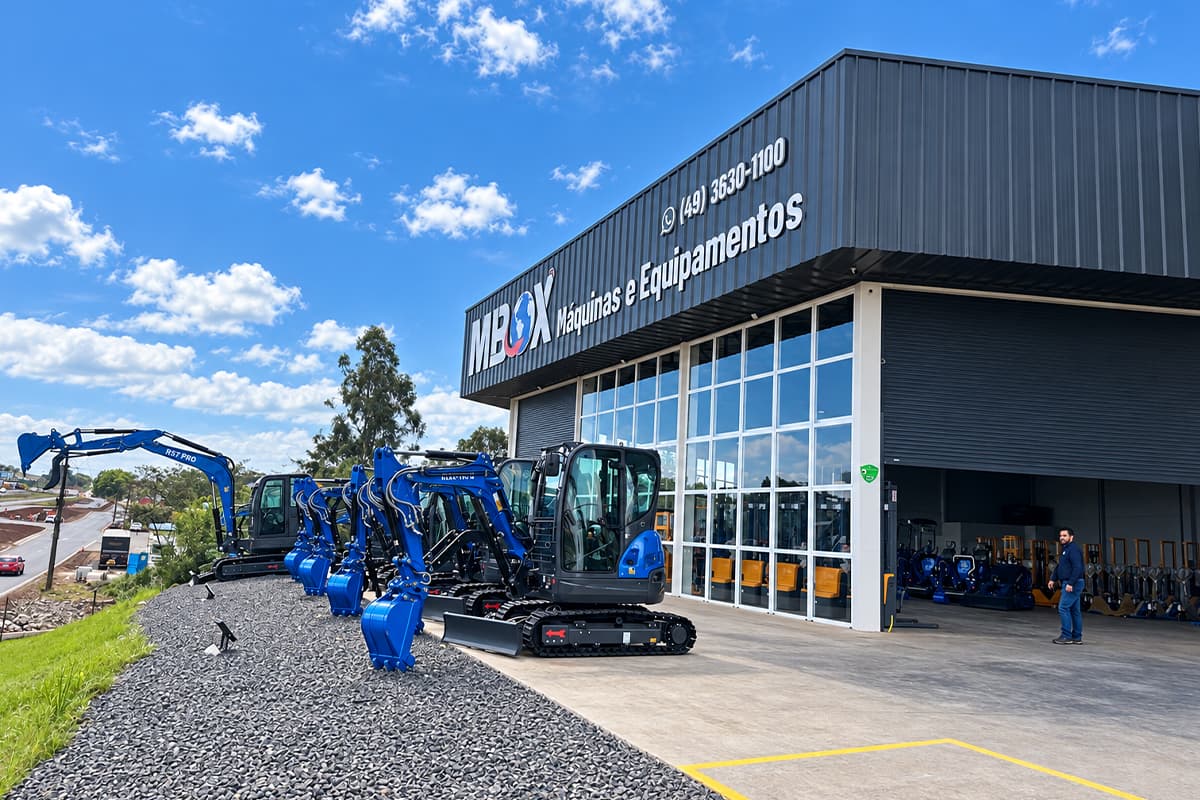
Frequently Asked Questions
Is a zero swing excavator the same as a zero tail swing excavator?
Yes. Both terms generally describe an excavator whose rear counterweight remains within the width of its tracks throughout upper structure rotation.
Is a zero swing excavator better for small construction sites?
It can be a suitable option for restricted jobsites because its rear section requires less clearance during rotation. However, buyers should also evaluate overall machine width, digging reach, and working conditions.
Can a zero tail swing excavator work next to a wall?
Its design provides more flexibility when working near walls and other obstacles. Operators must still maintain appropriate clearance for the boom, attachments, tracks, and surrounding structures.
What should I ask a manufacturer before placing an order?
Request the official machine specifications, tail swing dimensions, overall measurements, available configurations, attachment compatibility, shipping documentation, and parts support information.
How can overseas dealers purchase zero swing excavators in bulk?
Dealers should contact manufacturers directly to discuss available models, wholesale quotations, order quantities, export arrangements, and distributor cooperation conditions.
Find the Right Excavator for Your Market
Choosing a zero swing excavator starts with understanding the jobsites and customers the machine needs to serve. Rear clearance, overall dimensions, digging requirements, and attachment compatibility should all be considered before making a purchasing decision.
RIPPA focuses on the manufacturing and international supply of construction equipment, including excavators and other machinery for overseas markets.
For equipment dealers, importers, and wholesale buyers, selecting the right product range is an important step toward building a competitive equipment business. Contact RIPPA to discuss your market requirements and explore available excavator solutions.