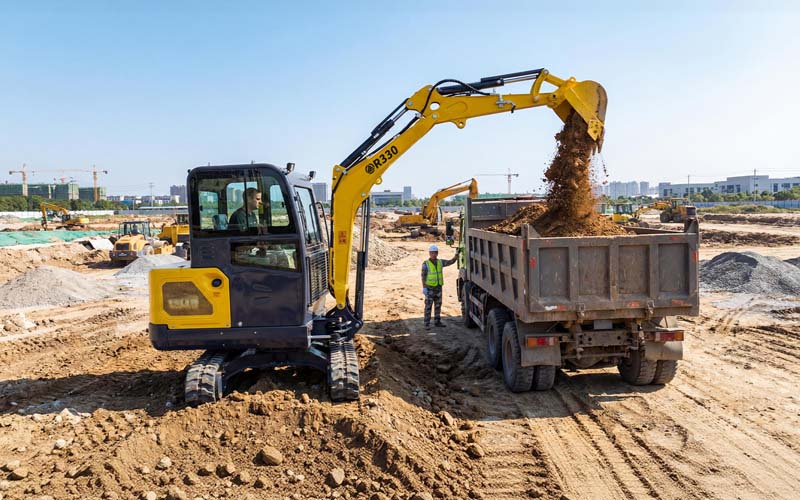
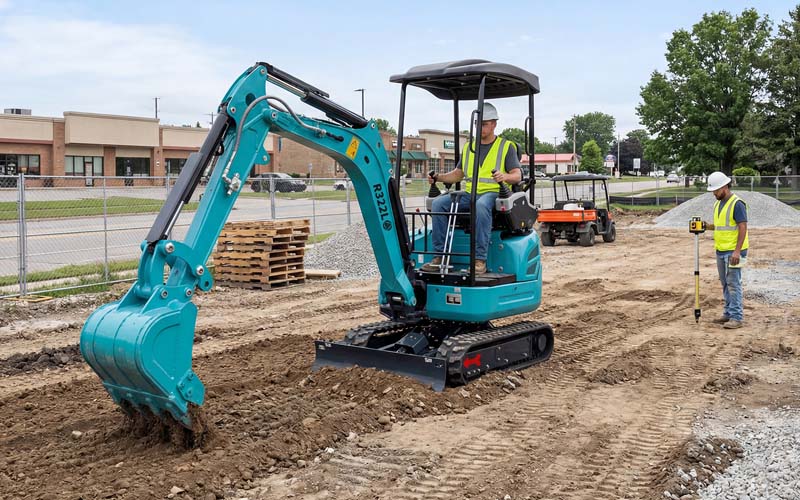
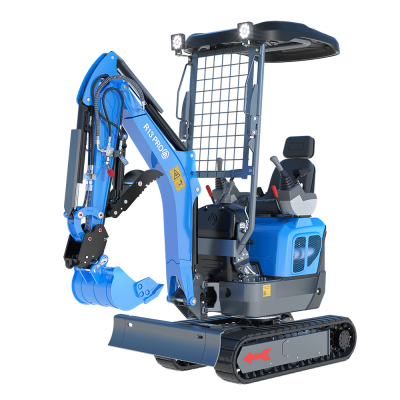
Compact excavators are specifically designed to operate efficiently in confined and restricted work environments. As urban construction projects increase worldwide, contractors need excavation equipment capable of delivering strong digging performance while maneuvering through narrow access points and crowded job sites.
A compact excavator for tight spaces provides the ideal solution for residential construction, landscaping, municipal maintenance, and indoor demolition projects.
Why Compact Excavators Excel in Tight Spaces
Traditional large excavators often struggle in:
Urban construction zones
Residential backyards
Indoor demolition projects
Narrow pathways
Utility installation sites
Compact excavators solve these challenges through:
Smaller dimensions
Zero-tail swing technology
Precise hydraulic controls
Reduced ground pressure
These features improve operational safety and productivity in confined areas.
Best Compact Excavator Sizes for Small Areas
1–2 Ton Mini Excavators
Ideal Applications
Residential landscaping
Garden excavation
Indoor renovation
Small trenching projects
Benefits
Extremely compact footprint
Easy transportation
Minimal property damage
2–3 Ton Compact Excavators
Ideal Applications
Utility installation
Residential construction
Urban infrastructure repair
Benefits
Improved stability
Stronger digging force
Greater attachment versatility
This category is considered the most versatile for tight-space operations.
Key Features for Tight-Space Excavation
Zero Tail Swing Design
Zero-tail swing excavators prevent rear overhang collisions when rotating near walls or structures.
Compact Width
Narrow machine width allows access through gates, alleys, and confined job sites.
Advanced Hydraulic Controls
Precise hydraulics improve control accuracy in delicate excavation environments.
Rubber Tracks
Rubber tracks reduce:
Surface damage
Noise levels
Ground pressure
This makes them ideal for residential and indoor projects.
Common Jobs for Compact Excavators
Residential Construction
Compact excavators are widely used for:
Foundation excavation
Drainage systems
Pool installation
Backyard grading
Landscaping
Landscapers rely on mini excavators for:
Tree removal
Pond construction
Rock placement
Soil preparation
Utility Installation
Utility contractors use compact excavators for:
Cable trenching
Water pipe installation
Sewer maintenance
Indoor Demolition
Small excavators can safely operate inside buildings for demolition and renovation projects.
Compact excavators are often the more economical choice for restricted work environments.
Attachments for Tight-Space Work
Modern compact excavators support multiple attachments including:
Narrow trench buckets
Hydraulic breakers
Augers
Grapples
Tilt buckets
These attachments improve machine versatility across different job types.
Safety Benefits in Confined Areas
Compact excavators improve job site safety because they:
Offer better visibility
Reduce collision risks
Provide stable operation
Minimize property damage
Zero-tail swing models are especially beneficial in crowded construction environments.
Choosing the Best Compact Excavator
When selecting a machine for tight spaces, consider:
Machine width
Operating weight
Digging depth
Hydraulic capability
Transportation requirements
The ideal excavator should balance compact size with sufficient digging power for your projects.
Conclusion
Compact excavators are essential machines for modern urban construction and confined-space operations. Their compact dimensions, efficient hydraulics, and versatile attachment systems make them ideal for residential construction, landscaping, utility work, and demolition.
For contractors working in restricted environments, investing in a high-quality compact excavator can improve efficiency, reduce operating costs, and increase job site flexibility.