Compact Excavators 1–6 Ton – Full Model Comparison
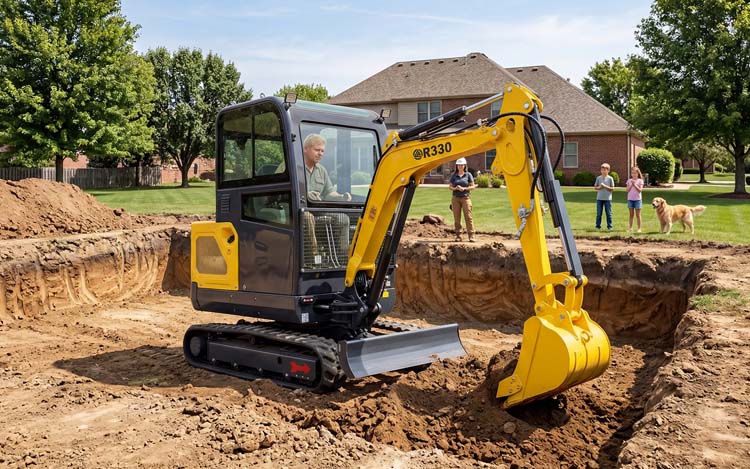
Compact excavators, also known as mini excavators, have become essential equipment for modern construction, landscaping, agriculture, and municipal projects. Machines in the 1–6 ton category offer the perfect balance between power, maneuverability, and fuel efficiency. Whether you are a contractor working in tight urban spaces or a property owner managing small-scale excavation projects, choosing the right mini excavator can significantly improve productivity.
In this guide, we compare compact excavators from 1 ton to 6 tons, covering performance, applications, advantages, and buying considerations to help you make an informed decision.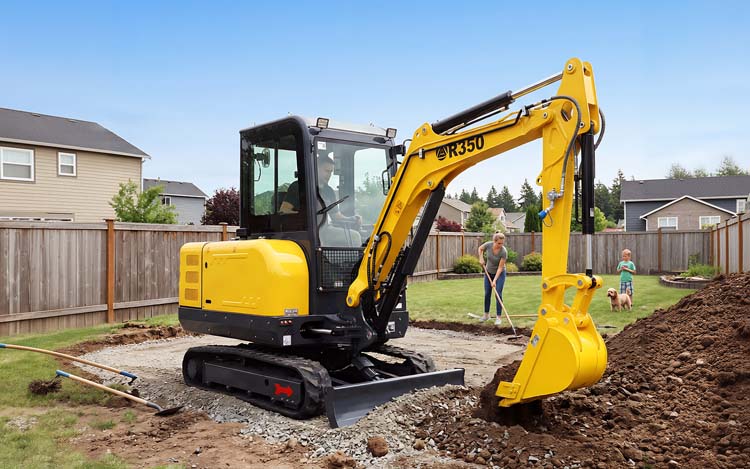
Why Compact Excavators Are Popular
Mini excavators are widely used because they provide powerful digging performance while remaining compact enough for restricted job sites. Compared with larger excavators, they offer:
Lower operating costs
Easier transportation
Reduced fuel consumption
Minimal ground damage
Excellent flexibility in narrow spaces
These advantages make compact excavators highly suitable for residential construction, trenching, landscaping, road maintenance, and utility installation.
Compact Excavator Weight Classes Explained
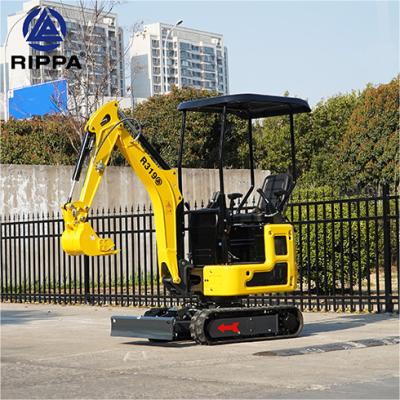
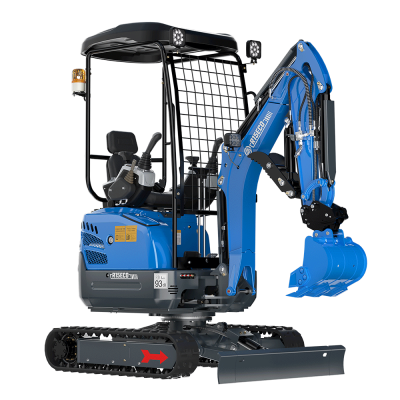
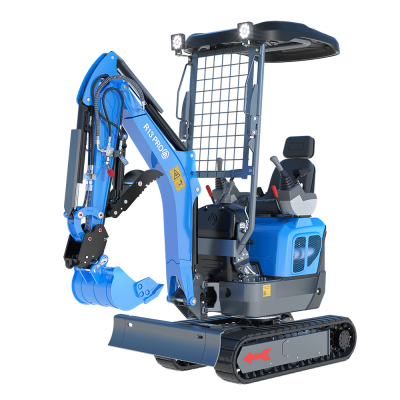
1–2 Ton Mini Excavators
Smallest and lightest models designed for precision work.
Best Applications
Garden landscaping
Indoor demolition
Small trench digging
Farm maintenance
Residential projects
Advantages
Extremely compact design
Easy trailer transport
Low fuel consumption
Ideal for narrow access areas
Limitations
Lower digging depth
Limited lifting capacity
2–3.5 Ton Mini Excavators
One of the most versatile classes for contractors.
Best Applications
Small construction sites
Utility trenching
Foundation preparation
Driveway and sidewalk projects
Advantages
Stronger hydraulic systems
Better stability
Improved digging force
Still compact enough for urban jobs
This category is often considered the best balance between affordability and performance.
4–6 Ton Compact Excavators
Larger mini excavators designed for heavy-duty work.
Best Applications
Commercial construction
Deep excavation
Roadwork
Forestry operations
Large-scale landscaping
Advantages
Greater digging depth
Higher lifting capacity
More attachment compatibility
Enhanced operator comfort
Considerations
Higher transportation costs
Requires more operating space
Key Features to Compare
When selecting a compact excavator, several specifications directly affect performance and productivity.
Engine Power
Higher horsepower improves digging performance and hydraulic efficiency. For demanding construction projects, models above 25 HP are preferred.
Operating Weight
Operating weight influences stability and digging force. Heavier machines perform better on tough terrain but may reduce mobility.
Digging Depth
Choose a machine with sufficient digging depth based on project requirements. Residential landscaping may only require 2 meters, while utility projects often demand deeper excavation.
Hydraulic Performance
Advanced hydraulic systems improve attachment efficiency and operational smoothness.
Attachment Compatibility
Modern mini excavators support:
Hydraulic breakers
Augers
Grapples
Rippers
Buckets of different sizes
Versatile attachment systems increase equipment utilization and return on investment.
Popular Compact Excavator Models Comparison
| Model Class | Operating Weight | Digging Depth | Best Use |
|---|---|---|---|
| 1 Ton | 1,000 kg | 1.7 m | Landscaping |
| 2 Ton | 2,000 kg | 2.3 m | Residential construction |
| 3.5 Ton | 3,500 kg | 3.5 m | Utility work |
| 5 Ton | 5,000 kg | 4.0 m | Commercial projects |
| 6 Ton | 6,000 kg | 4.2 m | Heavy-duty excavation |
How to Choose the Right Mini Excavator
Consider Your Job Site
Small urban projects require compact dimensions and zero-tail swing designs. Larger open construction sites may benefit from heavier excavators with higher digging force.
Evaluate Transportation Requirements
Smaller excavators are easier to tow with standard trailers, reducing logistics costs.
Think About Future Projects
Buying a slightly larger machine may provide flexibility for future business expansion.
Compare Total Ownership Costs
Consider:
Fuel consumption
Maintenance expenses
Spare parts availability
Resale value
Warranty coverage
Expert Recommendation
For most contractors and small construction businesses, a 2–3.5 ton mini excavator provides the best combination of:
Affordability
Versatility
Fuel efficiency
Operational capability
Meanwhile, 5–6 ton models are more suitable for companies handling commercial or infrastructure projects.
Conclusion
Compact excavators from 1–6 tons have transformed the construction industry by delivering efficient performance in confined spaces. Understanding differences in operating weight, hydraulic capability, digging depth, and attachment compatibility is essential before investing in equipment.
By carefully comparing models and matching machine size to project requirements, contractors can maximize productivity while controlling operating costs.
If you are planning to purchase a compact excavator, always prioritize reliability, after-sales support, and long-term operating efficiency over price alone.