The Excavator: Everything You Need To Know
Introduction to Excavators
Excavators are one of the most essential pieces of heavy equipment in modern construction and earthmoving industries. From small residential projects to large-scale infrastructure development, excavators play a critical role in improving efficiency, reducing manual labor, and ensuring precision.
With the advancement of hydraulic systems and engine technology, modern excavators are more powerful, fuel-efficient, and environmentally friendly than ever before.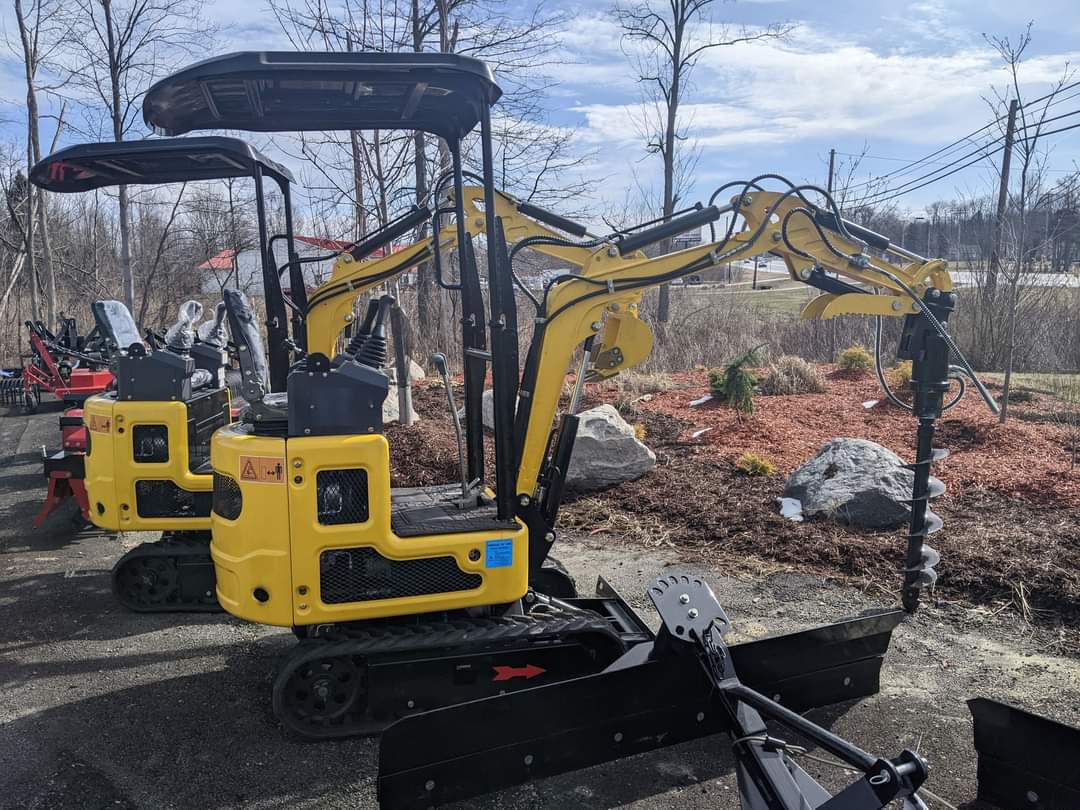
What Is an Excavator?
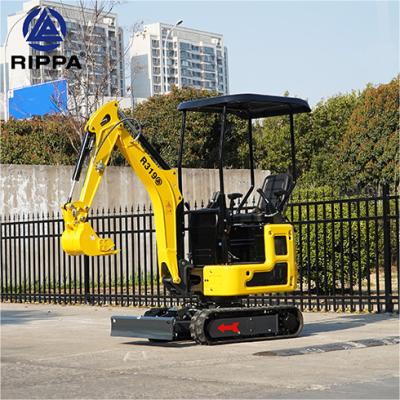
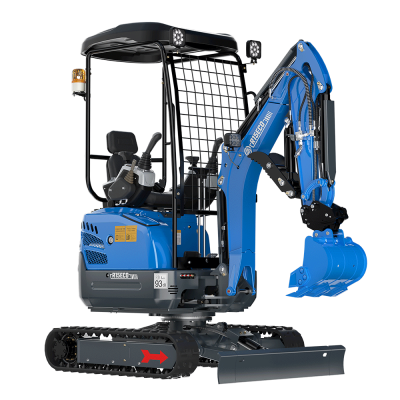
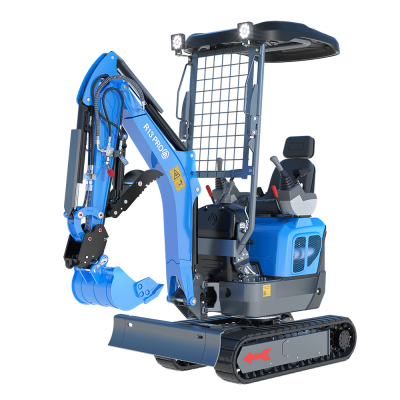
An excavator is a heavy-duty machine designed primarily for digging and excavation tasks. It consists of several key components, including:
Boom
Arm (stick)
Bucket
Rotating cab (house)
Undercarriage (tracks or wheels)
The 360-degree rotating cab allows operators to work efficiently without repositioning the machine frequently, significantly improving productivity on job sites.
Types of Excavators
Different projects require different types of excavators. The most common types include:
Mini Excavators
Mini excavators (typically 1–6 tons) are compact machines designed for small to medium-sized jobs. They are ideal for urban construction, landscaping, and indoor work due to their small footprint and ease of transport.
Crawler Excavators
These excavators operate on tracks and provide excellent stability on rough or uneven terrain. They are widely used in mining and large construction projects.
Wheeled Excavators
Unlike crawler models, wheeled excavators offer better mobility and are suitable for roadwork and urban environments.
Long Reach Excavators
Designed for deep digging and demolition, these machines feature extended arms for specialized tasks.
Key Components and How They Work
Understanding excavator components is essential for maximizing efficiency and safety:
Engine: Provides power, often using reliable brands like Kubota
Hydraulic System: Controls movement and attachments
Cab: Designed for operator comfort and visibility
Undercarriage: Ensures stability and mobility
Hydraulic systems are the core of excavator performance, enabling smooth and precise operation.
Common Applications of Excavators
Excavators are widely used across industries:
Construction: digging foundations, trenching
Mining: material extraction
Landscaping: grading and shaping land
Demolition: breaking structures
Agriculture: irrigation and land clearing
Their versatility makes them indispensable across both small and large projects.
Advantages of Modern Excavators
Modern excavators offer several benefits:
High fuel efficiency
Reduced emissions
Advanced control systems
Multi-attachment compatibility
Lower operating costs
These features make them a smart long-term investment for contractors and businesses.
How to Choose the Right Excavator
When selecting an excavator, consider the following factors:
Project scale and requirements
Working environment (urban vs rugged terrain)
Machine size and weight
Attachment compatibility
After-sales support and parts availability
Choosing the right equipment directly impacts productivity and profitability.
Maintenance and Safety Tips
Proper maintenance ensures long machine life and safe operation:
Regularly inspect hydraulic systems
Check engine oil and filters
Keep tracks or tires in good condition
Train operators properly
Safety should always be a top priority when operating heavy equipment.
Conclusion
Excavators are the backbone of the construction and earthmoving industries. Whether for small landscaping jobs or large infrastructure projects, choosing the right excavator can significantly improve efficiency, reduce costs, and ensure long-term success.