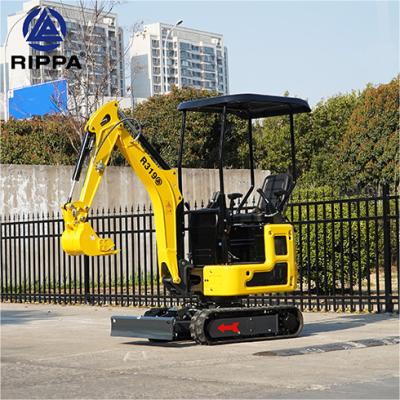
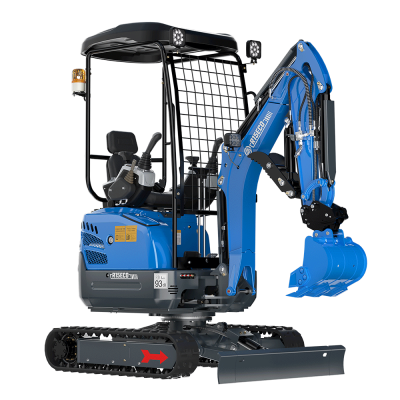
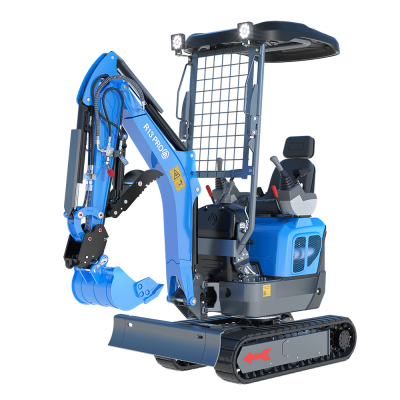
How to Become a Mini Excavator Dealer and Build a Local Equipment Business
Becoming a mini excavator dealer can be a practical way for construction equipment companies, agricultural machinery businesses, rental companies, and equipment resellers to expand their product portfolio.
The process starts with choosing the right manufacturer and understanding the local market. A successful dealer relationship is usually built around more than product availability. Sales capability, customer service, parts support, logistics, and market development are also important.
Who Can Become a Mini Excavator Dealer?
There is no single business model for a mini excavator dealer.
Potential dealer partners can include:
Construction equipment companies
Agricultural machinery dealers
Landscaping equipment suppliers
Equipment rental businesses
Machinery importers
Regional distributors
Established equipment resellers
A company with an existing customer base may be able to introduce mini excavators as an additional product category.
Step 1: Understand Your Local Market
Before contacting a manufacturer, research demand in your target market.
Consider the types of customers you already serve. Contractors may need compact excavators for construction and utility work. Landscaping companies may need smaller machines for work in restricted spaces. Farms and property owners may have different requirements.
Understanding these applications can help you determine which products are suitable for your market.
Step 2: Choose the Right Manufacturer
The manufacturer is an important part of the dealer business model.
Look at the manufacturer's:
Product range
Factory background
Export experience
Quality systems
Parts supply
Technical support
Production capacity
Dealer cooperation model
Do not evaluate a supplier only by the initial quotation. A dealer needs a supplier capable of supporting the business after the first order.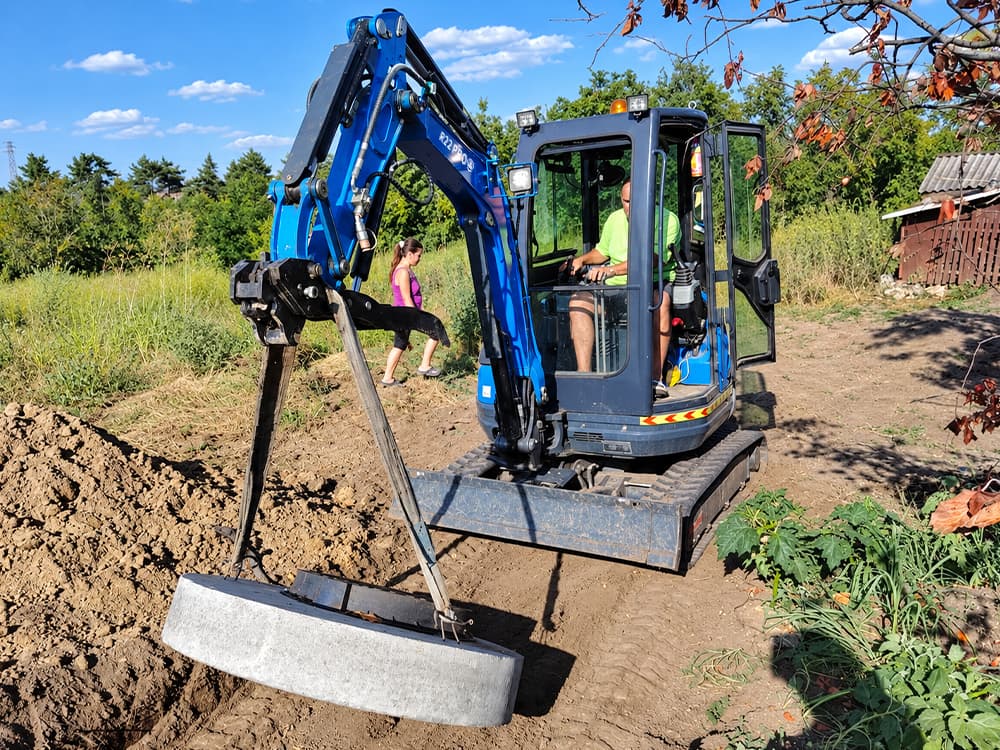
Step 3: Discuss Dealer Pricing and Orders
Dealer pricing depends on factors such as product selection, order volume, destination, shipping arrangements, and cooperation terms.
A potential dealer should provide the manufacturer with information about the target country or region, expected demand, current business, and planned purchasing volume.
This allows both sides to discuss a suitable cooperation model.
Step 4: Prepare Sales and Service Capabilities
A dealer needs a way to reach customers and support them after the sale.
Depending on the business model, this may include:
A physical equipment yard
Sales staff
Product demonstrations
Website and digital marketing
Spare parts storage
Basic service capability
Local customer support
Not every dealer needs the same infrastructure, but the manufacturer should understand how the dealer plans to develop the market.
Step 5: Build the Local Brand
Once cooperation begins, the dealer can use its existing customer relationships and marketing channels to introduce the excavator range.
A clear website, product pages, customer inquiries, demonstrations, social media content, and local advertising can all contribute to product visibility.
Search results for dealer-related terms show that manufacturers are increasingly using dealer locator pages and dealer recruitment pages to connect local businesses with equipment supply opportunities.
Why Work Directly With RIPPA?
RIPPA Group is a Chinese construction machinery manufacturer with an international dealer and distribution focus.
The company provides excavators and other construction machinery for international markets and works with equipment businesses interested in developing local sales channels.
Potential dealers can discuss their market, product requirements, sales plans, and cooperation expectations directly with RIPPA.
Dealer or Distributor?
The terms dealer and distributor are sometimes used interchangeably, but the business relationship can be different.
A dealer may focus on selling equipment directly to customers in a specific local market. A distributor may manage broader regional sales and supply activities, potentially working with additional resellers.
The exact structure should be defined during cooperation discussions with the manufacturer.
Frequently Asked Questions
Is a mini excavator dealer required to buy large quantities?
Order requirements depend on the manufacturer's dealer program and the specific cooperation model. Buyers should confirm current requirements directly with the supplier.
Can an existing equipment company become a dealer?
Yes. Businesses already selling construction or agricultural equipment can explore adding mini excavators to their product portfolio.
Can dealers sell mini excavators in their own local market?
Dealer rights and territory arrangements depend on the agreement between the manufacturer and dealer. These terms should be confirmed before cooperation begins.
Final Thoughts
Becoming a mini excavator dealer requires more than purchasing machines. The strongest foundation is a combination of local market knowledge, sales channels, customer support, and a reliable manufacturing partner.
For companies interested in entering or expanding the compact equipment market, the next step is to discuss product selection, dealer pricing, logistics, parts support, and market development with a manufacturer.
Interested in becoming a RIPPA mini excavator dealer? Contact the RIPPA team to discuss your market and dealer cooperation plan.