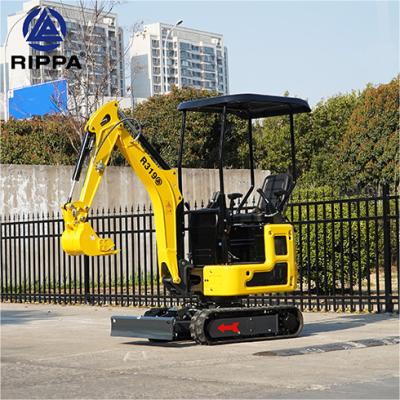
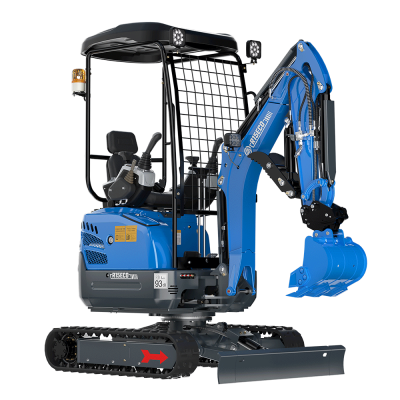
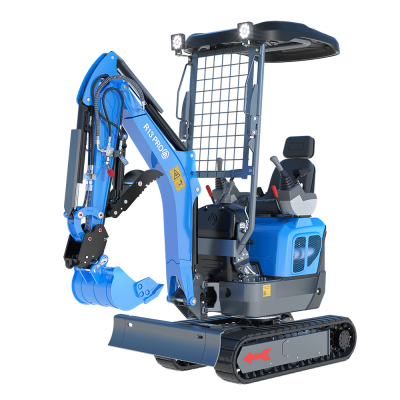
How to Become a Mini Excavator Dealer and Build a Local Equipment Business
For construction equipment companies, machinery distributors, agricultural equipment businesses and rental companies, becoming a mini excavator dealer can be a way to expand an existing product portfolio.
However, starting a dealership is more than purchasing several machines and placing them in a yard.
A sustainable dealership needs a combination of local demand, suitable products, inventory planning, customer acquisition, parts support and manufacturer cooperation.
What Does a Mini Excavator Dealer Do?
A mini excavator dealer connects a manufacturer with customers in a local or regional market.
The dealer may be responsible for:
Equipment sales
Local marketing
Customer consultations
Product demonstrations
Equipment delivery
Parts sales
Service coordination
Technical support
Warranty communication
Customer relationship management
The exact responsibilities depend on the manufacturer and dealer agreement.
For this reason, potential dealers should understand the complete business model before placing an initial order.
Who Can Become a Mini Excavator Dealer?
A dealership does not necessarily need to start as a large construction equipment company.
Potential dealer partners can include:
Construction Equipment Dealers
Existing equipment dealers already understand customer acquisition, machinery sales and local service.
Agricultural Equipment Businesses
Farm equipment businesses may find opportunities to add compact excavators for drainage, landscaping, land maintenance and general property work.
Rental Companies
Rental businesses can use compact excavators as part of a broader equipment fleet.
Machinery Distributors
Distributors with existing customer networks may add mini excavators to their current product categories.
Equipment Entrepreneurs
Businesses with local sales capability and a strong understanding of the construction equipment market can also explore dealership opportunities.
RIPPA's dealer materials identify equipment distributors, importers, rental companies, agricultural equipment sellers and regional equipment partners as potential participants in its dealer network.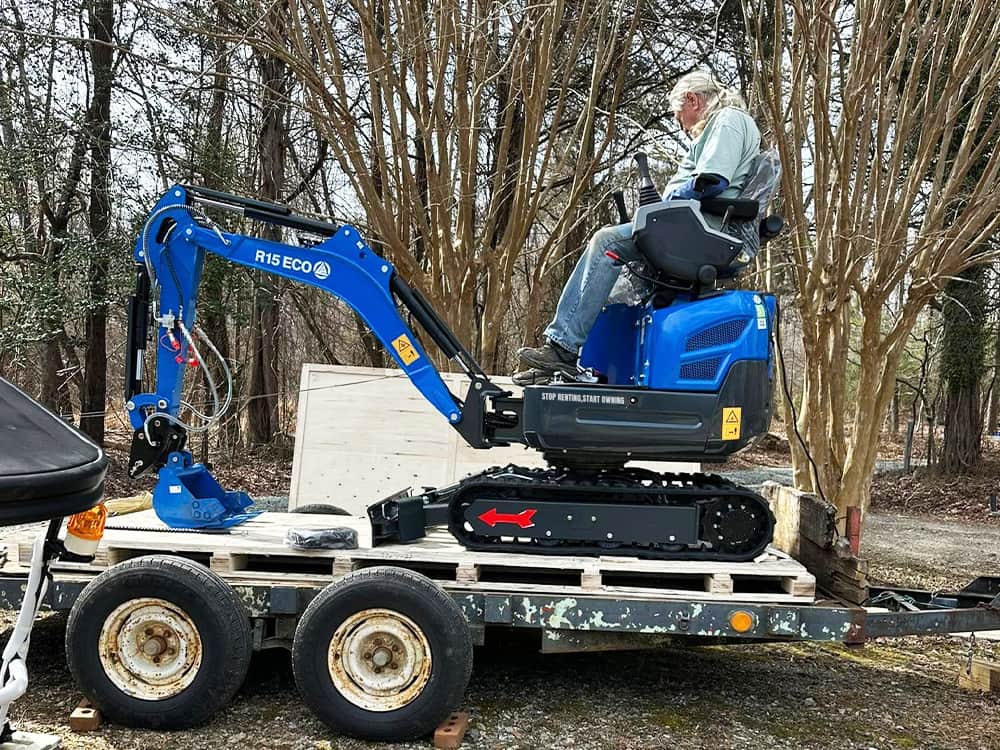
Step 1: Research the Local Mini Excavator Market
Before contacting a manufacturer, study your market.
Ask:
Who buys mini excavators?
Which brands are already established?
What machine sizes are popular?
Are customers mainly contractors, landscapers or farmers?
Is there a rental market?
What local service options already exist?
Which competitors offer compact equipment?
Search behavior can also provide useful information.
Keywords such as:
mini excavator dealer
mini excavator dealers near me
mini excavator for sale
compact excavator dealer
Chinese mini excavator
mini excavator rental
can help identify local demand and competitors.
Step 2: Choose the Right Manufacturer
The manufacturer is one of the most important parts of the dealership model.
A dealer should investigate:
Manufacturing Capability
Does the company actually manufacture the equipment?
Review its factory, production facilities and quality-control process.
Product Range
Can the manufacturer provide multiple excavator classes as your business grows?
Export Experience
Does the manufacturer already supply international markets?
Parts Supply
How will replacement parts reach your market?
Technical Support
What support is available for your technicians and customers?
Dealer Policy
Does the manufacturer have a defined approach to territories, pricing, marketing and channel cooperation?
These factors can have a greater long-term impact than the initial machine quotation.
Step 3: Plan Your Initial Inventory
One of the biggest challenges for a new dealer is inventory planning.
The objective is not to stock every available model.
Instead, identify the machines most closely aligned with local demand.
For example:
Landscaping customers may prioritize compact dimensions and attachment versatility.
Farm customers may need machines for drainage, property maintenance and general excavation.
Contractors may require higher productivity and broader application capability.
Rental companies may prioritize simple operation, parts availability and equipment utilization.
The initial product range should reflect the actual market rather than assumptions.
RIPPA's current dealer materials describe flexible stocking arrangements, allowing potential dealers to develop inventory according to market needs rather than relying on one universal stocking model.
Step 4: Build Parts and Service Capability
A mini excavator dealer needs to think beyond sales.
Customers will eventually need maintenance and replacement parts.
Before launching the dealership, prepare:
Parts identification procedures
Common maintenance parts
Technical documentation
Service contacts
Maintenance schedules
Warranty communication procedures
Manufacturer escalation channels
A manufacturer with overseas warehouse resources and established parts processes can make this stage easier. RIPPA states that its dealer program includes overseas warehouse resources and technical support for international dealers.
Step 5: Develop a Local Marketing Strategy
A dealer needs a system for generating inquiries.
Traditional channels may include:
Local equipment shows
Construction industry events
Demonstration days
Referrals
Local advertising
Equipment rental relationships
Direct sales
Digital channels are increasingly important.
A local dealer can build landing pages targeting searches such as:
mini excavator dealer near me
mini excavator for sale
compact excavator dealer
mini excavator dealer in [city]
Chinese mini excavator dealer
The objective is to connect local search demand with real inventory and local service.
Step 6: Create a Demonstration Process
Compact construction equipment is often easier to sell when potential customers can see it operating.
A dealer can organize demonstrations for:
Contractors
Landscapers
Farmers
Rental companies
Utility businesses
Property maintenance companies
Demonstrations also help sales staff understand the machine and answer practical customer questions.
Step 7: Build a Relationship With the Manufacturer
A dealership should not be treated as a one-time purchasing relationship.
Regular communication with the manufacturer can help the dealer understand:
New products
Product updates
Parts
Technical issues
Marketing materials
Customer feedback
Market opportunities
A manufacturer can also learn from dealers because local dealers see customer requirements directly.
This creates a feedback loop:
Customer → Dealer → Manufacturer → Product and service development
What Should You Ask a Manufacturer Before Becoming a Dealer?
Before signing a dealer agreement, prepare a list of questions.
Commercial Questions
What are the dealer purchasing terms?
How are prices structured?
What are the payment requirements?
What inventory level is recommended?
How are repeat orders handled?
Territory Questions
Is the territory defined?
How are overlapping inquiries handled?
Can additional dealers be appointed in the same market?
Product Questions
Which models are available?
Which configurations are suitable for the market?
What attachments are available?
What documentation is supplied?
Service Questions
What technical training is available?
How are parts ordered?
Where are spare parts stored?
How are technical issues escalated?
Marketing Questions
Are product images and videos provided?
Does the manufacturer support digital advertising?
Are leads assigned to local dealers?
Is co-marketing available?
A structured discussion before cooperation can prevent misunderstandings later.
How RIPPA Supports Mini Excavator Dealers
RIPPA's published international dealer program is designed around cooperation with equipment businesses and regional partners.
The company describes dealer support including:
Dealer territory arrangements
Flexible inventory planning
Factory-direct equipment supply
Sales and technical training
Marketing support
Overseas parts resources
Product support
RIPPA also describes itself as a vertically integrated manufacturer with dedicated production lines for mini excavators and an international dealer network.
For companies considering a mini excavator dealer opportunity, the next step is to provide information about the target market, existing equipment business, customer base and expected sales plan.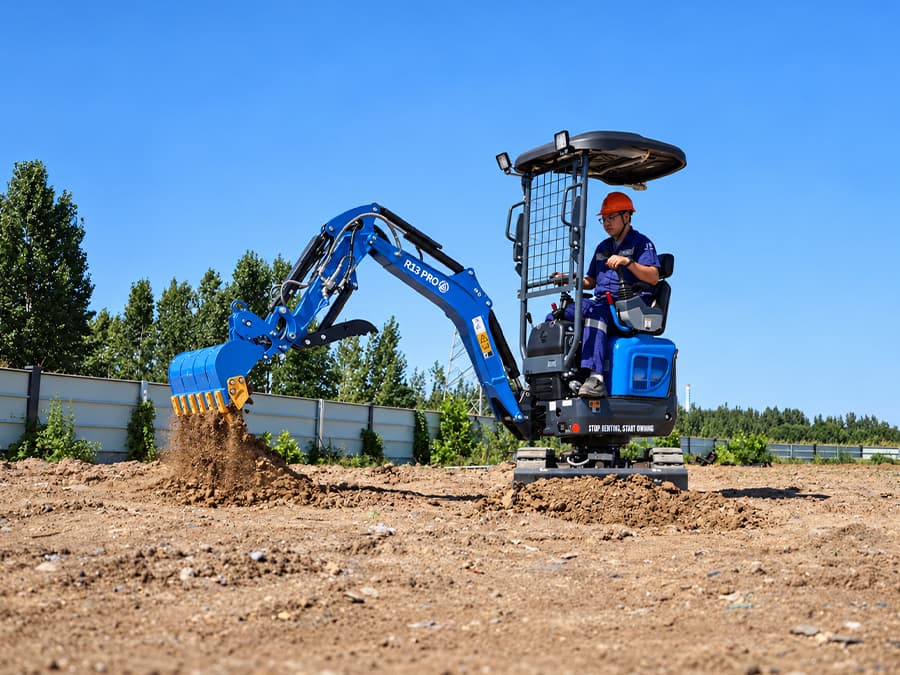
Frequently Asked Questions
How do I become a mini excavator dealer?
Start by researching your local market, identifying suitable manufacturers and preparing a company profile. Then contact the manufacturer to discuss territory, products, inventory, marketing and service requirements.
How much does it cost to become a mini excavator dealer?
There is no universal investment level. Costs depend on inventory, transportation, storage, parts, marketing, staff and local operating expenses.
Do I need an existing equipment business?
Not necessarily. However, existing customers, sales experience, storage and service capabilities can help a new dealer develop the market.
Can I become a Chinese mini excavator dealer?
Yes. Many Chinese manufacturers develop international dealer and distributor networks.
How many mini excavators should a new dealer stock?
The appropriate inventory depends on local demand, available capital, customer segments and the manufacturer's dealer policy. New dealers should avoid ordering more machines than the market can reasonably absorb.
What support should a manufacturer provide?
Potential dealers should evaluate product training, technical assistance, parts supply, marketing resources, documentation, territory policies and communication processes.
Start Building a Mini Excavator Dealership
Becoming a mini excavator dealer is not simply about purchasing construction equipment at wholesale prices.
A successful dealership combines:
Market demand + suitable products + inventory planning + local sales + parts + service + manufacturer support
Before choosing a supplier, investigate the manufacturer's factory, product portfolio, international experience and dealer program.
For equipment companies ready to expand into compact excavators, a structured relationship with a manufacturer can provide a foundation for developing a local customer base and expanding into additional construction equipment categories over time.