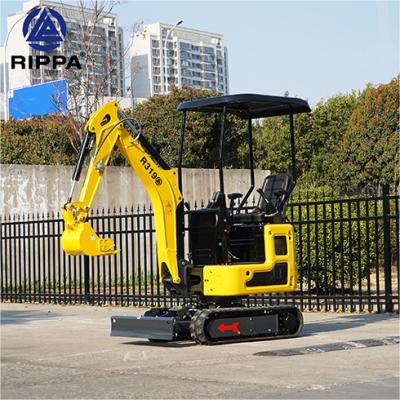
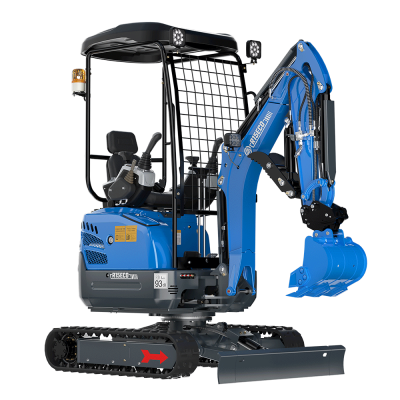
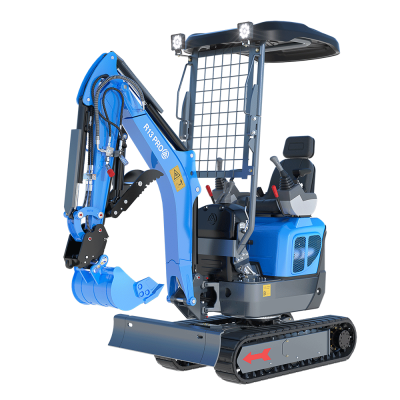
Wholesale Mini Excavators: A Practical Buying Guide for Equipment Dealers and Distributors
Buying wholesale mini excavators is an important decision for construction equipment dealers, machinery importers, and regional distributors. The right purchasing strategy can help businesses expand their product range, serve different customer groups, and establish a more competitive position in the local market.
However, wholesale purchasing involves more than finding a supplier with an attractive quotation. Buyers also need to evaluate product selection, manufacturing capabilities, order requirements, shipping arrangements, and long-term supplier support.
Whether you are planning your first bulk order or looking to develop an existing machinery distribution business, understanding these factors can help you make better purchasing decisions.
1. Why Do Equipment Dealers Buy Mini Excavators Wholesale?
Mini excavators are used in a wide range of applications, including landscaping, agricultural projects, residential construction, property maintenance, and small-scale excavation.
For equipment dealers, wholesale purchasing offers several business opportunities.
Expand Your Machinery Product Range
Dealers who already sell construction machinery may add mini excavators to reach customers working on smaller projects or in restricted spaces.
A broader product range allows businesses to serve different applications without depending on a single machinery category.
For example, a dealer may offer compact excavators alongside loaders, skid steer loaders, and other construction equipment.
Build a More Consistent Supply Relationship
Working with a wholesale supplier can help distributors establish a purchasing process for repeat orders.
Instead of sourcing equipment from different suppliers each time, dealers can evaluate a supplier's product range, communication process, and order arrangements to determine whether the relationship suits their business.
Support Regional Distribution Growth
For businesses planning to develop a regional dealer network, wholesale sourcing can provide a foundation for expanding their equipment offering.
Before increasing order quantities, however, distributors should understand local demand and select products that match the needs of their customers.
2. How to Choose a Wholesale Mini Excavator Supplier
Supplier selection is one of the most important parts of wholesale purchasing. A low quotation does not necessarily mean a better purchasing decision.
Dealers should evaluate suppliers using several consistent criteria.
Check Whether the Supplier Is a Manufacturer or Trading Company
Start by identifying the actual source of the equipment.
A manufacturer may provide direct information about production operations, product configurations, and factory processes. A trading company may offer access to products from several manufacturers.
Both business models can serve international buyers, but the responsibilities should be clearly defined.
Ask the supplier:
Who manufactures the equipment?
Can the company provide factory and product information?
Who is responsible for product inspection?
Who handles parts and technical communication?
Which company is named in the purchasing agreement?
These questions help buyers understand the supply chain before confirming an order.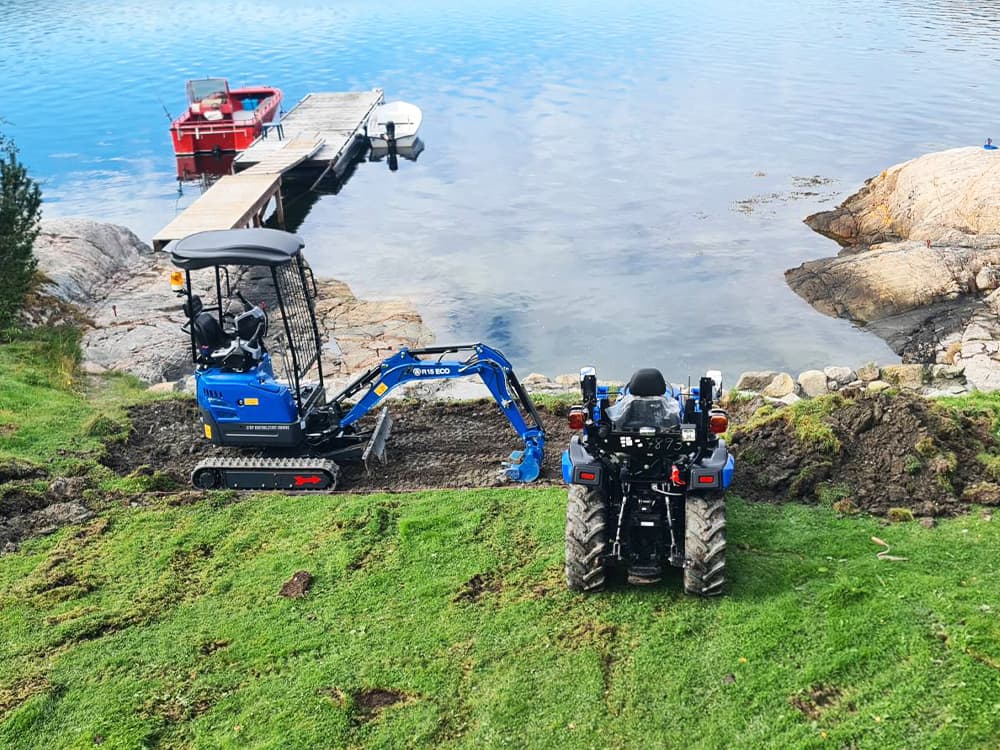
Evaluate the Product Range
A wholesale mini excavator supplier should be able to explain its available product categories and configurations.
Dealers should consider whether the supplier offers products suitable for their target applications and customer groups.
A suitable product portfolio can help a distributor serve landscaping contractors, agricultural businesses, construction companies, and property maintenance operators.
Review Communication and Business Transparency
International wholesale orders involve multiple stages, from quotation and product confirmation to production, shipment, and delivery.
A reliable supplier should communicate these procedures clearly.
Pay attention to whether the sales team provides consistent product information, responds to questions, and explains the responsibilities of both parties.
3. What Should You Consider Before Placing a Bulk Mini Excavator Order?
Bulk purchasing requires more preparation than ordering a single machine. Dealers should evaluate local demand, product selection, order quantities, and the financial commitment involved.
Understand Your Local Market Demand
Before selecting products, identify the types of customers you want to serve.
Consider:
Landscaping and gardening contractors
Agricultural businesses
Residential construction companies
Utility and property maintenance contractors
Small construction equipment dealers
Different customers may have different expectations regarding machine size, configuration, application, and purchasing budget.
Understanding these requirements helps dealers avoid ordering products that do not match local demand.
Select a Suitable Product Combination
A wholesale order does not always need to consist of one product category.
Depending on the supplier's available range and the distributor's sales strategy, a product combination may include different excavator categories or complementary construction machinery.
For example, dealers serving landscaping and construction customers may evaluate compact excavators together with skid steer loaders or wheel loaders.
The final product mix should be based on verified customer demand rather than assumptions about which machines will sell fastest.
Confirm Minimum Order Requirements
Different suppliers may have different minimum order quantities and purchasing conditions.
Before requesting a formal quotation, clarify:
Minimum order quantity
Whether mixed models are accepted
Whether different configurations can be included
Payment arrangements
Production scheduling
Packaging and shipping conditions
Do not assume that every supplier offers the same wholesale terms.
Plan Your Purchasing Budget
Wholesale buyers should calculate the complete cost of bringing equipment into their market.
The purchasing budget may include:
Equipment purchase price
International transportation
Shipping insurance, where applicable
Customs duties and taxes
Port handling charges
Inland transportation
Local storage and distribution expenses
Comparing suppliers based only on the machine quotation may lead to an incomplete cost assessment.
4. How to Compare Wholesale Mini Excavator Prices
Price comparison is important, but it should be conducted using consistent purchasing requirements.
A quotation from one supplier may not cover the same product configuration, shipping arrangements, or commercial conditions as another.
Compare Equivalent Product Configurations
Before comparing prices, confirm that the quotations refer to comparable products.
Check the requested machine configuration, included attachments, optional equipment, and product documentation.
If the quotations cover different configurations, the price difference may not represent the actual difference in supplier value.
Review What Is Included in the Quotation
Ask each supplier to identify which costs and services are included.
For example, clarify whether the quotation covers export packaging, inspection arrangements, shipping, or other services.
This helps buyers understand the actual purchasing commitment and avoid unexpected expenses.
Evaluate the Complete Supplier Offering
A wholesale supplier should be evaluated through more than its quotation.
Consider the following:
| Comparison Factor | What to Evaluate |
|---|---|
| Product selection | Available machine categories and configurations |
| Manufacturing background | Factory information and production operations |
| Quotation details | Included products, services, and costs |
| Order conditions | Minimum quantities and payment arrangements |
| Shipping | Packaging, shipping terms, and documentation |
| Parts support | Ordering procedures and communication |
| Business cooperation | Repeat-order arrangements and distributor support |
The best purchasing option is the supplier that meets your business requirements with clear and manageable commercial conditions.
5. What Are the Main Challenges of Importing Wholesale Mini Excavators?
Importing construction machinery requires coordination between the supplier, shipping provider, customs authorities, and the buyer.
Understanding potential challenges before ordering can help reduce unnecessary delays and misunderstandings.
International Shipping Arrangements
Mini excavators need appropriate transportation and packaging arrangements.
Buyers should confirm the shipping method, loading arrangements, shipping schedule, and delivery responsibilities before the order is finalized.
The supplier and buyer should also clarify which party handles each stage of transportation.
Customs and Import Documentation
Import requirements differ between countries and regions.
Depending on the destination, buyers may need commercial invoices, packing lists, shipping documents, and other customs-related information.
Importers should confirm the applicable requirements with local customs authorities or qualified customs professionals before shipment.
Product Information and Local Requirements
Before importing equipment, verify whether the products meet the requirements of the intended market.
This may involve checking applicable machinery regulations, safety requirements, documentation, and other local obligations.
Do not rely solely on general supplier statements. Request the relevant documents and confirm their suitability for the destination market.
Parts and Technical Communication
For distributors, parts support is an important consideration when developing a machinery business.
Before ordering, ask how replacement parts can be identified, requested, and shipped.
Also clarify how technical questions are handled and which communication channels are available after delivery.
6. How Can Mini Excavator Distributors Manage Wholesale Inventory?
Wholesale purchasing should be connected to a realistic inventory plan.
Ordering too much equipment without understanding local demand may increase storage and financial pressure. Ordering too little may limit a dealer's ability to respond to customer inquiries.
Start with Customer Demand
Review existing sales records, customer inquiries, and local construction activity.
Identify which product categories attract the most attention and which applications are common in your market.
Use this information to guide future purchasing decisions.
Avoid Building Inventory Around Assumptions
A product that performs well in one market may not have the same demand in another.
Dealers should consider local working conditions, customer preferences, transportation requirements, and competing equipment options before selecting inventory.
Review Inventory Performance Regularly
After receiving equipment, track how customers respond to each product category.
Useful indicators include:
Customer inquiries by product category
Quotation requests
Confirmed orders
Inventory turnover
Customer feedback
Parts and service requests
These records can help distributors make more informed decisions when planning repeat wholesale orders.
7. How to Build a Long-Term Wholesale Relationship with a Mini Excavator Manufacturer
For equipment dealers, a wholesale supplier should be viewed as a potential long-term business partner.
The relationship needs clear expectations, consistent communication, and documented purchasing arrangements.
Discuss Your Distribution Market
Tell the supplier which country or region you serve, what types of customers you target, and which machinery categories you are interested in.
This helps the supplier understand your business requirements and discuss suitable cooperation options.
Confirm Commercial Terms in Writing
Before placing an order, confirm product specifications, quantity, payment arrangements, production schedules, inspection procedures, shipping responsibilities, and other agreed terms.
Written confirmation helps both parties maintain a clear understanding of the transaction.
Establish a Repeat-Order Process
If the first order meets your business requirements, discuss how future orders will be handled.
This may include quotation procedures, product selection, order updates, parts inquiries, and communication arrangements.
A clear process can make international wholesale purchasing easier to manage over time.
8. Wholesale Mini Excavators from RIPPA
RIPPA is a Chinese construction machinery brand headquartered in Jining, Shandong, China.
Its product portfolio includes mini excavators, larger excavators, loaders, skid steer loaders, backhoes, and other construction machinery.
For international machinery dealers and importers, RIPPA provides an opportunity to explore a range of construction equipment products through one supplier.
Potential cooperation discussions can cover:
Available mini excavator product categories
Product configurations and purchasing requirements
Wholesale order arrangements
International shipping coordination
Parts ordering and after-sales communication
Distributor and dealer cooperation opportunities
The actual purchasing conditions, product availability, and cooperation terms should be confirmed directly with the RIPPA team.
Whether you are an established equipment distributor or an importer expanding into compact construction machinery, understanding your target market and purchasing requirements is the first step toward building a suitable supplier relationship.
Contact RIPPA to discuss wholesale mini excavator sourcing and potential business cooperation.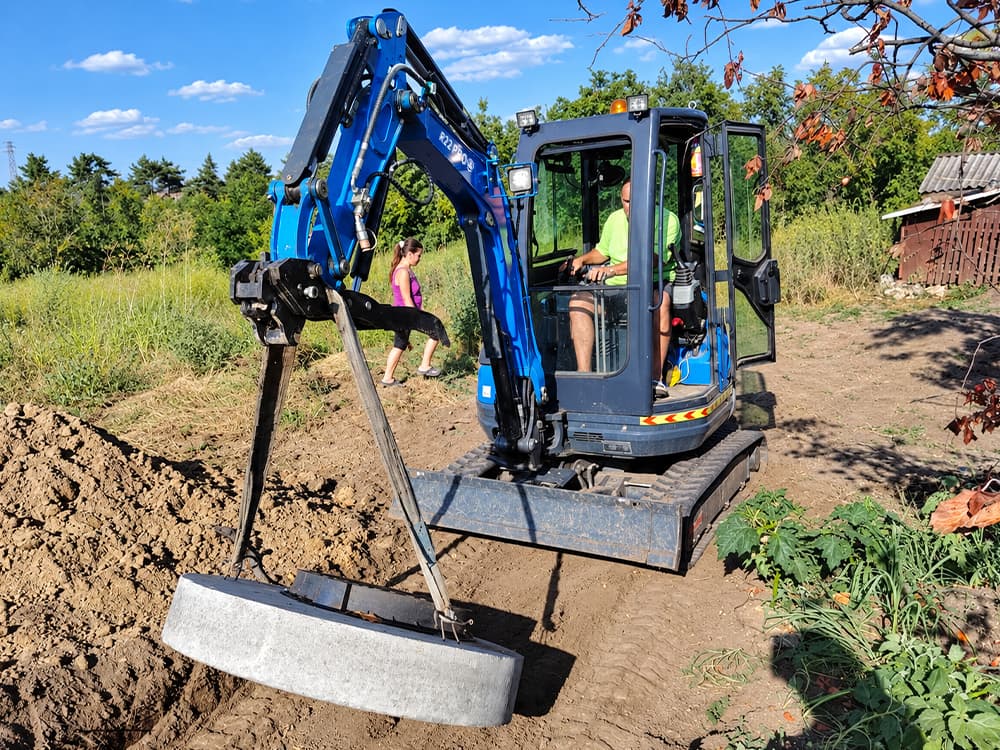
Frequently Asked Questions
1. Can I buy mini excavators wholesale directly from China?
Yes. International buyers can contact Chinese manufacturers and suppliers to discuss wholesale purchasing. Before ordering, verify the supplier's business background, product information, order requirements, and export arrangements.
2. What is the minimum order quantity for wholesale mini excavators?
Minimum order quantities vary between suppliers. Some may accept individual machine orders, while others may have specific requirements for bulk purchases or mixed-model orders. Buyers should confirm the conditions directly with the supplier.
3. How do I find a wholesale mini excavator supplier?
Search for manufacturers and suppliers with clear business information, relevant product categories, export experience, and transparent purchasing procedures. Request product documentation and compare quotations based on equivalent requirements.
4. Is buying mini excavators in bulk cheaper?
Bulk orders may offer different commercial conditions depending on the supplier, order quantity, product selection, and shipping arrangements. Buyers should compare the complete landed cost rather than assuming that a larger order always provides a lower overall cost.
5. What should I check before importing wholesale mini excavators?
Check the supplier's background, product configuration, quotation details, minimum order requirements, shipping arrangements, customs documentation, local compliance requirements, and parts support procedures.
6. Can equipment dealers cooperate with Chinese mini excavator manufacturers?
Yes. Many manufacturers work with international importers and distributors. Dealers should discuss their target market, product interests, expected purchasing plans, and any applicable distribution conditions before starting cooperation.
Final Thoughts
Wholesale mini excavator purchasing requires a clear understanding of supplier capabilities, local market demand, product selection, and total importing costs.
For equipment dealers and distributors, the goal should not simply be to find the lowest quotation. It should be to establish a purchasing relationship that supports customer demand, manageable inventory, and future business development.
By comparing suppliers carefully and confirming commercial terms before ordering, international buyers can make more informed decisions when sourcing mini excavators from China.