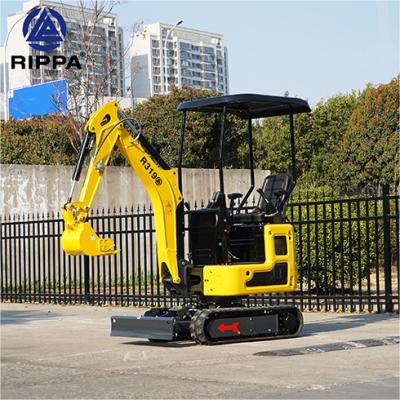
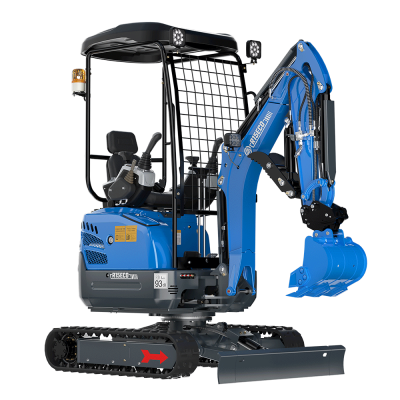
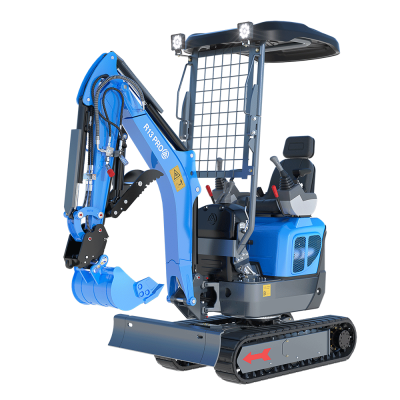
Mini Excavator Dealer: How to Build a Construction Equipment Business
Becoming a mini excavator dealer can be an opportunity for construction equipment businesses looking to expand their product range and reach more customers. As compact machinery is used in landscaping, agriculture, residential construction, and property maintenance, dealers can serve customers with different equipment requirements.
However, building a successful mini excavator dealership involves more than finding a supplier and listing products for sale. Dealers need to understand local market demand, select suitable machinery, develop reliable supplier relationships, and provide customers with clear purchasing information.
Whether you already operate a construction equipment business or are planning to enter the compact machinery market, this guide explains how to approach the mini excavator dealership business.
1. Why Add Mini Excavators to Your Construction Equipment Business?
Mini excavators serve a range of applications that may not require larger construction machinery. This creates opportunities for equipment dealers to reach customers working on smaller projects or in restricted spaces.
Serve Different Customer Groups
Potential customers for mini excavators include:
Landscaping and gardening contractors
Agricultural businesses
Residential construction companies
Property maintenance operators
Utility and drainage contractors
Small construction companies
These customer groups may have different purchasing requirements. A dealer with a suitable product range can respond to a wider variety of inquiries.
Expand Your Existing Product Portfolio
Businesses already selling construction equipment may consider adding mini excavators as a complementary product category.
For example, a dealer offering loaders, skid steer loaders, or other machinery may also serve customers who need compact excavation equipment.
Expanding the product range can create additional sales opportunities while allowing the business to work with existing customer relationships.
Reach Customers with Different Project Requirements
Compact excavators are used for digging, trenching, landscaping preparation, drainage work, and other tasks.
Some customers prioritize equipment for residential properties and restricted access areas, while others need machinery for agricultural or general construction applications.
Understanding these differences helps dealers recommend products based on actual working requirements.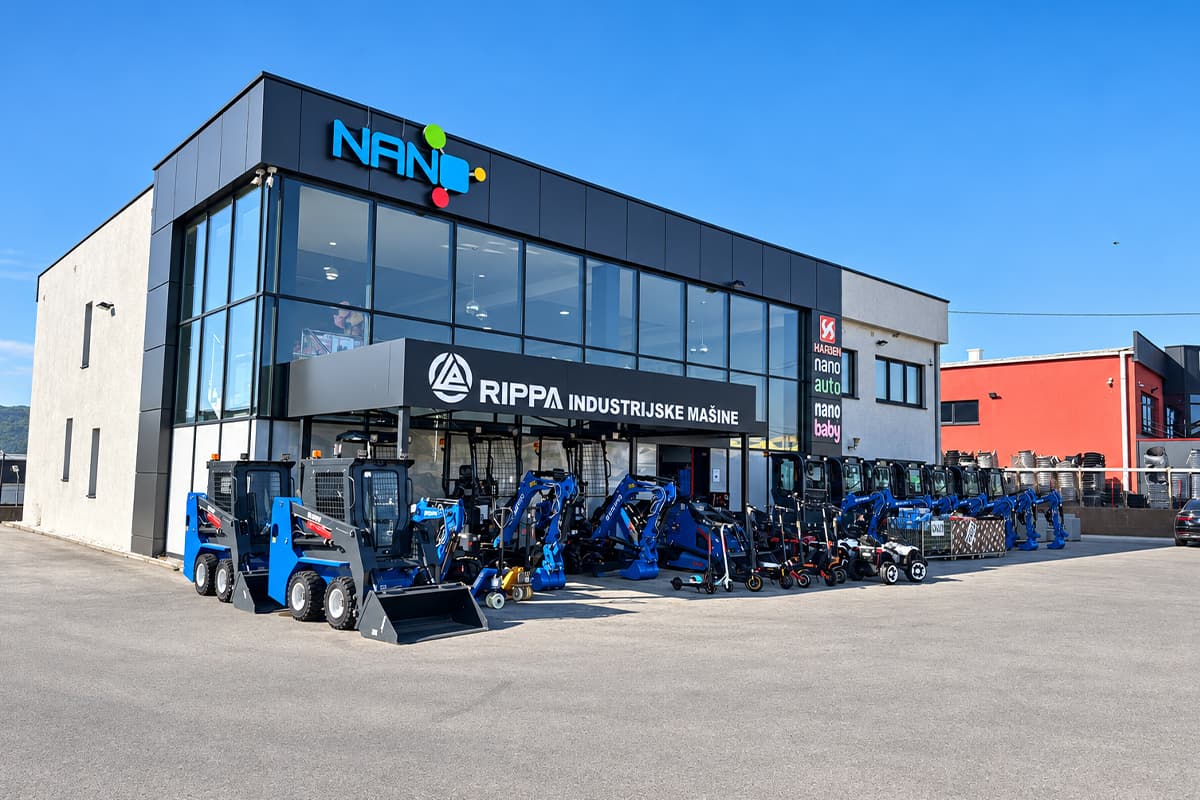
2. How to Become a Mini Excavator Dealer
Starting a mini excavator dealership requires preparation in several areas, from market research to supplier selection.
Research Your Local Market
Before contacting manufacturers, identify the potential demand in your target region.
Consider:
Which industries regularly use compact excavators?
Are local contractors purchasing or importing machinery?
Which equipment brands already serve the market?
What product categories are missing from existing dealerships?
What are customers' common purchasing concerns?
You can gather useful information through customer interviews, competitor research, industry directories, and existing sales inquiries.
Define Your Business Model
A mini excavator dealer can operate in different ways depending on its resources and target customers.
Possible business models include:
Local equipment dealership: Sell machinery directly to contractors, farmers, landscaping businesses, and other end users.
Machinery import and distribution: Import equipment from manufacturers and supply local dealers or business customers.
Multi-category construction equipment supplier: Combine mini excavators with loaders, skid steer loaders, and other machinery to serve different customer needs.
Choose a model that matches your existing customer base, sales channels, and available resources.
Prepare Your Sales Channels
A dealership needs a practical way to reach potential customers.
Common channels include:
A company website with product information
Search engine optimization
Google search advertising
Industry exhibitions and trade events
Local business partnerships
Existing customer referrals
Social media and machinery industry communities
For B2B dealers, a professional website and clear product information can help potential buyers understand what the business offers before contacting the sales team.
3. How to Choose the Right Mini Excavator Manufacturer or Supplier
Supplier selection affects product availability, purchasing communication, and the long-term development of a dealership.
Dealers should evaluate potential suppliers before committing to a business relationship.
Verify the Supplier's Business Background
Check whether the company is an actual manufacturer, distributor, or trading company.
Review its official website, company information, product portfolio, and manufacturing background.
If the supplier claims to operate its own factory, request relevant information about its production operations.
Evaluate the Product Portfolio
A suitable supplier should offer products that match your target customers and local market.
Consider whether the available machinery covers the applications you intend to serve.
Also review product configurations, attachment options, product documentation, and the consistency of the information provided.
Understand the Supplier's Export Experience
If you are importing equipment, ask whether the supplier has experience with international orders and your destination market.
Clarify shipping arrangements, export documentation, packaging procedures, and delivery responsibilities.
Check Parts and Technical Communication
A dealership may need to answer customer questions after equipment has been delivered.
Before choosing a supplier, understand how parts are identified and ordered, how technical inquiries are handled, and which communication channels are available.
Do not rely on general statements. Ask for specific information about the support arrangements included in the proposed cooperation.
4. Which Mini Excavators Should a Dealer Include in Its Product Range?
The right product range depends on local demand, customer applications, and the supplier's available products.
Rather than selecting machinery based only on popularity, dealers should consider the jobs their customers need to complete.
Compact Excavators for Landscaping
Landscaping businesses may need compact machinery for garden preparation, soil removal, trenching, and outdoor property improvements.
When evaluating products for this customer group, consider working access, machine dimensions, transportation, and available attachments.
Mini Excavators for Agricultural Applications
Agricultural customers may use compact excavators for drainage, ditch maintenance, small excavation projects, and general land improvement.
Dealers should understand the local terrain and typical working conditions before selecting suitable product options.
Mini Excavators for Construction Contractors
Small construction companies may require equipment for foundation preparation, utility trenching, and residential construction.
Product selection should reflect the contractor's workload, operating environment, and equipment requirements.
Build a Balanced Product Portfolio
A dealership does not necessarily need to offer every available machine category.
Start with products that match the strongest local demand. Expand the portfolio as customer inquiries, sales performance, and market research provide a clearer picture of purchasing needs.
5. How Can Mini Excavator Dealers Attract More Customers?
A dealership needs a consistent approach to generating inquiries and converting them into sales.
Create Useful Product Pages
Each product page should provide clear and accurate information.
Useful content may include:
Product overview
Main applications
Available configurations
Attachment options
Product photographs
Operating documentation
Contact information for quotations
Avoid using generic descriptions for every machine. Customers need to understand how different products relate to their actual requirements.
Target Local Search Keywords
Search engine optimization can help equipment dealers reach people actively looking for machinery.
Keyword opportunities may include:
Mini excavator dealer
Mini excavator distributor
Mini excavator supplier
Mini excavator for sale
Construction equipment dealer
Mini excavator sales
Local businesses can also develop location-specific pages where they have genuine business coverage, product availability, and relevant customer information.
Use Industry Exhibitions and Business Networks
Construction machinery exhibitions provide opportunities to meet contractors, importers, distributors, and potential business partners.
Dealers can also build relationships through local construction associations, agricultural networks, and industry communities.
Respond to Inquiries Professionally
A potential buyer may contact several suppliers before making a decision.
Dealers should respond with relevant product information, accurate quotations, and clear answers about purchasing conditions.
Understanding the customer's application and requirements is more useful than sending the same product description to every inquiry.
6. What Should a Mini Excavator Dealer Know About Inventory and Business Costs?
Inventory planning is important for businesses selling physical machinery.
Before purchasing equipment, dealers should understand the financial and operational commitments involved.
Estimate Local Demand
Use customer inquiries, previous sales, competitor research, and local construction activity to estimate potential demand.
Avoid building inventory based only on assumptions about which products will sell.
Understand the Complete Cost Structure
A dealership's costs may include:
Equipment purchasing costs
International shipping
Customs duties and taxes
Port handling and inland transportation
Warehousing and storage
Marketing and advertising
Sales operations
Parts inventory and customer support
The actual cost structure depends on the dealership's location and operating model.
Monitor Sales and Inventory Performance
Regularly review the number of inquiries, quotations, confirmed orders, and remaining inventory for each product category.
These indicators help dealers understand which products attract customer interest and where purchasing adjustments may be needed.
7. How to Build a Long-Term Relationship with a Mini Excavator Supplier
A strong supplier relationship can support the development of a dealership beyond its first purchase.
Discuss Your Target Market
When contacting a manufacturer, explain your business background, target country or region, customer groups, and product interests.
This helps both parties determine whether their business objectives are compatible.
Confirm Dealer Cooperation Conditions
Before entering a distribution relationship, clarify:
Product categories available for cooperation
Purchasing requirements
Quotation and payment procedures
Shipping arrangements
Parts ordering procedures
Marketing materials and product information
Any territory or distribution conditions
If a supplier offers territory protection or other dealer benefits, request the exact terms in writing.
Establish a Clear Communication Process
Discuss how product questions, order updates, parts inquiries, and future purchasing requests will be handled.
Clear communication makes it easier to coordinate international business activities and maintain a consistent customer experience.
8. Explore Mini Excavator Dealer Opportunities with RIPPA
RIPPA is a Chinese construction machinery brand headquartered in Jining, Shandong, China.
Its product portfolio includes mini excavators, larger excavators, loaders, skid steer loaders, backhoes, and other construction machinery.
For international equipment dealers and distributors, RIPPA offers an opportunity to explore a broader construction machinery product range through one brand.
Potential cooperation discussions can include:
Mini excavator product categories
Additional construction machinery options
Wholesale purchasing requirements
International shipping arrangements
Product information and marketing materials
Parts ordering and technical communication
Dealer and distributor cooperation
The specific cooperation model, commercial conditions, and any applicable distribution arrangements should be confirmed directly with the RIPPA team.
If you operate a construction equipment business or are planning to become a mini excavator dealer, contact RIPPA to discuss your target market and potential cooperation opportunities.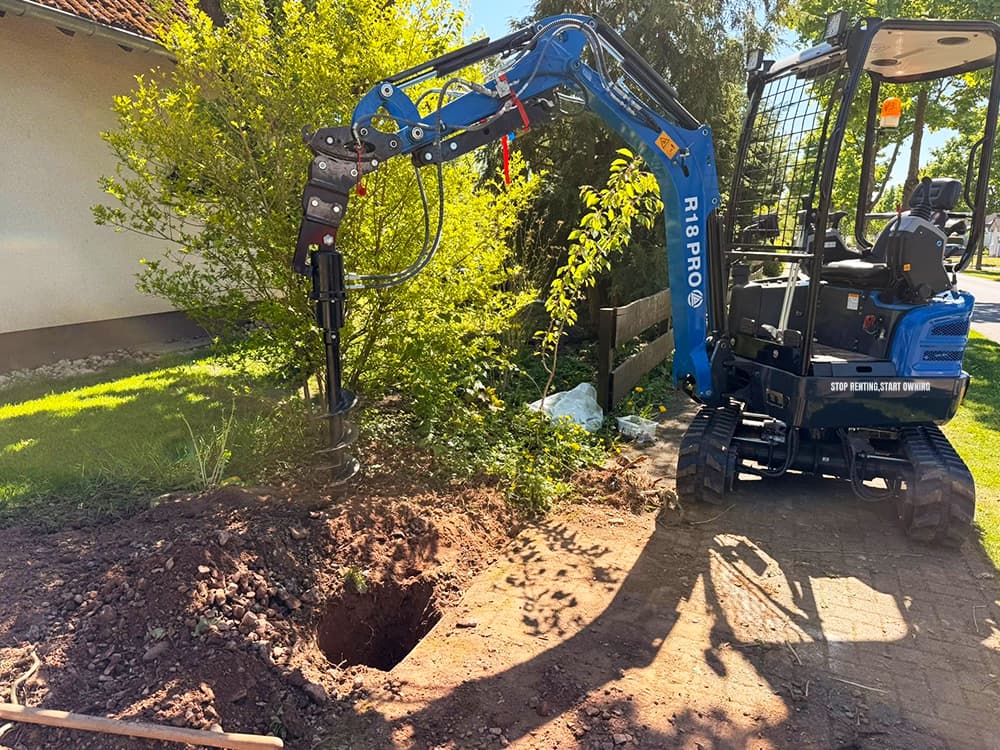
Frequently Asked Questions
1. How do I become a mini excavator dealer?
Start by researching your local market, identifying potential customers, selecting a suitable business model, and finding reliable machinery suppliers. You should also prepare sales channels and understand inventory, importing, and customer support requirements.
2. How do I find a mini excavator distributor or manufacturer?
Search for companies with clear business information, relevant product categories, manufacturing or distribution experience, and transparent purchasing procedures. Verify their business background before entering a cooperation agreement.
3. Is a mini excavator dealership suitable for an existing construction equipment business?
It can be a suitable product expansion for businesses already serving contractors, farmers, landscapers, and other machinery buyers. The opportunity depends on local demand, competition, supplier arrangements, and available business resources.
4. What should I look for in a mini excavator supplier?
Evaluate the supplier's business background, product range, manufacturing capabilities, export experience, quotation process, parts arrangements, and communication quality. Confirm all important commercial conditions before placing an order.
5. Can I become a dealer for a Chinese mini excavator manufacturer?
International buyers can contact Chinese manufacturers to discuss dealer or distributor cooperation. Specific requirements, market arrangements, and commercial conditions vary by supplier and should be confirmed directly.
6. How can mini excavator dealers generate more sales?
Dealers can improve their visibility through product-focused websites, search engine optimization, local advertising, industry exhibitions, customer referrals, and professional inquiry management. Clear product information and responsive communication also help support purchasing decisions.
7. Should a mini excavator dealer keep inventory?
Inventory decisions depend on customer demand, purchasing costs, storage capacity, delivery arrangements, and available capital. Some businesses maintain local inventory, while others organize purchases based on confirmed customer orders.
Final Thoughts
Building a mini excavator dealership requires more than finding a machinery supplier. Dealers need to understand their local customers, select suitable products, develop sales channels, and establish clear purchasing and support arrangements.
For businesses already operating in the construction equipment market, adding mini excavators may provide an opportunity to serve additional applications and expand their product portfolio.
By choosing suppliers carefully and developing a practical business plan, equipment dealers can build a stronger foundation for long-term growth.
RIPPA welcomes inquiries from international equipment dealers, importers, and distributors interested in discussing construction machinery cooperation.