How to Build a Construction Equipment Dealer Product Line
A construction equipment dealer needs more than a list of machines to build a competitive business. The product line should reflect local customer demand, purchasing budgets, common job requirements and the dealer's ability to provide support.
A poorly planned range can tie up working capital in slow-moving equipment. A carefully selected portfolio can help a distributor serve different customer groups while creating opportunities for repeat purchases.
1. Identify the Customers You Want to Serve
Start by defining your main customer groups. Different buyers have different equipment requirements.
For example:
Landscaping contractors may look for compact excavators and small loaders.
Agricultural businesses may need machinery for farm maintenance and material handling.
Construction contractors may require excavators and loaders for site work.
Equipment rental companies may evaluate machines based on utilization, maintenance and fleet requirements.
Machinery resellers may look for products that complement their existing catalog.
The purpose of customer segmentation is not to offer every machine to every buyer. It is to identify which equipment categories are relevant to your existing customer base.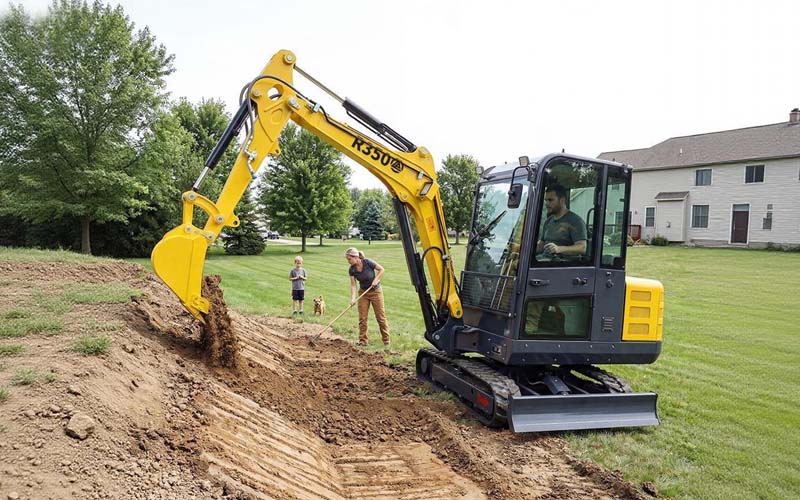
2. Build a Product Range Around Different Job Requirements
A dealer can organize its product portfolio by application instead of simply listing models.
For example, a compact equipment portfolio may include:
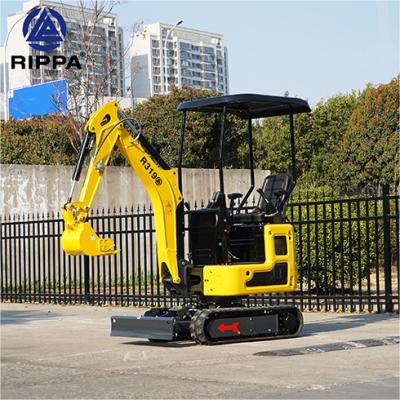
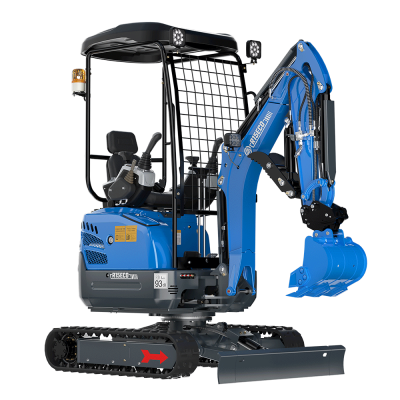
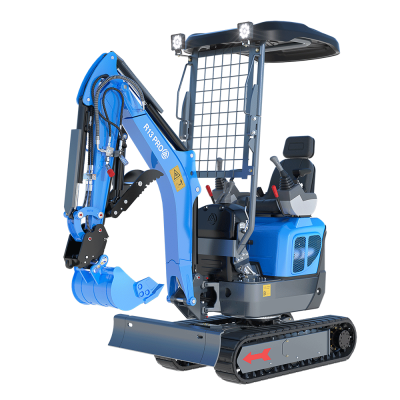
Mini excavators for smaller excavation projects
Larger excavators for more demanding earthmoving work
Skid steer loaders for compact sites and attachment-based tasks
Wheel loaders for suitable material-handling applications
Backhoe loaders for customers who need combined digging and loading functions
Each category serves a different purpose. The dealer should be able to explain the main application, operating environment and customer profile for each machine.
Avoid expanding into a category before understanding its market demand and support requirements.
3. Offer Options for Different Customer Budgets
Customers in the same market may have very different purchasing budgets. Some may prioritize an entry-level machine for occasional work, while others may need equipment for regular commercial operation.
A dealer can evaluate its range across several purchasing segments:
Entry-level demand: Customers seeking a practical machine for limited or occasional applications.
Professional contractor demand: Customers who need equipment for recurring commercial projects.
Fleet and business buyers: Customers evaluating multiple machines, standardized configurations and ongoing supply arrangements.
The actual product categories and configurations should be selected according to local demand and the manufacturer's confirmed offerings.
4. Balance Product Variety with Inventory Risk
A large product catalog can attract attention, but holding too many machines in stock can increase financial pressure.
Before adding a new model, consider:
How often customers request this category
Whether the machine serves an existing customer group
How easily the product can be demonstrated
Whether spare parts and service information are available
Whether the dealer can explain its applications
How much capital will be tied up in inventory
Dealers can begin with a focused range and expand after collecting customer feedback and sales data.
5. Consider Attachments and Related Products
Attachments can create additional sales opportunities and help customers use equipment for different tasks.
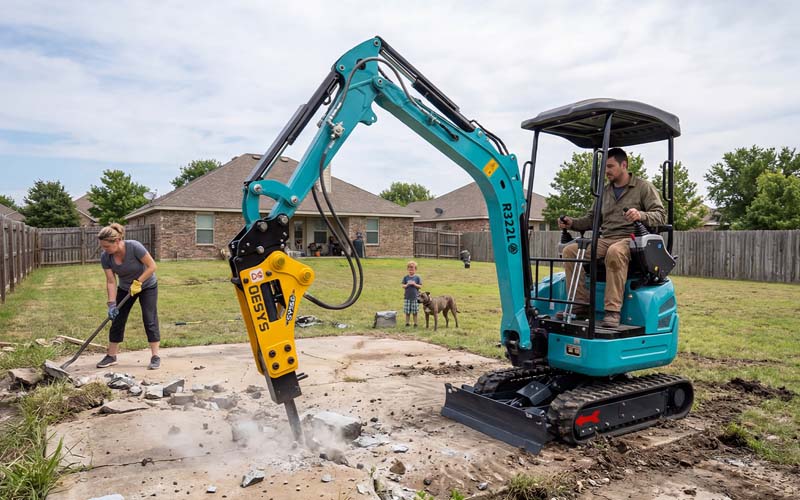
Depending on machine compatibility, relevant products may include buckets, hydraulic breakers, augers, grapples and other specialized tools.
However, attachment selection should be based on actual customer requirements. Before offering a tool, verify its mounting interface, hydraulic requirements and compatibility with the machine configuration.
A dealer should also prepare clear information explaining which attachments are suitable for which applications.
6. Make After-Sales Capability Part of Product Planning
Product selection and after-sales preparation should be planned together.
Before introducing a new equipment category, determine:
What routine maintenance is required
Which components are commonly replaced
How parts are identified and ordered
What technical information is available
Whether local technicians can support the equipment
How customer questions will be handled
A product category may look attractive commercially but become difficult to manage if the dealer cannot support customers after delivery.
7. Review Product Performance Regularly
A dealer's product line should not remain unchanged indefinitely. Review sales inquiries, quotations, completed orders and customer feedback on a regular schedule.
Useful questions include:
Which categories generate the most qualified inquiries?
Which machines receive quotations but rarely convert?
What applications do customers request most often?
Which products lead to repeat purchases?
Are there categories with high support requirements?
Which products complement existing customer purchases?
Use actual business records rather than assumptions when deciding whether to expand or reduce a product category.
Frequently Asked Questions
How many equipment categories should a new dealer offer?
There is no universal number. A new dealer should begin with categories that match its customer base, market knowledge and support capacity.
Should a construction equipment dealer focus on one brand?
That depends on the market, supplier arrangements and business strategy. Dealers should evaluate product coverage, supply reliability, commercial terms and customer expectations.
Why are attachments important to equipment dealers?
Compatible attachments can help customers complete more tasks and may create additional sales opportunities. Compatibility must be verified for each machine.
How often should a dealer review its product range?
Review performance regularly using inquiry, quotation, sales and customer feedback data. The review frequency should reflect the dealer's sales cycle and inventory level.
Expand Your Equipment Product Range with RIPPA
RIPPA supplies construction machinery for international markets, including excavators and loading equipment. Equipment dealers and distributors can share their current product range, target customer groups and market requirements with RIPPA to discuss potential product cooperation.