How Equipment Dealers Choose a Chinese Machinery Manufacturer
Choosing a Chinese machinery manufacturer is an important decision for equipment dealers planning to expand their product range or develop a new supply channel. A competitive purchase price matters, but it is not enough to build a sustainable dealership business.
Dealers also need to evaluate product consistency, manufacturing capability, export experience, communication efficiency, spare parts arrangements and the manufacturer's approach to long-term cooperation.
This guide explains what distributors and machinery importers should review before selecting a Chinese equipment supplier.
1. Check Whether the Product Range Matches Your Market
Before contacting a manufacturer, identify the equipment categories your customers regularly request.
A dealer serving landscaping contractors may focus on compact excavators and small loaders. A distributor serving construction companies may need a broader range of excavators, wheel loaders and other machinery.
Review the manufacturer's product portfolio and consider:
Whether the product categories match local demand
Whether there are options for different customer groups
Whether the manufacturer can provide clear product documentation
Whether the available models fit your market's typical applications
Whether the product range supports future business expansion
A broad catalog is not automatically an advantage. Dealers should prioritize products they can explain, demonstrate, sell and support in their own market.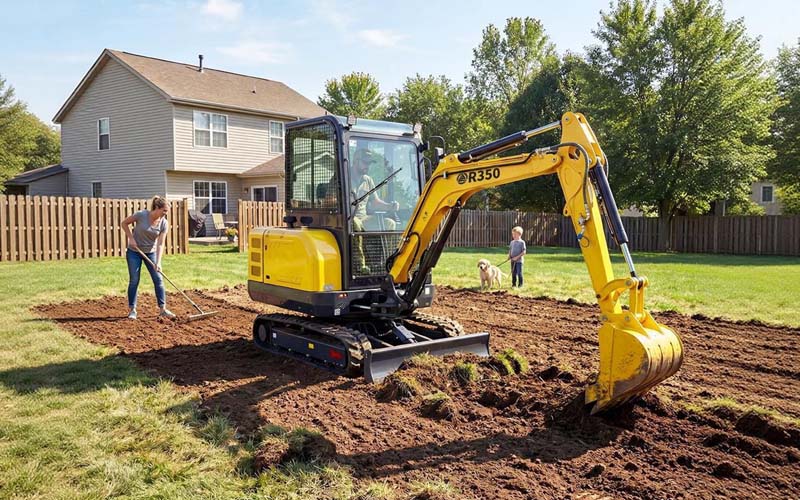
2. Evaluate the Manufacturer's Factory and Production Capability
A machinery dealer should understand who actually manufactures the equipment being offered.
When evaluating a supplier, ask about its factory, production process, quality inspection procedures and model configuration management. If possible, arrange a factory visit or request a live video walkthrough.
Important questions include:
Does the company manufacture the equipment or mainly trade products from other suppliers?
What production and inspection procedures are used?
Can the supplier explain how product configurations are controlled?
Are product specifications and documents available for review?
How does the manufacturer handle product feedback and quality issues?
The objective is to establish a clear understanding of the supplier's manufacturing operation rather than relying only on catalog descriptions.
3. Review Export Experience and Communication
International equipment distribution involves more than manufacturing. Orders may require product confirmation, export documentation, shipping coordination and communication across different time zones.
Dealers should evaluate whether a manufacturer can provide clear answers about:
Export documents required for the destination market
Product configuration and order confirmation
Packaging and shipping arrangements
Payment terms and order procedures
Communication during production and delivery
Ask the supplier to explain the responsibilities of each party. Clear communication before the first order can reduce misunderstandings later.
4. Understand Spare Parts and Technical Support Arrangements
After-sales planning is a major consideration for machinery distributors. A dealer needs to understand how replacement parts are identified, ordered and supplied.
Before cooperation, ask:
Is there a parts catalog or parts identification process?
How are parts orders submitted?
What information is needed to identify the correct component?
Are technical documents available?
How are product questions and reported issues handled?
Do not assume that every manufacturer offers the same service arrangement. Confirm the actual process, responsibilities and terms for your country before making commitments to customers.
5. Compare the Complete Cost of Cooperation
The lowest factory quotation does not always produce the best business result. Dealers should calculate the complete cost of importing and selling the equipment.
Consider the following:
Machine purchase price
Freight and insurance
Customs duties and import taxes
Port and inland transportation
Local compliance requirements
Spare parts and service preparation
Marketing and demonstration expenses
A realistic cost calculation helps distributors set retail prices and estimate their potential margins. It also makes it easier to compare different manufacturers on an equal basis.
6. Clarify Dealer Cooperation Terms
Before placing a wholesale order, discuss the commercial relationship in detail.
Questions should cover territory arrangements, order quantities, product pricing, payment conditions, marketing materials, warranty responsibilities and customer service procedures.
If a manufacturer offers territory protection or other dealer benefits, request the applicable conditions in writing. Availability and terms may vary by market and agreement.
A clear agreement protects both sides and gives the dealer a more reliable foundation for developing the local business.
7. Prepare Before Contacting a Manufacturer
A professional dealer inquiry should provide enough information for the manufacturer to assess the opportunity.
Prepare:
Company name and website
Country and target sales region
Main customer groups
Current equipment categories
Distribution or service experience
Product categories of interest
Estimated purchasing plans, if available
Specific information usually leads to a more useful discussion than a general message asking for a price list.
Frequently Asked Questions
What should equipment dealers look for in a Chinese manufacturer?
Dealers should review factory capability, product range, quality procedures, export experience, spare parts arrangements, communication and commercial terms.
Is buying directly from a factory always better?
Not automatically. Direct purchasing may simplify communication with the manufacturer, but dealers still need to evaluate product suitability, import costs, support arrangements and order terms.
What documents should a machinery dealer request?
The required documents depend on the equipment and destination market. Dealers should request product specifications, manuals, applicable conformity documents and export documentation relevant to the transaction.
Should a dealer order before checking the supplier?
It is better to verify the supplier, confirm the machine configuration and clarify commercial terms before placing an order.
Discuss Dealer Supply Opportunities with RIPPA
RIPPA Group supplies construction machinery to international markets. Dealers, importers and equipment distributors interested in excavators, loaders and related machinery can contact the RIPPA team with their company profile, target market and product requirements to discuss potential cooperation.